Support our educational content for free when you purchase through links on our site. Learn more
What Is the Difference Between MMA and Traditional Martial Arts? 🥋🥊 (2025)

Ever wondered why MMA gyms are packed with fighters while traditional dojos still thrive worldwide? Or why some swear by ancient martial arts while others swear at their MMA coaches after a tough sparring session? The truth is, MMA and traditional martial arts are like two sides of the same coin—both rooted in combat but shaped by vastly different goals, training methods, and philosophies.
In this article, we’ll unravel the fascinating contrasts and surprising overlaps between these two worlds. From the evolution of fighting styles and training intensity to the mental game and real-world effectiveness, we’ve got you covered. Plus, we’ll explore whether traditional martial arts need to “worry” about MMA’s rise and how cross-training is changing the game. Ready to find out which path suits you best? Keep reading—your perfect martial arts match might be just a scroll away!
Key Takeaways
- MMA is a modern, hybrid combat sport focused on practical fighting skills, blending striking, grappling, and conditioning for real-world effectiveness.
- Traditional martial arts emphasize discipline, philosophy, and cultural heritage, often featuring structured forms, rituals, and character development.
- Training styles differ significantly: MMA involves full-contact sparring and intense conditioning, while traditional arts often use controlled sparring and kata practice.
- Competition rules shape techniques and training intensity, with MMA offering continuous, high-pressure bouts versus point-based or demonstration formats in traditional arts.
- Cross-training is the future: Many practitioners combine MMA’s practicality with traditional arts’ mental and spiritual benefits for a balanced approach.
- Choosing between MMA and traditional martial arts depends on your goals, personality, and interests—there’s no one-size-fits-all answer.
Curious about the gear and training resources that can help you excel in either discipline? We’ve got recommendations coming up later in the article!
Table of Contents
- ⚡️ Quick Tips and Facts About MMA vs Traditional Martial Arts
- 🥋 The Evolution and Origins: Tracing the Roots of MMA and Traditional Martial Arts
- 🥊 1. Defining MMA: What Makes Mixed Martial Arts Unique?
- 🛡️ 2. What Are Traditional Martial Arts? Exploring Styles, Philosophy, and Culture
- ⚔️ 3. Techniques and Training Differences: Striking, Grappling, and Conditioning
- 🧠 4. Mental Approach and Philosophy: Combat Mindset vs. Discipline and Spirituality
- 🏆 5. Competition and Rules: How MMA and Traditional Martial Arts Differ in the Ring
- 💥 6. Effectiveness in Real-World Self-Defense: What Works When It Counts?
- 🧩 7. Cross-Training and Hybrid Styles: The Rise of MMA Influence on Traditional Arts
- 🤔 8. Do Traditional Martial Arts Need to “Worry” About MMA? Perspectives and Predictions
- 🔍 9. Reflections on Tai Chi, Xing Yi, Brazilian Jiu-Jitsu, and Martial Arts Studies
- 🎯 10. Choosing Your Path: How to Decide Between MMA and Traditional Martial Arts
- 📚 Recommended Gear and Training Resources for MMA and Traditional Martial Arts
- 📝 Conclusion: Bridging the Gap Between MMA and Traditional Martial Arts
- 🔗 Recommended Links for Further Exploration
- ❓ FAQ: Your Burning Questions About MMA vs Traditional Martial Arts Answered
- 📖 Reference Links and Credible Sources
⚡️ Quick Tips and Facts About MMA vs Traditional Martial Arts
Before we dive deep into the octagon of knowledge, here’s a quick knockout round of key facts to get you warmed up:
| Aspect | MMA | Traditional Martial Arts |
|---|---|---|
| Primary Focus | Combat effectiveness & sport | Discipline, philosophy, self-improvement |
| Techniques | Hybrid: striking, grappling, wrestling | Style-specific: forms, strikes, blocks |
| Training Style | Full-contact sparring, conditioning | Kata/forms, drills, controlled sparring |
| Competition Rules | Unified rules, weight classes, time limits | Varies widely; often point-based or demonstration |
| Philosophy | Winning the fight, adaptability | Respect, honor, spiritual growth |
| Self-Defense Practicality | High, tested under pressure | Varies; some techniques outdated |
| Cultural Roots | Modern, global fusion | Deep historical and cultural lineage |
| Typical Gear | MMA gloves, shorts, mouthguard | Gi, belts, pads depending on style |
✅ MMA is the ultimate hybrid warrior’s playground.
❌ Traditional arts sometimes get a bad rap for being “less practical,” but that’s not the whole story!
Want to know why this is just the tip of the iceberg? Keep reading — we’ll unpack every jab, hook, and philosophical jab in this epic showdown.
🥋 The Evolution and Origins: Tracing the Roots of MMA and Traditional Martial Arts
To understand the difference, you gotta know the backstory. Martial arts didn’t just pop out of nowhere like a surprise spinning back kick!
Traditional Martial Arts: Ancient Wisdom and Culture
Traditional martial arts are like the family heirlooms of combat — passed down through generations with rich cultural significance. Styles like Karate, Taekwondo, Kung Fu, Judo, and Aikido have roots stretching back hundreds, sometimes thousands, of years. They often blend combat skills with philosophy, spirituality, and social values.
- Example: Shotokan Karate emphasizes kata (forms) and discipline, reflecting centuries of Japanese warrior culture.
- Philosophy: Many traditional arts teach bushido (the way of the warrior), respect, and self-control.
MMA: The Modern Gladiator’s Playground
Mixed Martial Arts is the new kid on the block, born from the desire to find out which fighting style truly works in a no-holds-barred environment. The modern MMA era kicked off with the first UFC event in 1993, where fighters from different disciplines clashed to see who would reign supreme.
- MMA is a melting pot: Brazilian Jiu-Jitsu, Muay Thai, wrestling, boxing, judo — all combined.
- It’s about practicality and adaptability, constantly evolving as fighters learn what works best in real combat.
Want the full MMA origin story? Check out our detailed MMA History section.
🥊 1. Defining MMA: What Makes Mixed Martial Arts Unique?
MMA is like the Swiss Army knife of fighting — versatile, efficient, and deadly when wielded correctly.
What Exactly Is MMA?
- Mixed Martial Arts (MMA) is a full-contact combat sport that allows a wide range of fighting techniques from various martial arts.
- Fighters can strike standing up or grapple on the ground.
- Matches are held inside a cage or ring, with rules designed to protect fighters but still allow intense competition.
Core Elements of MMA
| Element | Description |
|---|---|
| Striking | Punches, kicks, knees, elbows (from boxing, Muay Thai, kickboxing) |
| Grappling | Takedowns, submissions, ground control (from wrestling, BJJ, judo) |
| Conditioning | High-level cardio, strength, and endurance training |
| Strategy | Fight IQ, adapting to opponent’s style mid-fight |
Why MMA Stands Out
- Realistic combat scenarios: Fighters train to handle all ranges of fighting.
- Continuous evolution: Techniques evolve as fighters innovate or adapt.
- Sport and spectacle: MMA blends athleticism with entertainment, attracting millions worldwide.
Curious about the gear pros use? We recommend brands like Venum, Hayabusa, and Everlast for gloves and training equipment.
👉 Shop MMA gear on:
🛡️ 2. What Are Traditional Martial Arts? Exploring Styles, Philosophy, and Culture
Traditional martial arts are like a finely brewed tea — steeped in history, ritual, and subtlety.
Popular Traditional Martial Arts Styles
- Karate: Focus on striking, kata, and discipline.
- Taekwondo: Olympic sport emphasizing high kicks and fast strikes.
- Kung Fu: Diverse Chinese styles with fluid movements and animal-inspired techniques.
- Aikido: Defensive art focusing on redirecting opponent’s energy.
- Judo: Throws and grappling, Olympic sport with a focus on leverage.
Philosophy and Culture
- Discipline and respect: Bowing, rituals, and hierarchy are common.
- Spiritual growth: Many arts incorporate meditation and self-reflection.
- Character building: Emphasis on humility, patience, and perseverance.
Training Methods
- Kata/forms: Pre-arranged sequences to practice technique and flow.
- Controlled sparring: Light contact to develop timing and control.
- Breaking boards: Demonstrates power and focus (common in Karate and Taekwondo).
Pros and Cons
| Pros | Cons |
|---|---|
| Builds character and mental discipline | Some techniques may be outdated for real combat |
| Preserves cultural heritage | Less emphasis on full-contact sparring |
| Great for fitness and coordination | Progression can be slow and rigid |
Want to explore more about the philosophy behind these arts? Visit our Mixed Martial Arts Philosophy section.
⚔️ 3. Techniques and Training Differences: Striking, Grappling, and Conditioning
Here’s where the rubber meets the mat — or the fist meets the face!
Striking: Precision vs. Power
- Traditional arts: Emphasize precise, often linear strikes with set forms.
- MMA: Combines boxing punches, Muay Thai kicks/elbows, and unorthodox strikes adapted for effectiveness.
Grappling: Forms vs. Function
- Traditional arts: Judo and wrestling focus on throws and pins; BJJ (though modern) has traditional roots with a heavy emphasis on submissions.
- MMA: Grappling is fluid, blending wrestling takedowns with BJJ submissions and ground-and-pound.
Conditioning and Sparring
| Training Aspect | MMA Approach | Traditional Martial Arts Approach |
|---|---|---|
| Sparring | Full-contact, realistic scenarios | Often light-contact or no-contact |
| Conditioning | High-intensity interval training, strength, endurance | Focus on forms, flexibility, and stamina |
| Drills | Situational drills, cage work | Kata, partner drills, repetitive strikes |
Personal Anecdote from MMA Ninja™
“When I first transitioned from traditional Karate to MMA, the biggest shock was the intensity of sparring. In Karate, we drilled forms and light sparring; in MMA, you’re getting hit and hitting back full force. It’s a whole new level of conditioning and mental toughness.” — Sensei Alex, MMA Ninja™
🧠 4. Mental Approach and Philosophy: Combat Mindset vs. Discipline and Spirituality
Martial arts aren’t just about muscles and moves — the mind is the ultimate weapon.
MMA’s Mental Game
- Goal-oriented: Win the fight, adapt quickly, exploit weaknesses.
- Competitive mindset: High pressure, strategic thinking, resilience under stress.
- No-nonsense: Focus on what works, discard fluff.
Traditional Martial Arts Philosophy
- Self-improvement: Martial arts as a lifelong journey.
- Respect and humility: Bowing, rituals, and etiquette.
- Spiritual balance: Meditation, breathing, and inner peace.
Bridging the Gap
Interestingly, many MMA fighters adopt meditation and visualization techniques from traditional arts to improve focus and calm nerves. Conversely, some traditional schools are incorporating realistic sparring to boost effectiveness.
🏆 5. Competition and Rules: How MMA and Traditional Martial Arts Differ in the Ring
Competition formats shape how martial arts evolve — rules matter!
MMA Competition
- Unified Rules: Weight classes, rounds, time limits, fouls (no eye gouging, biting, etc.).
- Full contact: Striking and grappling allowed.
- Cage environment: Prevents fighters from falling out, adds strategic elements.
Traditional Martial Arts Competition
- Varied rules: Point sparring (Karate, Taekwondo), forms competitions, breaking demonstrations.
- Limited contact: Often controlled or light contact to prevent injury.
- Emphasis on technique: Points awarded for clean, precise strikes or forms.
How This Affects Training
MMA fighters train for continuous, high-intensity combat, while traditional martial artists often train for precision and form to score points.
💥 6. Effectiveness in Real-World Self-Defense: What Works When It Counts?
The million-dollar question: Which style keeps you safe on the street?
MMA’s Edge
- Tested under pressure: Fighters regularly face resistance and unpredictability.
- Versatility: Ability to strike, grapple, and defend in multiple ranges.
- Conditioning: Prepares you for physical and mental stress.
Traditional Martial Arts Strengths
- Situational awareness: Many traditional schools teach avoidance and de-escalation.
- Discipline and confidence: Can prevent confrontations before they start.
- Some techniques effective: Especially grappling arts like Judo and BJJ.
Caveats
- Some traditional techniques may be less practical in modern street fights due to lack of realistic sparring.
- MMA’s sport rules don’t cover weapons or multiple attackers, which traditional arts sometimes address.
MMA Ninja™ Tip
“Self-defense isn’t just about fighting. It’s about knowing when to fight, how to avoid fights, and how to survive if it goes down. Cross-training is your best bet.” — Coach Jamie
🧩 7. Cross-Training and Hybrid Styles: The Rise of MMA Influence on Traditional Arts
MMA’s popularity has sparked a fusion revolution in martial arts.
Traditional Schools Adapting
- Many Karate and Taekwondo dojos now include MMA-style sparring and conditioning.
- Some traditional instructors encourage students to learn BJJ or Muay Thai to complement their skills.
MMA Fighters Borrowing Tradition
- Fighters often incorporate Tai Chi breathing or Kung Fu footwork for balance and flow.
- Mental disciplines from traditional arts help with focus and recovery.
Hybrid Styles on the Rise
- Jeet Kune Do: Bruce Lee’s philosophy of “using no way as way” aligns with MMA’s adaptability.
- Combat Sambo: Russian style blending striking and grappling, influencing MMA fighters like Fedor Emelianenko.
🤔 8. Do Traditional Martial Arts Need to “Worry” About MMA? Perspectives and Predictions
This question has sparked heated debates — but what’s the real deal?
Different Goals, Different Paths
- MMA is a sport focused on winning fights.
- Traditional arts often aim for personal growth, culture, and health.
MMA Ninja™ Perspective
We agree with the thoughtful analysis from The Tai Chi Notebook:
“MMA is not a threat to traditional martial arts. It is a different thing entirely.”
Challenges for Traditional Arts
- Some schools risk becoming outdated if they ignore practical application.
- Younger generations may prefer MMA’s dynamic style.
Opportunities for Synergy
- Traditional arts can embrace modern training methods without losing their essence.
- MMA can benefit from the philosophy and discipline of traditional arts.
Final Thought
It’s not a battle to the death but a chance to build bridges and evolve together.
🔍 9. Reflections on Tai Chi, Xing Yi, Brazilian Jiu-Jitsu, and Martial Arts Studies
Let’s spotlight some fascinating styles and their place in this conversation.
Tai Chi and Xing Yi: The Internal Arts
- Often misunderstood as “slow” or “soft,” these arts emphasize energy flow, balance, and internal power.
- Tai Chi’s slow movements build body awareness and relaxation, useful for stress relief and longevity.
- Xing Yi focuses on direct, explosive power and practical self-defense.
Brazilian Jiu-Jitsu (BJJ): The Ground Game King
- BJJ revolutionized MMA with its focus on submissions and ground control.
- It’s a modern martial art with roots in traditional Japanese Jujutsu and Judo.
- BJJ’s practical effectiveness is proven in countless MMA fights and self-defense scenarios.
Martial Arts Studies: Academic Insights
- Research shows that martial arts training improves mental health, discipline, and physical fitness.
- Studies also highlight the importance of training context — sport vs. self-defense vs. cultural practice.
🎯 10. Choosing Your Path: How to Decide Between MMA and Traditional Martial Arts
Still wondering which path is right for you? Here’s how to decide:
Ask Yourself These Questions
- What are your goals? Fitness, self-defense, competition, cultural connection?
- What’s your age and physical condition? Some arts are gentler on joints and body.
- Do you want a sport or a lifestyle? MMA is intense and competitive; traditional arts often offer lifelong practice.
- Are you interested in philosophy and culture? Traditional arts shine here.
Try Both!
Many gyms offer trial classes. Sampling both MMA and traditional classes can help you feel what fits your personality and goals.
MMA Ninja™ Pro Tip
“Don’t get caught up in the ‘which is better’ debate. The best martial art is the one you enjoy and will stick with.” — Coach Lisa
📚 Recommended Gear and Training Resources for MMA and Traditional Martial Arts
Whether you’re stepping into the cage or the dojo, having the right gear makes all the difference.
MMA Essentials
| Gear Item | Recommended Brands | Features to Look For |
|---|---|---|
| Gloves | Venum, Hayabusa, Everlast | Lightweight, durable padding |
| Mouthguard | Shock Doctor, SISU | Comfortable fit, impact protection |
| Shorts | Venum, Bad Boy | Flexible, breathable |
| Rashguards | Under Armour, Tatami | Moisture-wicking, compression fit |
Traditional Martial Arts Gear
| Gear Item | Recommended Brands | Features to Look For |
|---|---|---|
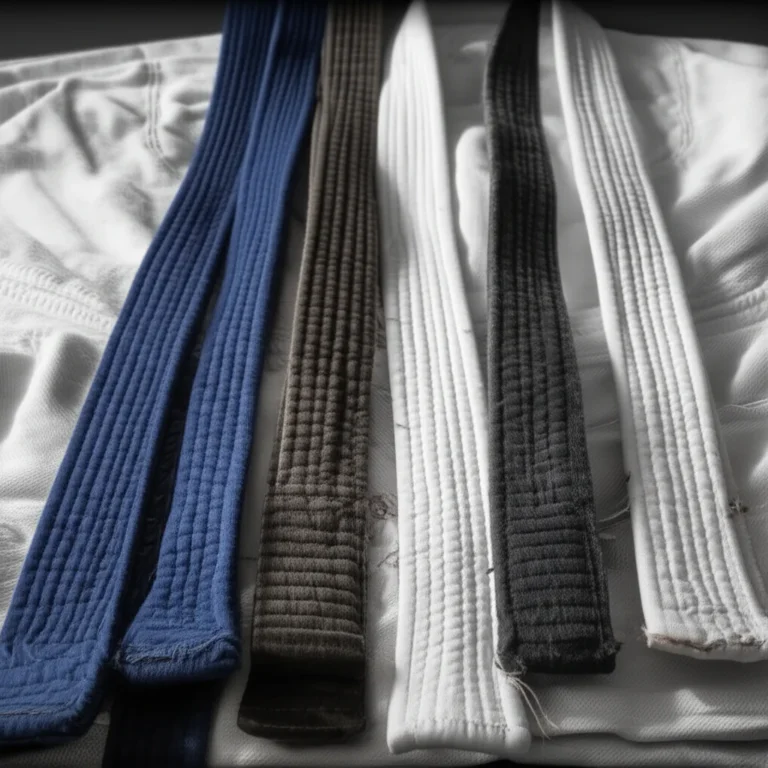
| Gi (uniform) | Fuji, Adidas, Century | Durable fabric, proper fit |
| Belts | Century, Tiger Claw | Quality stitching, colorfast |
| Protective Pads | Hayabusa, RDX | Lightweight, shock absorption |
Training Resources
- Books:
- “The Fighter’s Mind” by Sam Sheridan
- “The Way of the Warrior” by Chris Crudelli
- Online Courses:
- Global Martial Arts University offers certifications in Krav Maga, Karate, and more.
- YouTube Channels:
- FightTips for MMA techniques
- Kung Fu Life for traditional arts insights
👉 Shop MMA gear on:
👉 Shop Traditional Martial Arts Gear on:
For a balanced perspective on traditional karate’s value and MMA’s role, check out the insightful discussion in the featured video embedded above.
Conclusion: Bridging the Gap Between MMA and Traditional Martial Arts

After our deep dive into the world of martial arts, it’s clear that MMA and traditional martial arts are not enemies but complementary paths on the journey of combat and self-discovery. MMA shines as the ultimate test of practical fighting skills, blending striking, grappling, and conditioning into a dynamic, evolving sport. Traditional martial arts, on the other hand, offer rich cultural heritage, mental discipline, and spiritual growth that extend far beyond the cage.
If you’re looking for real-world combat readiness and competition, MMA is your go-to. But if your heart beats for philosophy, tradition, and lifelong personal development, traditional martial arts will serve you well. And here’s the kicker — many practitioners find the best results by cross-training, blending the best of both worlds.
Remember our earlier question about whether traditional martial arts need to worry about MMA? The answer is a confident no. Each has its own purpose and audience. The future belongs to those who adapt, evolve, and respect the strengths of all disciplines.
So, whether you’re lacing up MMA gloves or tying your gi belt, the most important thing is to train hard, stay humble, and enjoy the journey. 🥋🥊
Recommended Links for Further Exploration
Ready to gear up or deepen your knowledge? Here are some trusted resources and gear to kickstart or elevate your martial arts journey:
-
MMA Gear:
-
Traditional Martial Arts Gear:
-
Books for Martial Arts Enthusiasts:
-
Educational Resources:
- Global Martial Arts University — Courses in Krav Maga, Karate, and more
- Traditional vs. Modern Martial Arts: What’s the Difference? – Global Martial Arts University
FAQ: Your Burning Questions About MMA vs Traditional Martial Arts Answered

How does training in MMA differ from traditional martial arts?
Training in MMA is highly dynamic and focused on full-contact sparring, conditioning, and blending multiple fighting styles. You’ll spend significant time on striking, wrestling, Brazilian Jiu-Jitsu, and cardio-intensive drills. The goal is to prepare for real combat scenarios and competition.
Traditional martial arts training often emphasizes forms (kata), precise technique, and controlled sparring. It includes rituals, philosophy, and character development. The pace can be slower, focusing on mastery of specific movements and mental discipline.
Read more about “How Can Mixed Martial Arts Improve Fitness & Self-Defense? 🥋 (2025)”
What are the key techniques unique to MMA compared to traditional martial arts?
MMA incorporates a wide range of techniques from boxing punches, Muay Thai elbows and knees, wrestling takedowns, and Brazilian Jiu-Jitsu submissions. The unique aspect is the seamless integration of striking and grappling, allowing fighters to transition fluidly between standing and ground fighting.
Traditional martial arts often focus on style-specific strikes, blocks, and forms. For example, Taekwondo emphasizes high kicks, Karate focuses on linear punches and blocks, and Aikido uses joint locks and redirection. These techniques may not always be adapted for full-contact or ground fighting scenarios.
Read more about “What Belt Is Joe Rogan in Taekwondo? 🥋 The Full Truth (2025)”
Can traditional martial arts skills be effective in MMA competitions?
Yes, but with caveats. Many MMA champions have backgrounds in traditional arts like Karate or Taekwondo, but they usually supplement their training with grappling and conditioning to compete effectively. Pure traditional training without cross-training often lacks the realistic sparring and ground game needed for MMA success.
For example, Lyoto Machida famously used Shotokan Karate principles effectively in the UFC, but he also trained extensively in Brazilian Jiu-Jitsu and wrestling.
Read more about “What Are the 10 Basic Rules of Mixed Martial Arts? 🥋 (2025)”
What are the benefits of learning MMA over traditional martial arts?
- Practical self-defense skills tested under pressure
- Comprehensive training covering striking, grappling, and conditioning
- Competitive sport environment with clear rules and measurable progress
- Constant evolution of techniques based on real fight outcomes
However, MMA training can be physically demanding and may lack the philosophical and cultural depth found in traditional arts.
Read more about “15 Surprising Benefits of Training in Mixed Martial Arts 🥋 (2025)”
How do the rules in MMA differ from those in traditional martial arts tournaments?
MMA follows Unified Rules with weight classes, timed rounds, and fouls designed to protect fighters while allowing intense competition. Striking and grappling are both permitted, with no restrictions on ground fighting.
Traditional martial arts tournaments vary widely:
- Some use point sparring with light contact (e.g., Olympic Taekwondo).
- Others emphasize forms or kata performance.
- Contact levels and allowed techniques differ by style and federation.
Read more about “Is the World Martial Arts Tournament Real? 🥋 The Truth Revealed (2025)”
Which martial arts styles are most commonly integrated into MMA?
- Brazilian Jiu-Jitsu (BJJ): Ground control and submissions
- Muay Thai: Powerful striking with elbows, knees, and clinch work
- Wrestling: Takedowns and control
- Boxing: Punching technique and footwork
- Judo: Throws and takedown defense
Many fighters also incorporate elements from Karate, Sambo, and Kickboxing.
Is MMA more practical for self-defense than traditional martial arts?
Generally, MMA’s emphasis on realistic sparring and adaptability makes it highly practical for self-defense. Its training prepares practitioners for unpredictable encounters involving striking and grappling.
However, some traditional arts offer valuable self-defense principles, such as situational awareness, de-escalation, and weapon defense, which MMA may not cover extensively.
Cross-training is often the best approach for comprehensive self-defense skills.
Read more about “Is 40 Too Old to Learn How to Fight? 🥋 Unlock Your Warrior in 2025!”
How do mental and philosophical approaches differ between MMA and traditional martial arts?
MMA Mentality
- Focused on winning and adapting in combat
- Emphasizes resilience, strategy, and fight IQ
- Less ritual, more direct competition mindset
Traditional Martial Arts Philosophy
- Emphasizes self-improvement, respect, and humility
- Often incorporates spirituality and meditation
- Values discipline and character building alongside fighting skills
Can traditional martial arts benefit from MMA training methods?
Absolutely! Many traditional schools have started incorporating full-contact sparring, conditioning, and cross-training with MMA disciplines to enhance practical effectiveness without losing their cultural roots.
Reference Links and Credible Sources
- Traditional vs. Modern Martial Arts: What’s the Difference? – Global Martial Arts University
- The Tai Chi Notebook: Do Traditional Martial Arts Need to Worry About MMA?
- Sensei Ando: TMA vs MMA Martial Arts Debate
- Venum Official Website
- Hayabusa Official Website
- Century Martial Arts
- Global Martial Arts University
- UFC Official Rules
- Brazilian Jiu-Jitsu History – BJJ Heroes
Ready to train smarter and fight wiser? Whether you choose MMA, traditional martial arts, or a blend of both, remember: the best martial art is the one that empowers you to grow, defend, and thrive. 🥋🔥