Support our educational content for free when you purchase through links on our site. Learn more
What Do You Call a Person Who Does Mixed Martial Arts? 🥋 (2026)

Ever found yourself wondering what the correct term is for someone who trains in mixed martial arts? Is it an MMA fighter, a mixed martial artist, or something else entirely? You’re not alone! Whether you’re stepping into the gym for the first time or just curious about the sport’s culture, the answer is more nuanced than you might think.
At MMA Ninja™, we’ve trained with everyone from weekend warriors to UFC champions, and we’re here to break down the terminology, history, and mindset behind the people who live and breathe MMA. Spoiler alert: it’s not just about throwing punches and kicks—it’s about mastering a lifestyle of discipline, versatility, and respect. Stick around, because later we’ll reveal the 7 distinct types of MMA practitioners and share insider tips on how to identify a true MMA fighter.
Key Takeaways
- “Mixed Martial Artist” and “MMA Fighter” are the most accurate and respectful terms for people who train or compete in MMA.
- MMA practitioners come in many forms—from beginners and hobbyists to professional competitors and coaches.
- The sport’s rich history shapes the identity of MMA fighters as versatile warriors blending striking and grappling arts.
- True MMA fighters embody a unique mindset of discipline, adaptability, and respect beyond just physical skills.
- Understanding the terminology helps you appreciate the complexity and culture of MMA, whether you’re training or spectating.
Table of Contents
- ⚡️ Quick Tips and Facts About MMA Practitioners
- 🥋 The Ultimate Guide: What Do You Call a Person Who Does Mixed Martial Arts?
- 📜 The Evolution and History of Mixed Martial Arts Fighters
- 💪 Different Names for MMA Practitioners: Fighter, Martial Artist, or Something Else?
- 🥊 7 Types of MMA Practitioners: From Amateur to Pro and Beyond
- 🧠 What Skills Define a Mixed Martial Artist? A Deep Dive Into MMA Training
- 🎯 How to Identify a True MMA Fighter: Traits and Mindset
- 🥋 MMA vs. Other Martial Arts: What Makes an MMA Practitioner Unique?
- 🌍 The Global MMA Community: Connecting Fighters Worldwide
- 🏆 Famous MMA Fighters and How They Define the Term “MMA Practitioner”
- 🛡️ Essential Gear and Brands for MMA Practitioners
- 📚 Recommended MMA Gyms and Training Centers Around the World
- 🤔 Common Misconceptions About MMA Practitioners Debunked
- 💡 Quick Tips for Aspiring MMA Practitioners: Start Your Journey Right
- 🔚 Conclusion: What It Really Means to Be an MMA Practitioner
- 🔗 Recommended Links for MMA Enthusiasts
- ❓ Frequently Asked Questions About MMA Practitioners
- 📖 Reference Links and Further Reading
⚡️ Quick Tips and Facts About MMA Practitioners
Welcome to the wild, adrenaline-fueled world of MMA! If you’ve ever wondered what do you call a person who does mixed martial arts, you’re in the right dojo. At MMA Ninja™, we’ve trained, fought, and lived this life, so here’s your rapid-fire starter pack of facts and tips to get you going:
- Terminology: The most common terms are MMA Fighter, Mixed Martial Artist, or simply MMA Practitioner. Each has a slightly different vibe, which we’ll unpack soon.
- Versatility is King: MMA fighters are not just boxers or wrestlers; they blend disciplines like Brazilian Jiu-Jitsu, Muay Thai, wrestling, and boxing.
- Training Intensity: Expect grueling sessions that build strength, endurance, technique, and mental toughness.
- Gear Up: Essential gear includes gloves, mouthguards, rash guards, and MMA shorts. Brands like Hayabusa, Venum, and Everlast dominate the scene.
- Community: MMA is more than fighting; it’s a global tribe of warriors, fitness enthusiasts, and self-defense advocates.
- Mindset: Discipline, respect, and resilience are as important as physical skills.
- Common Misconceptions: MMA is not just “street fighting” — it’s a highly technical sport with strict rules and weight classes.
For a deeper dive, check out our What is American Mixed Martial Arts? 2024 article to understand the cultural and technical roots of MMA in the US.
🥋 The Ultimate Guide: What Do You Call a Person Who Does Mixed Martial Arts?
You might think this is a simple question, but the answer is layered like a well-executed triangle choke. The short answer? Mixed Martial Artist or MMA Fighter. But let’s break it down:
MMA Fighter vs. Mixed Martial Artist
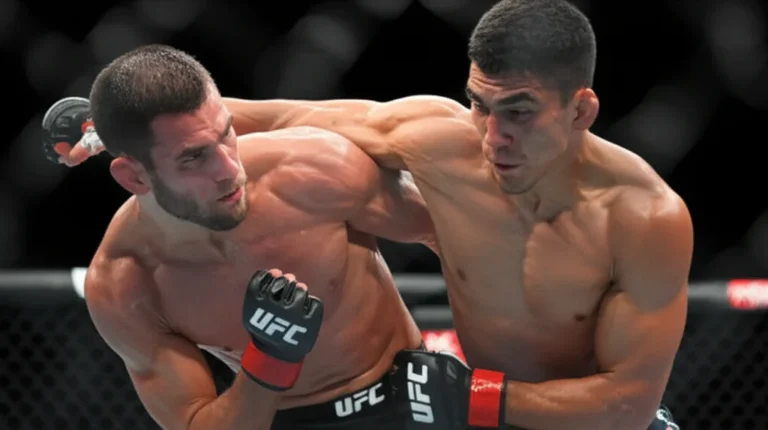
- MMA Fighter: Usually refers to someone who competes professionally or semi-professionally in MMA bouts. Think of UFC stars like Conor McGregor or Amanda Nunes.
- Mixed Martial Artist: A broader term that includes anyone who trains in MMA techniques, whether competing or not. This can be a hobbyist, a fitness enthusiast, or a professional.
- MMA Competitor: Often used interchangeably with MMA fighter, but sometimes implies someone actively competing in tournaments or leagues.
Other Related Terms
- Martial Artist: A general term for practitioners of any martial art, including karate, judo, or taekwondo.
- Grappler: Someone who specializes in ground fighting, often Brazilian Jiu-Jitsu or wrestling.
- Striker: Fighters focusing on stand-up combat like Muay Thai or boxing.
- BJJ Practitioner / Muay Thai Fighter / Kickboxer: More specialized labels depending on the fighter’s primary discipline.
Why Does This Matter?
Using the right term shows respect and understanding of the sport’s complexity. Calling a seasoned MMA fighter just a “fighter” might undersell their technical mastery and dedication.
📜 The Evolution and History of Mixed Martial Arts Fighters

To truly appreciate what you call an MMA practitioner, you’ve got to know where it all began.
Origins of MMA
- Ancient Roots: Combat sports mixing striking and grappling date back to the Greek pankration (Olympic event 648 BC).
- Modern MMA: The sport as we know it took shape in the 1990s with the first UFC events, showcasing fighters from different disciplines battling under unified rules.
The Rise of the MMA Fighter Identity
- Early UFC fighters were often specialists (boxers, wrestlers, jiu-jitsu experts). Over time, the “Mixed Martial Artist” emerged as fighters cross-trained to survive and thrive.
- The term gained popularity as fighters like Royce Gracie (BJJ legend) and Ken Shamrock (wrestler) demonstrated the need for versatility.
MMA Today
- MMA fighters are now elite athletes with training regimens rivaling any professional sport.
- The sport’s legitimacy and popularity exploded with organizations like UFC, Bellator, and ONE Championship.
For a full historical timeline, visit History of MMA Fighters.
💪 Different Names for MMA Practitioners: Fighter, Martial Artist, or Something Else?
Let’s get nerdy with terminology and why it matters.
| Term | Definition | Usage Context | Pros | Cons |
|---|---|---|---|---|
| MMA Fighter | Someone who competes in MMA bouts | Professional or amateur fights | Clear, widely understood | Can sound aggressive |
| Mixed Martial Artist | Anyone who trains or competes in MMA | Broad, inclusive | Respects the art and skill | May sound formal or vague |
| MMA Competitor | Active participant in MMA competitions | Tournament-focused | Highlights competitive aspect | Less common in casual talk |
| Martial Artist | Practitioner of any martial art | General | Emphasizes discipline | Too broad for MMA specificity |
| Grappler | Specialist in ground fighting | BJJ, wrestling focus | Highlights skill set | Excludes striking disciplines |
| Striker | Specialist in stand-up fighting | Muay Thai, boxing focus | Highlights skill set | Excludes grappling |
Our Take at MMA Ninja™
We prefer Mixed Martial Artist for anyone seriously training MMA, and MMA Fighter for those actively competing. It’s about honoring the dedication and skill involved.
🥊 7 Types of MMA Practitioners: From Amateur to Pro and Beyond
Not all MMA practitioners wear UFC belts, so here’s a breakdown of the MMA family tree:
- The Beginner: Just stepping onto the mat, learning basics of striking and grappling.
- The Hobbyist: Trains regularly for fitness and self-defense, no competition.
- The Amateur Fighter: Competes in local or regional MMA events, gaining experience.
- The Professional Fighter: Competes at national or international levels, often full-time.
- The Specialist: Focuses on one discipline but incorporates MMA elements (e.g., BJJ black belt who fights MMA occasionally).
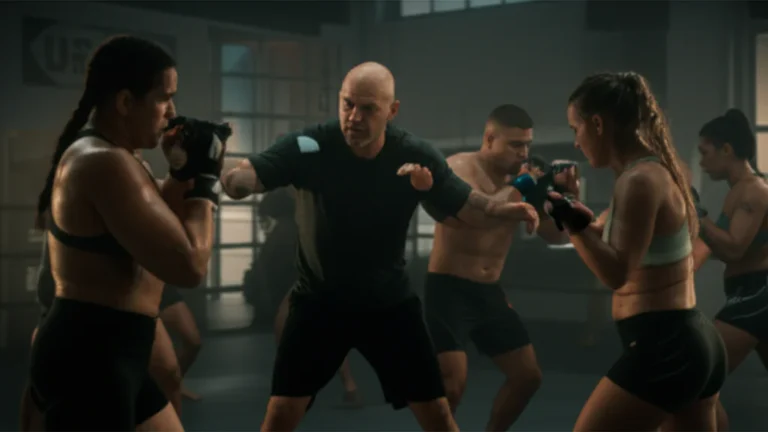
- The Coach/Trainer: Former or current fighter who teaches MMA techniques and strategy.
- The MMA Enthusiast: Fans and practitioners who may not train but deeply understand the sport’s culture and tactics.
Why Know These Types?
Understanding these categories helps you appreciate the diversity within MMA and the different ways people engage with the sport.
🧠 What Skills Define a Mixed Martial Artist? A Deep Dive Into MMA Training
MMA is a cocktail of skills shaken, not stirred. Here’s what every MMA practitioner must master:
Core Disciplines
- Striking: Boxing, Muay Thai, Kickboxing – for punches, kicks, knees, and elbows.
- Grappling: Wrestling, Brazilian Jiu-Jitsu, Judo – for takedowns, submissions, and ground control.
- Conditioning: Cardiovascular fitness, strength training, flexibility, and recovery.
Mental Skills
- Fight IQ: Reading opponents, strategy, and adapting mid-fight.
- Discipline: Consistent training, diet, and rest.
- Resilience: Overcoming injuries, losses, and setbacks.
Training Routine Breakdown
| Training Aspect | Frequency | Purpose | Typical Activities |
|---|---|---|---|
| Striking Drills | 3-5 times per week | Improve technique and power | Pad work, sparring, shadowboxing |
| Grappling Sessions | 3-5 times per week | Enhance submissions and defense | Rolling, drilling, positional sparring |
| Strength & Conditioning | 2-4 times per week | Build endurance and strength | Weightlifting, HIIT, plyometrics |
| Mental Training | Daily | Focus and visualization | Meditation, fight analysis |
🎯 How to Identify a True MMA Fighter: Traits and Mindset
What separates a weekend warrior from a true MMA fighter? Here’s the MMA Ninja™ checklist:
- Commitment: Training consistently, even when motivation dips.
- Humility: Willingness to learn from losses and criticism.
- Adaptability: Ability to blend striking and grappling seamlessly.
- Respect: For coaches, teammates, and opponents.
- Mental Toughness: Staying calm under pressure and pushing through pain.
Anecdote from Our Gym
One of our fighters, Jake, started as a hobbyist but transformed into a pro after embracing the mindset above. He says, “It’s not just about throwing punches — it’s about mastering yourself.”
🥋 MMA vs. Other Martial Arts: What Makes an MMA Practitioner Unique?
You might train karate or judo, but MMA practitioners are a different breed.
Key Differences
| Aspect | MMA Practitioner | Traditional Martial Artist |
|---|---|---|
| Training Style | Cross-disciplinary, practical combat | Discipline-specific, often ritualistic |
| Competition Format | Full-contact, multi-discipline bouts | Style-specific tournaments |
| Focus | Real-world effectiveness and adaptability | Form, tradition, and self-improvement |
| Gear | MMA gloves, shorts, mouthguard | Style-specific uniforms and gear |
Why MMA?
MMA fighters thrive on versatility and realism. They don’t just learn one way to fight; they learn every way.
🌍 The Global MMA Community: Connecting Fighters Worldwide
MMA is a worldwide phenomenon, with communities from Brazil to Japan, Russia to the US.
Community Highlights
- Online Forums: Reddit’s r/MMA and Facebook groups like the MMA Fighters Group foster discussion and support.
- Gyms and Academies: From Hellfish MMA in Chalfont, PA (run by Tim Carpenter, a 3rd degree BJJ black belt) to the famed American Top Team, gyms are hubs for growth.
- Events: UFC, Bellator, ONE Championship bring fighters and fans together globally.
- Cultural Exchange: Fighters often cross-train internationally, blending styles and philosophies.
Why Join?
Being part of the MMA community means access to knowledge, motivation, and lifelong friendships.
🏆 Famous MMA Fighters and How They Define the Term “MMA Practitioner”
Let’s peek into the minds of the legends:
- Conor McGregor: Calls himself a “fighter” but embraces the MMA artist identity through his diverse skills.
- Ronda Rousey: A judo Olympian turned MMA champion, she highlights the importance of grappling in MMA.
- Georges St-Pierre: Known for his discipline and fight IQ, he often refers to MMA as a “science.”
Their stories show that being an MMA practitioner is about constant evolution and respect for all martial arts.
🛡️ Essential Gear and Brands for MMA Practitioners
Your gear is your armor in the cage. Here’s what we recommend:
| Gear Item | Top Brands | Features to Look For | MMA Ninja™ Rating (1-10) |
|---|---|---|---|
| MMA Gloves | Hayabusa, Venum, Everlast | Durability, padding, wrist support | 9 |
| Mouthguard | Shock Doctor, SISU | Comfort, protection, breathability | 8 |
| Rash Guard | Venum, Tatami, Sanabul | Moisture-wicking, durability | 8 |
| MMA Shorts | Venum, Hayabusa, Bad Boy | Flexibility, comfort, durability | 9 |
| Shin Guards | Fairtex, Venum | Lightweight, protection | 8 |
Why These Brands?
- Hayabusa: Known for premium quality and innovative design.
- Venum: Popular among pros for style and function.
- Everlast: Trusted legacy brand with solid entry-level gear.
👉 CHECK PRICE on:
- Hayabusa MMA Gloves: Amazon | Hayabusa Official Website
- Venum MMA Shorts: Amazon | Venum Official Website
- Shock Doctor Mouthguard: Amazon | Shock Doctor Official Website
📚 Recommended MMA Gyms and Training Centers Around the World
If you want to train like a pro, here are some top gyms:
| Gym Name | Location | Specialty | Notable Fighters |
|---|---|---|---|
| American Top Team | Florida, USA | All-round MMA | Amanda Nunes, Dustin Poirier |
| Hellfish MMA | Chalfont, PA, USA | BJJ, Muay Thai, Kickboxing | Tim Carpenter (owner/instructor) |
| Jackson Wink MMA | New Mexico, USA | Striking and wrestling | Jon Jones, Holly Holm |
| Tiger Muay Thai | Phuket, Thailand | Muay Thai and MMA | Valentina Shevchenko |
| Nova União | Brazil | BJJ and MMA | José Aldo, Renan Barão |
Why These Gyms?
They offer world-class coaching, facilities, and a culture that fosters growth.
🤔 Common Misconceptions About MMA Practitioners Debunked
Let’s bust some myths:
- Myth: MMA is just street fighting.
Fact: MMA is a regulated sport with strict rules, weight classes, and referees. - Myth: MMA fighters are all aggressive and violent outside the cage.
Fact: Most fighters are disciplined, respectful, and humble. - Myth: MMA is only for young, tough guys.
Fact: Gyms like Hellfish MMA welcome all ages and skill levels. - Myth: MMA training is too dangerous for beginners.
Fact: Proper coaching and safety gear minimize risks.
For more on MMA philosophy and mindset, check out our Mixed Martial Arts Philosophy section.
💡 Quick Tips for Aspiring MMA Practitioners: Start Your Journey Right
Ready to jump in? Here’s how to avoid rookie mistakes:
- Start Slow: Focus on fundamentals before sparring.
- Choose the Right Gym: Look for qualified coaches and a supportive environment.
- Invest in Quality Gear: Protect yourself with trusted brands.
- Cross-Train: Don’t neglect striking or grappling.
- Stay Consistent: Progress comes with time and effort.
- Mind Your Nutrition and Recovery: Your body is your weapon.
- Learn From Losses: Every setback is a lesson.
Remember the words from the first featured video: “It’s a massive confidence boost” and “I was happy after I train.” Martial arts can transform your life beyond the cage.
Check out this inspiring video on the benefits of martial arts training for mental strength and confidence.
That’s a wrap on the core sections before we dive into the conclusion and FAQs. Ready to learn what it truly means to be an MMA practitioner? Stay tuned!
🔚 Conclusion: What It Really Means to Be an MMA Practitioner

So, what do you call a person who does mixed martial arts? The answer is as dynamic as the sport itself: Mixed Martial Artist or MMA Fighter—terms that honor the skill, dedication, and versatility required to master this demanding discipline. Whether you’re a beginner stepping onto the mat for the first time or a seasoned pro competing on the world stage, being an MMA practitioner means embracing a lifestyle of continuous learning, physical and mental resilience, and respect for the martial arts community.
Throughout this article, we’ve unpacked the nuances behind the terminology, explored the rich history of MMA fighters, and highlighted the diverse types of practitioners—from hobbyists to professional competitors. We’ve also busted myths, shared expert tips, and spotlighted essential gear and gyms that can help you start or elevate your MMA journey.
If you’re ready to take the plunge, remember: it’s not just about fighting—it’s about becoming a better version of yourself. As Tim Carpenter of Hellfish MMA reminds us, “Anyone can learn how to take care of themselves.” So, whether you call yourself an MMA fighter, a mixed martial artist, or simply a martial arts enthusiast, you’re part of a global tribe united by passion, discipline, and the thrill of the fight.
🔗 Recommended Links for MMA Enthusiasts
Ready to gear up or deepen your knowledge? Check out these top-rated products and books that MMA Ninja™ personally recommends:
- Hayabusa MMA Gloves:
Amazon | Hayabusa Official Website - Venum MMA Shorts:
Amazon | Venum Official Website - Shock Doctor Mouthguard:
Amazon | Shock Doctor Official Website - “The Fighter’s Mind: Inside the Mental Game” by Sam Sheridan:
Amazon - “Mixed Martial Arts: The Book of Knowledge” by B.J. Penn and Glen Cordoza:
Amazon
❓ Frequently Asked Questions About MMA Practitioners
What is a professional martial artist?
A professional martial artist is someone who earns a living by competing, teaching, or performing martial arts. In MMA, this typically means fighting in sanctioned bouts with contracts from organizations like UFC or Bellator. Professionals dedicate significant time to training, conditioning, and strategy, often making martial arts their full-time career.
What do you call people who do karate?
People who practice karate are called karateka. This term is specific to karate practitioners and reflects their training in this traditional Japanese martial art. Karateka focus on striking techniques such as punches, kicks, and blocks, often practicing kata (forms) and sparring.
What are martial arts students called?
Martial arts students are generally called students, practitioners, or disciples depending on the tradition. In many Asian martial arts, titles like uke (receiver of techniques) or deshi (apprentice) are used. In MMA, they are often referred to simply as MMA practitioners or fighters-in-training.
What is an MMA fighter?
An MMA fighter is an athlete who competes in mixed martial arts bouts, combining striking and grappling disciplines under unified rules. These fighters train extensively across multiple martial arts styles to be versatile and effective in all ranges of combat.
What is a martial arts teacher called?
A martial arts teacher is commonly called an instructor, coach, or sensei (in Japanese arts). In Brazilian Jiu-Jitsu, the term professor is often used. These individuals are responsible for training students, developing techniques, and fostering discipline.
What do you call people who do martial arts?
People who practice martial arts are called martial artists. This term encompasses practitioners of all styles, from traditional arts like kung fu and taekwondo to modern combat sports like MMA.
What is the official term for a mixed martial arts fighter?
The official term is Mixed Martial Artist (MMA fighter). This title reflects the multidisciplinary nature of the sport, emphasizing proficiency in multiple combat styles rather than a single martial art.
How do you become a professional mixed martial artist?
To become a professional MMA fighter, you typically:
- Start training in multiple martial arts disciplines (striking, grappling, wrestling).
- Gain experience through amateur fights and local competitions.
- Build a strong fight record and reputation.
- Get noticed by professional promoters or organizations.
- Obtain necessary licenses and pass medical exams.
- Sign contracts with professional MMA promotions.
What skills are essential for a mixed martial arts competitor?
Essential skills include:
- Striking: Effective punches, kicks, knees, and elbows.
- Grappling: Takedowns, submissions, and ground control.
- Cardio and Strength: High endurance and explosive power.
- Mental Toughness: Focus, adaptability, and resilience.
- Fight IQ: Strategy and reading opponents.
What are the different weight classes in mixed martial arts?
Weight classes vary by organization but generally include:
- Flyweight: Up to 125 lbs (56.7 kg)
- Bantamweight: 126–135 lbs (57.2–61.2 kg)
- Featherweight: 136–145 lbs (61.7–65.8 kg)
- Lightweight: 146–155 lbs (66.2–70.3 kg)
- Welterweight: 156–170 lbs (70.8–77.1 kg)
- Middleweight: 171–185 lbs (77.6–83.9 kg)
- Light Heavyweight: 186–205 lbs (84.4–93.0 kg)
- Heavyweight: 206–265 lbs (93.4–120.2 kg)
Some organizations also have women’s divisions and additional classes like strawweight and super heavyweight.
📖 Reference Links and Further Reading
- History of MMA Fighters – History.com
- UFC Official Website
- Hayabusa Fight Gear
- Venum Official Website
- Shock Doctor Official Website
- Hellfish Mixed Martial Arts, Chalfont, PA
- MMA Ninja™ Fighter Profiles
- MMA Ninja™ Mixed Martial Arts Philosophy
- MMA Ninja™ MMA Coaching
- MMA Ninja™ Fight Analysis
- MMA Ninja™ MMA Events
Ready to step into the cage or simply deepen your MMA knowledge? Remember, the journey of a Mixed Martial Artist is one of passion, perseverance, and respect. Whether you’re training for fitness, competition, or self-defense, you’re part of a global family that values strength, skill, and honor. 🥋🔥