Support our educational content for free when you purchase through links on our site. Learn more
What Is an MMA Trainer? Unveiling the Secrets Behind the Coach 🥋 (2026)

Ever wondered who’s really behind the scenes, shaping those fierce warriors you see dominating the octagon? An MMA trainer is much more than a drill sergeant barking orders — they’re the mastermind architects of every jab, takedown, and submission. From crafting fight strategies to building ironclad mental toughness, these coaches are the unsung heroes of mixed martial arts success.
In this deep dive, we’ll unravel what an MMA trainer actually does, how they become experts, and what to look for when choosing one. Plus, we’ll bust common myths and reveal insider tips from our MMA Ninja™ team that could change the way you train forever. Curious about how your future coach can transform your fight game? Keep reading — the knockout knowledge is coming your way!
Key Takeaways
- MMA trainers are multi-disciplinary experts who blend striking, grappling, conditioning, nutrition, and mental coaching into one comprehensive role.
- They do far more than teach techniques — they design personalized game plans, manage safety, and act as corner men during fights.
- Becoming an MMA trainer typically involves years of experience, certifications, mentorship, and continuous learning.
- Choosing the right trainer means prioritizing experience, communication style, safety, and personal connection.
- Women are breaking barriers in MMA coaching, and the sport’s training methods continue to evolve rapidly.
Ready to find your perfect MMA trainer? Dive in and discover what makes these coaches the ultimate fight game changers!
Table of Contents
- ⚡️ Quick Tips and Facts About MMA Trainers
- The Genesis of Greatness: A Brief History of MMA Training Evolution
- Unmasking the Maestro: What Exactly Is an MMA Trainer?
- Beyond the Octagon: The Multifaceted Roles of an Elite MMA Trainer
- The Strategist: Crafting Winning Game Plans 🧠
- The Technician: Honing Striking, Grappling, and Wrestling Skills 🥋🥊
- The Strength & Conditioning Guru: Forging Iron Bodies 💪
- The Nutrition Navigator: Fueling the Fighter’s Fire 🔥
- The Mental Architect: Building Unbreakable Minds 🧘♂️
- The Corner Man: Guiding You Through the Storm ⛈️
- The Path to Prowess: How Does One Become an MMA Trainer?
- Spotting the Sensei: What to Look for in a Top-Tier MMA Trainer
- Experience & Proven Track Record: Results Speak Louder Than Words 📈
- Deep Technical Knowledge Across Disciplines: A True Polymath 🧠
Communication & Coaching Style: Are They Speaking Your Language? 🗣️ - Safety First: Prioritizing Your Well-being 🛡️
- Personal Connection & Trust: The Unseen Bond 💖
- Facility & Equipment: The Training Ground Matters 🏟️
- The Trainer’s Toolkit: Essential Gear and Resources for Success
- The Fighter-Trainer Dynamic: A Partnership Forged in Sweat and Trust
- Common Misconceptions About MMA Trainers: Separating Fact from Fiction
- MMA Trainer vs. Personal Trainer: What’s the Difference? 🤔
- The Business of Coaching: Building a Career as an MMA Trainer
- Women in MMA Coaching: Breaking Barriers and Building Champions 👑
- Amateur vs. Professional MMA Training: Different Paths, Same Passion 🚀
- Safety Protocols and Injury Prevention: A Trainer’s Paramount Duty 🚑
- Legal and Ethical Considerations for MMA Trainers
- Conclusion: Your Journey to MMA Mastery Starts with the Right Guide
- Recommended Links: Dive Deeper into the World of MMA Training
- FAQ: Your Burning Questions Answered by MMA Ninja™
- Reference Links: Our Sources and Further Reading
⚡️ Quick Tips and Facts About MMA Trainers
Welcome to the world of MMA trainers — the unsung heroes behind every knockout, submission, and triumphant victory! At MMA Ninja™, we’ve trained with some of the best coaches in the game, and here’s what we’ve learned in a nutshell:
- MMA trainers are multi-disciplinary experts who blend striking, grappling, conditioning, and strategy into one seamless training experience.
- They don’t just teach punches and kicks — they craft personalized game plans tailored to your strengths and weaknesses.
- Top MMA trainers often have backgrounds in multiple martial arts like Brazilian Jiu-Jitsu, Muay Thai, wrestling, and boxing.
- A great trainer is also a mental coach, nutrition advisor, and corner man rolled into one.
- Training under a skilled MMA coach can reduce injury risk by emphasizing proper technique and safety protocols.
- MMA trainers come in all shapes and sizes — some are former pro fighters, others are lifelong coaches with decades of experience.
- The best gyms like Jackson Wink MMA Academy, American Top Team, and Nashville MMA are known for their elite coaching staffs.
- Becoming an MMA trainer usually requires years of experience, certifications, and mentorship under established coaches.
Curious about what exactly an MMA trainer does day-to-day? Or how to pick the right one for you? Keep reading — we’re about to break it all down with the kind of insider knowledge only MMA Ninja™ can deliver! 🥋🔥
The Genesis of Greatness: A Brief History of MMA Training Evolution
Before we dive into the nitty-gritty of MMA trainers, let’s take a quick trip down memory lane. MMA as a sport is relatively young, but the concept of cross-training in multiple martial arts is ancient.
- Early roots: From the Greek pankration (a brutal mix of wrestling and striking) to Vale Tudo in Brazil, fighters have long sought to combine styles for effectiveness.
- Bruce Lee’s influence: In the 1960s and 70s, Bruce Lee’s philosophy of “using no style” and adapting techniques from all martial arts laid the groundwork for MMA training.
- UFC’s birth in 1993: The first UFC events revealed the need for fighters to be well-rounded, sparking the rise of MMA trainers who could teach multiple disciplines.
- Modern gyms: Today’s MMA trainers are products of decades of evolution, blending science, technique, and psychology.
This history shapes how trainers approach coaching — no longer just specialists, but holistic architects of fighter development. For a detailed timeline, check out the Wikipedia page on MMA history.
Unmasking the Maestro: What Exactly Is an MMA Trainer?
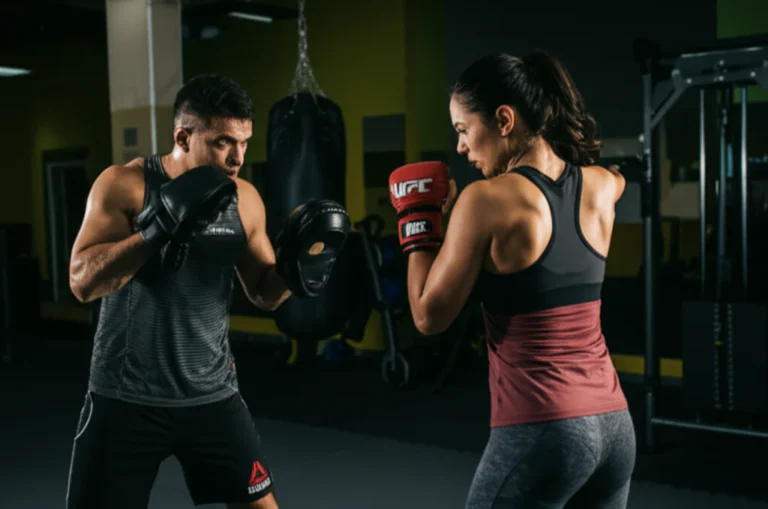
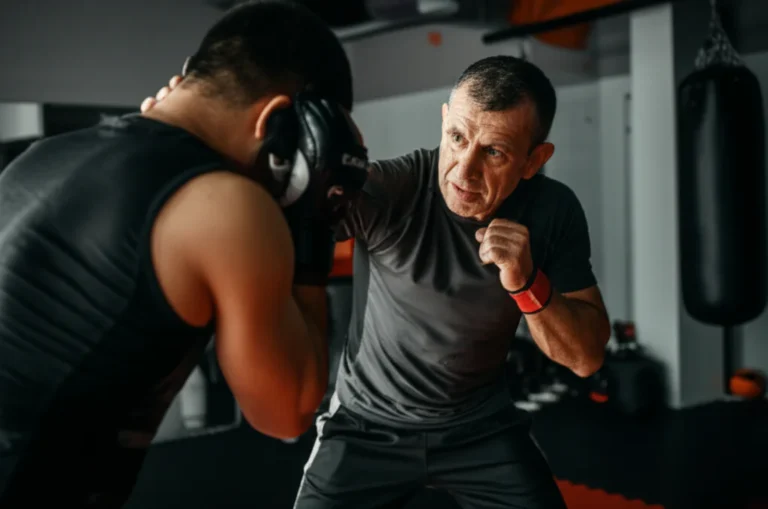
An MMA trainer is much more than a punching bag holder or a drill sergeant yelling at you to “go harder!” They are strategists, technicians, motivators, and caretakers all rolled into one.
Core responsibilities include:
- Teaching techniques across multiple martial arts (e.g., boxing, wrestling, Brazilian Jiu-Jitsu, Muay Thai).
- Designing training regimens that build strength, endurance, and skill.
- Developing fight strategies tailored to opponents and competition rules.
- Monitoring nutrition and recovery to optimize performance.
- Providing mental coaching to build confidence and resilience.
- Acting as corner men during fights, offering real-time advice and motivation.
In short, the MMA trainer is your personal guide through the chaos of combat sports, ensuring you’re prepared physically, mentally, and tactically.
Beyond the Octagon: The Multifaceted Roles of an Elite MMA Trainer
Let’s break down the many hats your MMA trainer wears:
The Strategist: Crafting Winning Game Plans 🧠
Every fight is a chess match. Your trainer studies your opponent’s strengths and weaknesses and crafts a plan to exploit openings. This includes:
- Identifying which disciplines to emphasize (e.g., striking vs. grappling).
- Planning rounds and pacing to conserve energy.
- Preparing counters to common techniques.
The Technician: Honing Striking, Grappling, and Wrestling Skills 🥋🥊
Your trainer drills fundamentals and advanced techniques, ensuring you can:
- Throw crisp punches and kicks with power and accuracy.
- Execute takedowns and defend against them.
- Apply submissions and escapes on the ground.
They often bring in specialists or cross-train themselves to cover all bases.
The Strength & Conditioning Guru: Forging Iron Bodies 💪
MMA is grueling. Trainers design conditioning programs that include:
- Cardiovascular endurance (running, sprints, swimming).
- Strength training (weightlifting, bodyweight exercises).
- Flexibility and mobility drills.
This ensures you can maintain peak performance for all rounds.
The Nutrition Navigator: Fueling the Fighter’s Fire 🔥
Weight cutting and recovery are critical. Trainers advise on:
- Balanced diets tailored to training phases.
- Safe weight-cutting protocols.
- Hydration and supplementation.
Proper nutrition can be the difference between winning and losing.
The Mental Architect: Building Unbreakable Minds 🧘♂️
Fighting is as much mental as physical. Trainers help:
- Build confidence through positive reinforcement.
- Develop focus and fight IQ.
- Manage anxiety and pressure.
Some even collaborate with sports psychologists.
The Corner Man: Guiding You Through the Storm ⛈️
During fights, your trainer is your voice in the chaos — offering tactical advice, motivation, and medical assessment between rounds.
The Path to Prowess: How Does One Become an MMA Trainer?
If you’re dreaming of becoming an MMA trainer, here’s the typical journey:
1. Mastering the Disciplines: Your Own Fighter’s Journey 🏆
Most trainers start as fighters themselves, gaining firsthand experience in multiple martial arts.
2. Certification & Credentials: The Paperwork That Matters 📜
While MMA-specific certifications are rare, many trainers hold credentials in:
- Brazilian Jiu-Jitsu (e.g., Gracie Barra, Alliance).
- Boxing (USA Boxing Coach Certification).
- Strength & Conditioning (NSCA Certified Strength and Conditioning Specialist).
These add credibility and knowledge.
3. Apprenticeship & Mentorship: Learning from the Legends 🤝
Working under established coaches at gyms like American Top Team or Jackson Wink MMA provides invaluable hands-on experience.
4. Continuous Learning: The Ever-Evolving Art 📚
MMA is dynamic. Trainers attend seminars, watch fight footage, and adapt new techniques constantly.
Spotting the Sensei: What to Look for in a Top-Tier MMA Trainer
Choosing the right trainer can make or break your MMA journey. Here’s what to prioritize:
| Criteria | Why It Matters | ✅ or ❌ Indicator |
|---|---|---|
| Experience & Proven Track Record | Demonstrates ability to develop fighters | ✅ Has produced successful fighters |
| Deep Technical Knowledge | Covers all MMA disciplines | ✅ Cross-trained in multiple arts |
| Communication & Coaching Style | Matches your learning style | ✅ Patient, clear, motivating |
| Safety First | Minimizes injury risk | ✅ Emphasizes proper technique |
| Personal Connection & Trust | Builds confidence and motivation | ✅ Respects and supports you |
| Facility & Equipment | Provides quality training environment | ✅ Well-equipped gym with mats, bags |
The Trainer’s Toolkit: Essential Gear and Resources for Success
A great MMA trainer needs the right tools. Here’s a breakdown:
Training Equipment: From Mitts to Mats 🥊
- Focus mitts and Thai pads for striking drills.
- Grappling dummies for submission practice.
- Heavy bags for power and endurance.
- Wrestling mats for safe takedown and ground work.
- Resistance bands and kettlebells for conditioning.
Brands like Fairtex, Hayabusa, and Venum are favorites among pros.
Technology & Analytics: Data-Driven Dominance 📊
Modern trainers use:
- Video analysis software to review technique and fight footage.
- Heart rate monitors and GPS trackers to optimize conditioning.
- Apps like FightCamp and MMA Lab for training plans.
Educational Resources: Staying Ahead of the Curve 📖
- Seminars by legends like Firas Zahabi and John Danaher.
- Online courses from platforms like BJJ Fanatics and MMA Coaching Academy.
- Books such as “The Fighter’s Mind” by Sam Sheridan.
The Fighter-Trainer Dynamic: A Partnership Forged in Sweat and Trust
Success in MMA is a team effort. Here’s how to build a strong bond with your trainer:
Setting Clear Goals: Charting Your Course 🗺️
Discuss your ambitions openly — whether it’s competing professionally, fitness, or self-defense.
Effective Communication: The Lifeline of Progress 💬
Be honest about your strengths, weaknesses, and concerns. A good trainer listens and adapts.
Trust and Respect: The Foundation of Success 🙏
Mutual respect fuels motivation and resilience through tough training cycles.
Handling Setbacks: Bouncing Back Stronger 💥
Injuries or losses happen. Your trainer should help you learn and come back better.
Common Misconceptions About MMA Trainers: Separating Fact from Fiction
Let’s bust some myths:
❌ Myth: All MMA Trainers Are Former UFC Fighters.
Reality: Many top trainers never fought professionally but have deep technical knowledge and coaching experience. For example, Firas Zahabi never fought in UFC but is a legendary coach.
❌ Myth: They Only Teach You How to Fight.
Reality: MMA trainers also focus on conditioning, nutrition, mental toughness, and recovery.
❌ Myth: Any Gym Coach Can Be an MMA Trainer.
Reality: MMA trainers require specialized knowledge across multiple disciplines and fight strategy.
MMA Trainer vs. Personal Trainer: What’s the Difference? 🤔
| Aspect | MMA Trainer | Personal Trainer |
|---|---|---|
| Focus | Combat skills, fight strategy | General fitness, weight loss, rehab |
| Skill Set | Martial arts techniques, conditioning | Exercise programming, nutrition |
| Client Goals | Prepare for fights or martial arts | Improve health, aesthetics, strength |
| Training Environment | MMA gyms, fight camps | Gyms, fitness centers |
If you want to fight or train like a fighter, an MMA trainer is your go-to expert.
The Business of Coaching: Building a Career as an MMA Trainer
Being a great coach is one thing — building a sustainable career is another.
Marketing Yourself: Standing Out in the Crowd 🌟
- Build a strong online presence (social media, YouTube tutorials).
- Network within MMA communities and gyms.
- Showcase fighter success stories and testimonials.
Client Management: Nurturing Your Roster 🧑🤝🧑
- Tailor programs to individual needs.
- Maintain communication and motivation.
- Manage scheduling and progress tracking.
Financial Planning: Making a Living Doing What You Love 💸
- Diversify income streams: private lessons, group classes, seminars.
- Consider merchandise or branded gear.
- Plan for slow seasons and invest in continuing education.
Women in MMA Coaching: Breaking Barriers and Building Champions 👑
Women are making huge strides as MMA trainers, breaking stereotypes and producing champions.
- Coaches like Julianna Peña’s team and Ronda Rousey’s mentors have inspired many.
- Female trainers bring unique perspectives on technique and athlete care.
- Gyms like Invicta FC promote women’s MMA and coaching opportunities.
At MMA Ninja™, we celebrate these trailblazers and encourage more women to join the coaching ranks. 💪
Amateur vs. Professional MMA Training: Different Paths, Same Passion 🚀
Training for amateur MMA differs from pro-level in intensity, focus, and regulation.
| Aspect | Amateur MMA Training | Professional MMA Training |
|---|---|---|
| Intensity | Moderate, safety prioritized | High intensity, fight-ready |
| Training Volume | Balanced with other life demands | Full-time commitment |
| Rules & Gear | More protective gear, shorter rounds | Standard pro rules, less gear |
| Focus | Skill development, experience | Peak performance, fight strategy |
Both require excellent trainers who understand the nuances of each level.
Safety Protocols and Injury Prevention: A Trainer’s Paramount Duty 🚑
MMA is intense, but safety is non-negotiable. Trainers implement:
- Proper warm-ups and cool-downs.
- Technique correction to avoid injury.
- Monitoring for signs of overtraining or concussion.
- Use of protective gear during sparring.
- Recovery protocols including rest, nutrition, and physical therapy.
According to UFC’s medical guidelines, injury prevention is a top priority — and your trainer is your first line of defense.
Legal and Ethical Considerations for MMA Trainers
Trainers must navigate:
- Compliance with local and international fight regulations.
- Anti-doping rules and athlete health monitoring.
- Ethical coaching practices — no encouraging dangerous behavior.
- Proper certification and insurance.
Understanding these ensures a professional and safe training environment.
Conclusion: Your Journey to MMA Mastery Starts with the Right Guide
So, what is an MMA trainer? They’re the ultimate architects of your fighting journey — blending technical expertise, strategic insight, physical conditioning, and mental coaching into a comprehensive package designed to turn raw potential into octagon-ready skill. From the first jab to the final bell, your MMA trainer is your partner, mentor, and corner man.
We’ve seen how MMA trainers wear many hats: strategist, technician, strength coach, nutritionist, and psychologist. They’re not just teaching you how to fight; they’re building you into a complete athlete prepared for the brutal demands of MMA competition. Whether you’re a beginner stepping onto the mats for the first time or a seasoned pro chasing championship gold, the right trainer can elevate your game and keep you safe.
Remember the myths we busted? Not all trainers are ex-UFC stars, and they do far more than just teach punches and kicks. The best MMA trainers are lifelong learners who adapt, innovate, and tailor their coaching to your unique needs.
If you’re ready to take your MMA journey seriously, seek out trainers with proven experience, deep technical knowledge, excellent communication skills, and a genuine commitment to your growth. The gyms we mentioned — like Jackson Wink MMA Academy, American Top Team, and Nashville MMA — are great places to start your search.
Now that you know what to look for and what to expect, the next step is yours. Lace up those gloves, find your sensei, and get ready to unleash your inner warrior! 🥋🔥
Recommended Links: Dive Deeper into the World of MMA Training
Ready to gear up and learn from the best? Check out these top-rated products and resources that MMA Ninja™ trusts:
- Fairtex Training Gear: Amazon Fairtex MMA Gear | Fairtex Official Website
- Hayabusa MMA Equipment: Amazon Hayabusa MMA | Hayabusa Official Website
- Venum MMA Gear: Amazon Venum MMA | Venum Official Website
- BJJ Fanatics Online Courses: BJJ Fanatics
- “The Fighter’s Mind” by Sam Sheridan: Amazon Link
- MMA Coaching Academy: MMA Coaching Academy
Equip yourself with the right tools and knowledge to train smarter and fight harder!
FAQ: Your Burning Questions Answered by MMA Ninja™
How to choose the right MMA trainer for your skill level?
Choosing the right MMA trainer depends on your experience and goals. Beginners should look for trainers with patience, clear communication, and a structured curriculum that builds fundamentals. Intermediate and advanced fighters benefit from trainers with proven fight records or coaching experience at high levels. Always seek a trainer who can tailor training to your unique strengths and weaknesses.
What is the difference between an MMA trainer and a boxing coach?
An MMA trainer covers multiple disciplines: striking (boxing, Muay Thai), grappling (Brazilian Jiu-Jitsu, wrestling), conditioning, and fight strategy. A boxing coach focuses exclusively on boxing techniques, footwork, and ring strategy. If your goal is to compete in MMA, a specialized MMA trainer is essential to cover all aspects of the sport.
How does an MMA trainer help improve fighting skills?
MMA trainers improve your skills by breaking down complex techniques into manageable drills, providing real-time feedback, and designing sparring sessions that simulate fight conditions. They also analyze your performances and opponents’ tendencies to develop effective strategies.
What qualifications does an MMA trainer need?
While there is no universal MMA trainer certification, reputable trainers often hold credentials in specific martial arts (e.g., BJJ black belt, USA Boxing certification) and strength & conditioning certifications (e.g., NSCA CSCS). Experience coaching fighters at amateur or professional levels is equally important.
How do MMA trainers customize training programs for fighters?
Trainers assess a fighter’s physical condition, technical skills, and fight style to create personalized programs. They adjust training intensity, focus areas, and recovery protocols based on upcoming opponents, fight schedules, and the fighter’s progress.
What is the role of an MMA trainer during a fight?
During a fight, the trainer acts as the corner man — offering tactical advice, motivating the fighter, monitoring injuries, and communicating adjustments between rounds. They are the fighter’s voice of clarity amid the chaos.
How do you become an MMA trainer?
Typically, becoming an MMA trainer involves years of training and competing in martial arts, gaining certifications, apprenticing under experienced coaches, and continuously learning. Building a reputation through successful fighter development and networking is crucial.
What do you do at MMA training?
MMA training sessions usually include warm-ups, technique drills (striking, grappling), sparring, conditioning exercises, and cooldowns. Trainers guide you through each phase, focusing on skill development, endurance, and fight readiness.
What is MMA and how does it work?
Mixed Martial Arts (MMA) is a full-contact combat sport combining techniques from various martial arts, including striking and grappling. Fighters compete in regulated bouts using a mix of disciplines, aiming to win by knockout, submission, or judges’ decision.
Reference Links: Our Sources and Further Reading
- Mixed Martial Arts – Wikipedia
- Nashville MMA Official Site
- Jackson Wink MMA Academy
- American Top Team
- UFC Health and Safety Guidelines
- Bakersfield MMA – So You Want to Be an MMA Fighter?
- BJJ Fanatics
- MMA Coaching Academy
Dive into these trusted resources to deepen your understanding and fuel your MMA journey!