Support our educational content for free when you purchase through links on our site. Learn more
How Many Styles of MMA Are There? 15+ You Need to Know (2026) 🥋

Mixed Martial Arts (MMA) is a thrilling, ever-evolving combat sport that blends dozens of fighting disciplines into one electrifying arena. But have you ever stopped to wonder exactly how many styles of MMA there really are? Spoiler alert: it’s more than you might think! From the ground-breaking submissions of Brazilian Jiu-Jitsu to the devastating strikes of Muay Thai, and the explosive takedowns of wrestling, MMA is a melting pot of martial arts traditions from around the world.
In this article, the MMA Ninja™ team breaks down the top 15+ MMA fighting styles that dominate the cage today. We’ll explore their origins, signature techniques, and how fighters blend these arts into a seamless fighting system. Plus, we’ll reveal insider tips on how to pick and master your own MMA style, and where to watch the best fights showcasing these disciplines in action. Ready to unlock the secrets behind MMA’s diverse styles? Let’s dive in!
Key Takeaways
- MMA incorporates at least 15 major fighting styles, including Brazilian Jiu-Jitsu, Muay Thai, wrestling, boxing, judo, and more.
- Fighters succeed by blending multiple styles to cover striking, clinching, and grappling phases of a fight.
- The sport’s roots trace back to ancient combat forms like Pankration and modern hybrids like Vale Tudo.
- Understanding different styles helps fans appreciate fight strategies and helps fighters develop a well-rounded skill set.
- Training tips include starting with your natural strengths and cross-training to avoid weaknesses.
Curious about which style fits you best or how champions mix their techniques? Keep reading for our expert insights and detailed breakdowns!
Table of Contents
- ⚡️ Quick Tips and Facts About MMA Styles
- 🥋 The Evolution and History of MMA Fighting Styles
- 🤔 What Exactly Is Mixed Martial Arts (MMA)?
- 💥 The Top 15 MMA Fighting Styles You Need to Know
- 1. Brazilian Jiu-Jitsu (BJJ)
- 2. Muay Thai – The Art of Eight Limbs
- 3. Wrestling – The Grappling Powerhouse
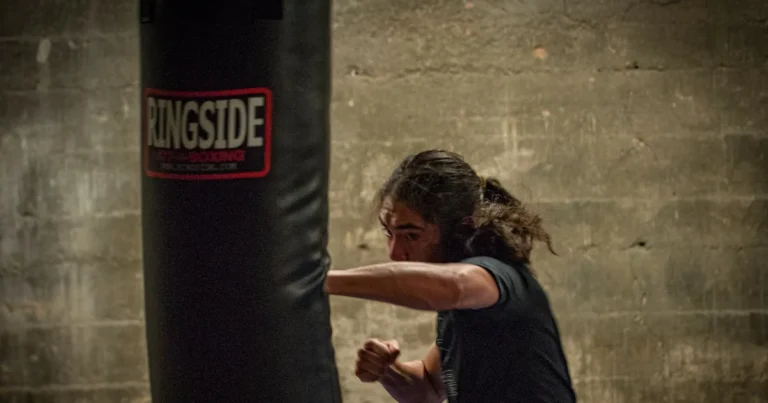
- 4. Boxing – The Sweet Science in MMA
- 5. Judo – Throws and Submissions
- 6. Kickboxing – Striking with Flair
- 7. Sambo – Russian Combat Style
- 8. Karate – Speed and Precision
- 9. Taekwondo – Dynamic Kicks and Agility
- 10. Capoeira – Dance of Combat
- 11. Sanda (Chinese Kickboxing)
- 12. Catch Wrestling – Old School Submission Grappling
- 13. Luta Livre – Brazilian No-Gi Grappling
- 14. Jeet Kune Do – Bruce Lee’s Philosophy in MMA
- 15. Pankration – Ancient MMA Roots
- ⚔️ How Fighters Blend Multiple Styles for Maximum Impact
- 🎯 Key Techniques and Strategies From Each Style
- 🏆 Methods of Victory in MMA: How Styles Influence Outcomes
- 📏 Understanding MMA Weight Classes and Style Suitability
- 🧠 Essential MMA Terms Every Fan and Fighter Should Know
- 🎥 Where to Watch and Learn More: Best Platforms for MMA Content
- 🛡️ Choosing the Right MMA Gear for Your Style
- 💡 Training Tips: How to Pick and Master Your MMA Style
- 📚 Recommended Reading and Resources for MMA Enthusiasts
- 🔗 Recommended Links for MMA Styles and Training
- 📖 Reference Links and Credible Sources
- 🎉 Conclusion: Unlocking the Full Spectrum of MMA Styles
⚡️ Quick Tips and Facts About MMA Styles
Welcome to the thrilling world of MMA styles! If you’ve ever wondered how many styles of MMA there really are, you’re in the right place. At MMA Ninja™, we’ve trained, fought, and analyzed the sport inside out, and here’s the scoop:
- MMA is a melting pot of dozens of martial arts disciplines — from striking arts like boxing and Muay Thai to grappling arts like Brazilian Jiu-Jitsu and wrestling.
- Fighters typically blend multiple styles to cover all ranges: stand-up striking, clinch work, and ground fighting.
- The sport’s evolution means there’s no fixed number, but we count at least 15 major styles commonly seen in MMA today.
- Styles fall broadly into three categories: strikers, grapplers, and all-rounders.
- The best MMA fighters are adaptable chameleons, mixing styles and strategies to exploit opponents’ weaknesses.
Want to know the top 15 MMA fighting styles and how they shape the octagon? Stick around — we’ll break them down with expert insights, real fighter stories, and even a few surprises!
For a deep dive, check out our related article: How Many Types of MMA Are There? 12+ Styles Explained (2025) 🥋.
🥋 The Evolution and History of MMA Fighting Styles

MMA didn’t just pop out of nowhere. It’s the culmination of centuries of martial arts evolution from all over the globe.
Ancient Roots: Pankration and Vale Tudo
- The ancient Greeks had Pankration (648 BC), a brutal mix of wrestling and striking — basically the first MMA.
- In Brazil, Vale Tudo (“anything goes”) matches in the 20th century showcased raw, no-holds-barred fighting, heavily influenced by the Gracie family’s Brazilian Jiu-Jitsu.
- Japan contributed with Shoot Wrestling and Catch Wrestling, blending grappling and striking in early hybrid contests.
Modern MMA: The UFC and Beyond
- The UFC’s 1993 debut introduced the world to MMA as we know it, with Royce Gracie showing the power of BJJ against bigger opponents.
- Over time, fighters realized specializing in one style wasn’t enough — cross-training became essential.
- Today, MMA is a regulated sport with unified rules, but the styles remain diverse and dynamic.
Bruce Lee’s Influence
- Bruce Lee’s Jeet Kune Do philosophy of “using no way as way” and adapting fluidly to any situation laid the groundwork for modern MMA’s hybrid approach.
For a detailed history, Wikipedia’s MMA page is a treasure trove.
🤔 What Exactly Is Mixed Martial Arts (MMA)?
Before we dive into styles, let’s clarify: MMA is a full-contact combat sport that combines techniques from multiple martial arts disciplines. Fighters can strike standing up or grapple on the ground, using punches, kicks, throws, submissions, and more.
The Unified Rules
- MMA matches are governed by Unified Rules, which allow a wide range of techniques but prohibit some dangerous moves (like eye gouging).
- Fighters wear fingerless gloves (usually 4 oz) to protect hands but allow grappling.
- Matches are won by knockout (KO), technical knockout (TKO), submission, or judges’ decision.
Why So Many Styles?
Because MMA is about being effective anywhere — standing, clinching, or on the mat — fighters incorporate striking arts, grappling arts, and hybrid styles to cover all bases.
Want to geek out on MMA terms and weight classes? We cover that later in this article!
💥 The Top 15 MMA Fighting Styles You Need to Know
Ready for the big list? Here are the 15 most influential MMA fighting styles, with our MMA Ninja™ insights on each.
1. Brazilian Jiu-Jitsu (BJJ)
- Focus: Ground fighting, submissions, positional control.
- Why it rocks: BJJ lets smaller fighters neutralize bigger opponents using leverage and technique.
- Famous fighters: Royce Gracie, Demian Maia, Charles Oliveira.
- Our take: BJJ is the cornerstone of modern MMA grappling. Every fighter should know at least the basics.
2. Muay Thai – The Art of Eight Limbs
- Focus: Striking with fists, elbows, knees, and shins.
- Why it rocks: Devastating clinch work and powerful strikes from all angles.
- Famous fighters: Anderson Silva, Joanna Jędrzejczyk, Valentina Shevchenko.
- Our take: Muay Thai is the go-to striking style for MMA, especially for clinch dominance.
3. Wrestling – The Grappling Powerhouse
- Focus: Takedowns, control, ground-and-pound.
- Why it rocks: Wrestlers dictate where the fight goes — standing or ground.
- Famous fighters: Khabib Nurmagomedov, Daniel Cormier, Henry Cejudo.
- Our take: Wrestling is the best base for controlling opponents and setting up submissions or strikes.
4. Boxing – The Sweet Science in MMA
- Focus: Punching, footwork, head movement.
- Why it rocks: Precision striking and defense make boxing a lethal MMA tool.
- Famous fighters: Conor McGregor, Jose Aldo, Holly Holm.
- Our take: Boxing’s timing and angles are essential for stand-up success.
5. Judo – Throws and Submissions
- Focus: Throws, trips, submissions, clinch control.
- Why it rocks: Explosive takedowns and submissions from the clinch.
- Famous fighters: Ronda Rousey, Karo Parisyan.
- Our take: Judo’s emphasis on balance and leverage complements wrestling and BJJ perfectly.
6. Kickboxing – Striking with Flair
- Focus: Punches and kicks, often with a more upright stance than Muay Thai.
- Why it rocks: Combines speed and power in stand-up striking.
- Famous fighters: Israel Adesanya, Gokhan Saki.
- Our take: Kickboxing adds variety to striking arsenals, especially for fighters who prefer distance.
7. Sambo – Russian Combat Style
- Focus: Throws, submissions, and striking (in Combat Sambo).
- Why it rocks: A hybrid grappling and striking system with a focus on practical combat.
- Famous fighters: Fedor Emelianenko, Khabib Nurmagomedov (background).
- Our take: Sambo’s versatility is a secret weapon for many top fighters.
8. Karate – Speed and Precision
- Focus: Linear strikes, quick counters, and movement.
- Why it rocks: Unorthodox angles and timing can surprise opponents.
- Famous fighters: Lyoto Machida, Stephen Thompson.
- Our take: Karate’s elusive style is perfect for counter-striking and controlling distance.
9. Taekwondo – Dynamic Kicks and Agility
- Focus: High, spinning, and flashy kicks.
- Why it rocks: Speed and unpredictability in striking.
- Famous fighters: Anthony Pettis, Yair Rodriguez.
- Our take: Taekwondo adds spectacular kicks but requires solid takedown defense.
10. Capoeira – Dance of Combat
- Focus: Fluid, rhythmic kicks and evasive movement.
- Why it rocks: Confuses opponents with unorthodox angles and timing.
- Famous fighters: Anderson Silva (used elements).
- Our take: Capoeira is more showmanship but can be effective when integrated smartly.
11. Sanda (Chinese Kickboxing)
- Focus: Strikes and takedowns, blending kung fu with wrestling.
- Why it rocks: Combines striking with throws and sweeps.
- Famous fighters: Cung Le.
- Our take: Sanda’s hybrid approach fits MMA’s demands well.
12. Catch Wrestling – Old School Submission Grappling
- Focus: Aggressive submissions and control.
- Why it rocks: Emphasizes relentless pressure and joint locks.
- Famous fighters: Josh Barnett.
- Our take: Catch wrestling is a gritty grappling style that complements BJJ.
13. Luta Livre – Brazilian No-Gi Grappling
- Focus: Submission grappling without the gi, including strikes.
- Why it rocks: Developed as a rival to BJJ, emphasizing no-gi techniques.
- Famous fighters: Marco Ruas.
- Our take: Luta Livre offers valuable no-gi submission skills for MMA.
14. Jeet Kune Do – Bruce Lee’s Philosophy in MMA
- Focus: Adaptability, efficiency, and directness.
- Why it rocks: Encourages fighters to absorb what’s useful and discard the rest.
- Famous fighters: Bruce Lee (philosophical influence).
- Our take: Jeet Kune Do’s mindset is the heart of MMA’s hybrid nature.
15. Pankration – Ancient MMA Roots
- Focus: Combination of striking and grappling from ancient Greece.
- Why it rocks: The original no-holds-barred combat sport.
- Famous fighters: Historical reference.
- Our take: Pankration is MMA’s ancestor and a reminder of the sport’s deep roots.
⚔️ How Fighters Blend Multiple Styles for Maximum Impact
Here’s the secret sauce: No fighter sticks to just one style anymore. The MMA Ninja™ team has trained with fighters who started as wrestlers but mastered Muay Thai, or BJJ practitioners who added boxing and wrestling to their arsenal.
The Evolution of the All-Rounder
- Early UFCs saw specialists dominate — but then came the fighters who could strike, wrestle, and grapple.
- Today’s champions are hybrids: they switch seamlessly between styles mid-fight.
- For example, Conor McGregor started as a boxer but developed takedown defense and ground skills.
- Khabib Nurmagomedov combined wrestling, sambo, and ground striking to dominate lightweight MMA.
Training Regimens
- Fighters split time between striking coaches, wrestling rooms, and BJJ mats.
- Cross-training covers weaknesses and builds a complete skill set.
- Mental adaptability is key — knowing when to strike, clinch, or take the fight to the ground.
🎯 Key Techniques and Strategies From Each Style
Let’s break down some signature moves and strategies from the top styles:
| Style | Signature Techniques | Strategy Focus |
|---|---|---|
| Brazilian Jiu-Jitsu | Rear-naked choke, armbar, guard control | Ground control and submissions |
| Muay Thai | Clinch knees, elbow strikes, leg kicks | Stand-up damage and clinch |
| Wrestling | Double-leg takedown, sprawl, ground control | Fight control and takedowns |
| Boxing | Jab, cross, slip, footwork | Precision striking and defense |
| Judo | Hip throws (O Goshi), foot sweeps | Takedowns and clinch dominance |
| Kickboxing | Roundhouse kicks, combinations | Striking volume and power |
| Sambo | Leg locks, throws, ground-and-pound | Versatile grappling and striking |
| Karate | Straight punches, side kicks | Speed and counter-striking |
| Taekwondo | Spinning heel kicks, head kicks | Dynamic kicking and distance |
🏆 Methods of Victory in MMA: How Styles Influence Outcomes
How do these styles translate to winning? Here’s a quick rundown:
- Knockout (KO/TKO): Strikers like boxers and Muay Thai fighters often win by KO, using precise and powerful strikes.
- Submission: BJJ, Sambo, and Catch Wrestling specialists excel here, forcing opponents to tap out with chokes or joint locks.
- Decision: Well-rounded fighters who blend styles often win by outpointing opponents over rounds.
- Ground-and-pound: Wrestlers and Sambo fighters use ground control to deliver strikes until the ref stops the fight.
📏 Understanding MMA Weight Classes and Style Suitability
MMA weight classes range from flyweight (125 lbs) to heavyweight (265 lbs+). Styles often correlate with weight:
| Weight Class | Common Styles | Why? |
|---|---|---|
| Flyweight | Speedy strikers, BJJ specialists | Speed and agility dominate |
| Lightweight | Balanced mix of striking and grappling | Versatility and endurance |
| Middleweight | Power strikers and wrestlers | Strength and technique combined |
| Heavyweight | Power strikers, brawlers | Raw power and knockout ability |
🧠 Essential MMA Terms Every Fan and Fighter Should Know
To truly appreciate MMA styles, here are some must-know terms:
- Takedown: Forcing opponent to the ground.
- Submission: Forcing opponent to tap out via joint lock or choke.
- Ground-and-pound: Striking opponent on the ground.
- Sprawl: Defensive move to avoid takedown.
- Guard: Position on back controlling opponent’s posture.
- Clinching: Close-range grappling standing up.
For a full glossary, check out our MMA Coaching category.
🎥 Where to Watch and Learn More: Best Platforms for MMA Content
Want to see these styles in action? Here are our top picks:
- UFC Fight Pass: The ultimate 24/7 MMA streaming platform with live fights, classic bouts, and exclusive shows.
- ESPN+ MMA: Great for UFC pay-per-view and original content.
- YouTube Channels: Check out MMA Ninja™’s own Fight Analysis and official UFC channel for breakdowns.
🛡️ Choosing the Right MMA Gear for Your Style
Your style influences your gear choices:
| Style Focus | Recommended Gear | Why? |
|---|---|---|
| Strikers | Lightweight gloves (4 oz), shin guards | Mobility and striking protection |
| Grapplers | No-gi rash guards, grappling shorts | Flexibility and grip control |
| All-Rounders | Hybrid gloves, mouthguard, headgear (training) | Versatility and safety |
Brands we trust: Hayabusa, Venum, Fairtex, and Sanabul.
👉 CHECK PRICE on:
💡 Training Tips: How to Pick and Master Your MMA Style
- Start with your natural strengths: Are you fast and explosive? Maybe striking is your path. Strong and tough? Grappling might suit you.
- Cross-train early to avoid style gaps.
- Work with coaches who understand MMA’s hybrid nature.
- Study fighters who share your style and analyze their fights.
- Remember: Adaptability beats specialization in MMA.
📚 Recommended Reading and Resources for MMA Enthusiasts
- “The Fighter’s Mind” by Sam Sheridan — deep dive into MMA psychology.
- “Jiu-Jitsu University” by Saulo Ribeiro — BJJ fundamentals for MMA.
- UFC’s official Introduction to MMA page — great for beginners.
- Sherdog Forums — community discussions on styles and fights.
🔗 Recommended Links for MMA Styles and Training
- How Many Types of MMA Are There? 12+ Styles Explained (2025) 🥋
- MMA Ninja™ Fighter Profiles
- MMA Ninja™ Mixed Martial Arts Philosophy
- MMA Ninja™ MMA Coaching
- MMA Ninja™ Fight Analysis
- MMA Ninja™ MMA Events
📖 Reference Links and Credible Sources
- UFC Official Introduction to MMA
- Wikipedia: Mixed Martial Arts
- TFC Gym: MMA Fighting Styles
- Sherdog MMA Forums
Want to see how these styles come alive in the cage? Don’t miss our featured video that breaks down the five fighter archetypes and their unique approaches to MMA combat. It’s a must-watch for any fan or aspiring fighter! Jump to the video.
🎉 Conclusion: Unlocking the Full Spectrum of MMA Styles

So, how many styles of MMA are there? The answer is as dynamic as the sport itself — dozens of martial arts disciplines contribute to the rich tapestry of MMA, with at least 15 major styles commonly recognized in the cage today. From the ground mastery of Brazilian Jiu-Jitsu to the striking precision of boxing and the explosive takedowns of wrestling, MMA is a true hybrid sport where adaptability reigns supreme.
Our MMA Ninja™ team has seen firsthand that the best fighters are those who blend multiple styles, crafting a unique arsenal to dominate every phase of the fight. Whether you’re a striker, grappler, or all-rounder, understanding these styles unlocks a deeper appreciation of MMA’s complexity and artistry.
If you’re starting your MMA journey or just want to become a smarter fan, remember: no single style rules the octagon alone. The magic happens when styles collide and fuse, creating the ultimate combat athlete.
Ready to pick your style or expand your skills? Dive into training, watch fights with a keen eye, and embrace the beautiful chaos that is MMA!
🔗 Recommended Links
👉 Shop MMA Gear and Training Essentials:
- Hayabusa MMA Gloves: Amazon | Hayabusa Official Website
- Venum Rash Guards: Amazon | Venum Official Website
- Fairtex Muay Thai Gear: Amazon | Fairtex Official Website
- Sanabul MMA Equipment: Amazon | Sanabul Official Website
Must-Read MMA Books:
- The Fighter’s Mind by Sam Sheridan: Amazon
- Jiu-Jitsu University by Saulo Ribeiro: Amazon
- Mixed Martial Arts: The Book of Knowledge by B.J. Penn and Glen Cordoza: Amazon
❓ Frequently Asked Questions (FAQ)

What fighting styles does John Wick use?
John Wick’s fighting style is a cinematic blend of Brazilian Jiu-Jitsu, Judo, and tactical shooting techniques known as Gun Fu. His hand-to-hand combat heavily features close-quarters grappling, joint locks, and throws (Judo), combined with ground control and submissions (BJJ). The choreography reflects MMA’s hybrid nature, mixing striking, grappling, and weapon use seamlessly. While not a real MMA fighter, John Wick’s style is inspired by practical martial arts used in MMA and self-defense.
How many fighting styles are there?
There are dozens of martial arts styles worldwide, but in MMA, about 15 major styles are commonly integrated, including Brazilian Jiu-Jitsu, Muay Thai, wrestling, boxing, judo, karate, and sambo. The exact number varies as fighters continuously blend and adapt techniques from various disciplines, creating hybrid styles unique to each athlete.
What are the most popular MMA fighting styles?
The most popular and effective MMA styles are:
- Brazilian Jiu-Jitsu (BJJ) for ground submissions and control
- Wrestling for takedowns and positional dominance
- Muay Thai for clinch work and striking with elbows, knees, and kicks
- Boxing for precise punches and footwork
- Judo for throws and clinch control
These styles form the foundation of most MMA fighters’ training.
How do different martial arts contribute to MMA techniques?
Each martial art contributes unique techniques and strategies:
- Striking arts (boxing, Muay Thai, kickboxing) provide punches, kicks, elbows, and knees.
- Grappling arts (BJJ, wrestling, judo, sambo) offer takedowns, throws, submissions, and ground control.
- Hybrid arts like Jeet Kune Do emphasize adaptability and blending techniques fluidly.
Together, they create a comprehensive toolkit for MMA competition.
Which MMA style is best for beginners?
For beginners, Brazilian Jiu-Jitsu and wrestling are excellent starting points because they teach fundamental control, balance, and defense. BJJ especially helps new fighters learn how to protect themselves on the ground and submit opponents safely. Complementing grappling with basic striking (boxing or Muay Thai) rounds out a solid beginner’s foundation.
How has MMA evolved with the integration of various fighting styles?
MMA has evolved from style vs. style matchups to highly integrated hybrid fighting systems. Early UFCs showcased specialists dominating their niche, but modern MMA demands fighters be proficient in striking, clinching, and grappling. Training methods now emphasize cross-discipline fluency, strategic adaptability, and conditioning, making MMA the most complete combat sport in the world.
📚 Reference Links and Credible Sources
- UFC Official Introduction to MMA
- Wikipedia: Mixed Martial Arts
- TFC Gym: MMA Fighting Styles — What Are the Different MMA Fighting Styles in the UFC?
- Sherdog MMA Forums
- Hayabusa Official Website
- Venum Official Website
- Fairtex Official Website
- Sanabul Official Website
We hope this comprehensive guide has answered your burning questions about MMA styles and inspired you to explore the incredible diversity of martial arts that make MMA the electrifying sport it is today. Whether you’re a fighter, fan, or curious newcomer, the octagon is a playground of endless possibilities!