Support our educational content for free when you purchase through links on our site. Learn more
How Many Types of MMA Are There? 8+ Styles You Must Know (2026) 🥋


Ever wondered just how many types of MMA exist beneath the surface of this electrifying sport? Spoiler alert: it’s not just one style but a dynamic fusion of multiple martial arts, each bringing its own flavor and strategy to the cage. At MMA Ninja™, we’ve trained in everything from the precise punches of boxing to the bone-crushing submissions of Brazilian Jiu-Jitsu—and we’re here to break down the 8+ essential MMA styles you need to know in 2026.
Did you know that over 80% of MMA fights end on the ground, making grappling arts like wrestling and BJJ absolutely critical? Or that some of the most devastating knockouts come from the “Art of Eight Limbs,” Muay Thai? Stick around as we unpack the history, strengths, and training secrets behind each style—and help you discover which one fits your fighting personality best. Whether you’re a fan, fighter, or curious newbie, this guide will arm you with the knowledge to dominate your next conversation or training session.
Key Takeaways
- MMA is a hybrid sport built on at least 8 core martial arts including Boxing, Brazilian Jiu-Jitsu, Muay Thai, Wrestling, Judo, Taekwondo, Karate, and Sambo.
- Grappling arts dominate MMA outcomes, with BJJ and wrestling being crucial for ground control and submissions.
- Striking disciplines like Boxing and Muay Thai provide knockout power and precision.
- Fighters create their own unique MMA style by blending multiple disciplines—there’s no one-size-fits-all approach.
- Understanding these styles helps you choose the best training path and appreciate the sport’s complexity.
Ready to find your MMA style and unleash your inner ninja? Let’s dive in!
Table of Contents
- ⚡️ Quick Tips and Facts About MMA Styles
- 🥋 The Evolution and History of Mixed Martial Arts
- 1. Boxing: The Art of the Sweet Science in MMA
- 2. Brazilian Jiu-Jitsu: Ground Game Mastery
- 3. Muay Thai: The Science of Eight Limbs
- 4. Wrestling Styles: The Backbone of MMA Control
- 5. Judo: Throws and Takedowns for MMA Dominance
- 6. Taekwondo: Dynamic Kicks and Footwork
- 7. Karate: Precision Strikes and Movement
- 8. Sambo and Other Lesser-Known Martial Arts in MMA
- The Role of Hybrid Styles and Modern MMA Training
- How Different MMA Styles Influence Fight Strategies
- Choosing Your MMA Style: What Fits Your Personality and Goals?
- Training Tips for Blending Multiple MMA Disciplines
- Common Misconceptions About MMA Styles Debunked
- Final Thoughts: Embracing the Diversity of MMA
- Recommended Links for MMA Enthusiasts
- FAQ: Your MMA Style Questions Answered
- Reference Links and Resources
⚡️ Quick Tips and Facts About MMA Styles
Welcome to the ultimate guide on how many types of MMA are there? If you’re diving into the world of Mixed Martial Arts, you might already know it’s a melting pot of fighting styles, but how many exactly? 🤔 At MMA Ninja™, we’ve trained, fought, and coached across multiple disciplines, and here’s the quick lowdown before we unpack the details:
- MMA is not a single style but a hybrid combat sport combining striking, grappling, and submissions.
- There are at least 8 core martial arts styles that form the backbone of MMA training: Boxing, Brazilian Jiu-Jitsu, Muay Thai, Wrestling, Judo, Taekwondo, Karate, and Sambo.
- Fighters often blend these styles to create their unique “MMA style.”
- Over 80% of MMA fights end on the ground, making grappling arts like BJJ and wrestling critical.
- Striking arts like Boxing and Muay Thai provide knockout power and precision.
- The sport is constantly evolving, with new hybrid styles and training methods emerging every year.
For a deep dive, check out our detailed article How Many Styles of MMA Are There? 15+ You Need to Know (2026) 🥋.
🥋 The Evolution and History of Mixed Martial Arts

Before we break down the styles, let’s take a quick stroll through MMA’s fascinating history. MMA as a sport is young, but the concept of mixing martial arts is ancient.
Origins: From Ancient Combat to Modern MMA
- Ancient Greece’s pankration was an early form of MMA, combining striking and grappling with minimal rules.
- The Gracie family in Brazil popularized Brazilian Jiu-Jitsu (BJJ) in the 20th century, proving that ground fighting could dominate bigger opponents.
- The first UFC event in 1993 showcased fighters from different disciplines battling it out, sparking the birth of modern MMA.
- Over the decades, fighters realized that mastering just one style wasn’t enough; the best fighters became well-rounded hybrids.
The Rise of MMA Organizations
- UFC, Bellator, ONE Championship, and PFL have shaped MMA’s global growth.
- Rules evolved to protect fighters but still allow a wide range of techniques.
- Women’s MMA has exploded in popularity, with fighters blending styles for self-defense and competition.
Want to geek out on MMA’s rich history? Check out our MMA Philosophy category for more insights.
1. Boxing: The Art of the Sweet Science in MMA
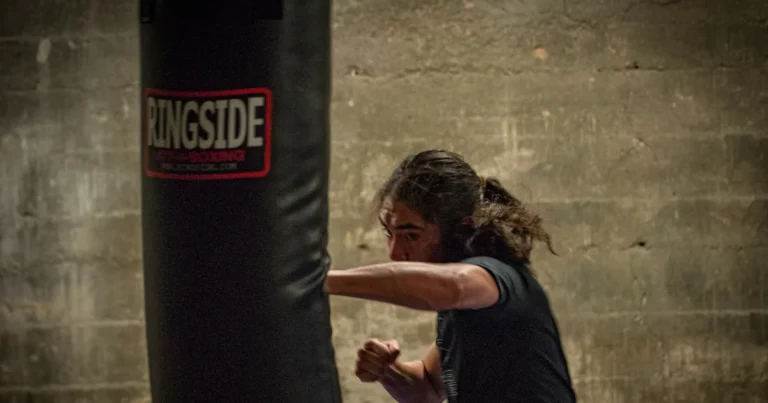
Boxing is the cornerstone of striking in MMA. It’s all about punches—jabs, crosses, hooks, and uppercuts—with an emphasis on footwork, timing, and defense.
Why Boxing is Essential in MMA
- Precision striking: Boxing teaches you how to hit clean and avoid getting hit.
- Head movement and footwork: Crucial for evading strikes and setting up counters.
- Conditioning: Boxing training builds stamina and hand speed.
Boxing’s Role in MMA Strategy
- Most MMA fighters incorporate boxing combos to set up takedowns or finish fights.
- Fighters like Conor McGregor and Jose Aldo have shown how deadly boxing skills can be in MMA.
Boxing Equipment and Training
- Boxing gloves, hand wraps, and heavy bags are staples.
- Brands like Everlast and Winning produce top-tier boxing gear.
CHECK PRICE on Boxing Gloves:
2. Brazilian Jiu-Jitsu: Ground Game Mastery
If you want to understand MMA, you must understand Brazilian Jiu-Jitsu (BJJ). It’s the art of submissions, control, and ground dominance.
Why BJJ is a Game-Changer
- Over 80% of MMA fights end on the ground, making BJJ essential.
- Allows smaller fighters to neutralize larger opponents through leverage and technique.
- Focuses on chokes, joint locks, and positional control.
BJJ Belt System and Training
- Progression from white to black belt takes years of dedication.
- Training involves drilling techniques, sparring (rolling), and live situational training.
MMA Ninja™ Tip:
We’ve seen fighters transform their careers by adding BJJ to their arsenal. It’s not just about submissions but also about defense and escapes.
👉 Shop BJJ Gi and Gear:
3. Muay Thai: The Science of Eight Limbs
Known as the “Art of Eight Limbs,” Muay Thai uses fists, elbows, knees, and shins to deliver devastating strikes.
What Makes Muay Thai Unique?
- Powerful clinch work combined with strikes.
- Conditioning is brutal—fighters develop iron shins and relentless stamina.
- Teaches devastating leg kicks and elbow strikes that can end fights abruptly.
Muay Thai in MMA
- Fighters like Joanna Jedrzejczyk and Valentina Shevchenko showcase Muay Thai’s effectiveness.
- Clinch control and knee strikes are particularly valuable in MMA’s close quarters.
Training and Gear
- Heavy bags, pads, and shin guards are essential.
- Brands like Fairtex and Twins Special are favorites among pros.
CHECK PRICE on Muay Thai Gear:
4. Wrestling Styles: The Backbone of MMA Control
Wrestling is the unsung hero of MMA. Whether it’s folkstyle, freestyle, or Greco-Roman, wrestling provides takedowns, control, and relentless pressure.
Why Wrestling is Crucial
- Controls where the fight takes place—standing or ground.
- Wrestlers often dictate pace and wear down opponents with top control.
- Explosive takedowns and sprawls prevent opponents from striking freely.
Wrestling’s Influence in MMA
- Champions like Daniel Cormier and Khabib Nurmagomedov built their legacies on wrestling dominance.
- Wrestling skills can neutralize dangerous strikers and grapplers alike.
Training Tips
- Focus on explosive drills, sprawls, and clinch work.
- Collegiate wrestling programs and MMA gyms often cross-train wrestlers.
5. Judo: Throws and Takedowns for MMA Dominance
Judo brings powerful throws and submission setups to MMA, especially effective in clinch and close-range situations.
Judo’s MMA Advantages
- Uses opponent’s momentum to execute throws and trips.
- Transitions smoothly into ground control and submissions.
- Great for fighters who want to surprise opponents with dynamic takedowns.
Notable MMA Judokas
- Ronda Rousey famously used Judo throws to dominate the women’s bantamweight division.
- Judo techniques complement wrestling and BJJ well.
Training and Gear
- Judogi (judo uniform) training helps develop grip strength and balance.
- Brands like Mizuno and Adidas offer quality judo gis.
6. Taekwondo: Dynamic Kicks and Footwork
Taekwondo is famous for its fast, flashy kicks and agile footwork. While less common than other styles, it adds a unique striking dimension.
Taekwondo’s MMA Contributions
- Spinning kicks, head kicks, and rapid foot movement can catch opponents off guard.
- Fighters like Stephen Thompson have successfully integrated Taekwondo into MMA.
- Emphasizes distance management and timing.
Training Focus
- Flexibility, speed, and precision kicking drills.
- Sparring to develop timing and counterattacks.
7. Karate: Precision Strikes and Movement
Karate offers sharp, quick strikes and evasive movement that can disrupt an opponent’s rhythm.
Why Karate Works in MMA
- Unorthodox angles and timing confuse opponents.
- Focuses on speed, accuracy, and efficient movement.
- Fighters like Lyoto Machida and Georges St-Pierre have used Karate principles effectively.
Styles Common in MMA
- Shotokan, Kyokushin, and Goju-Ryu are popular Karate styles adapted for MMA.
8. Sambo and Other Lesser-Known Martial Arts in MMA
Sambo, a Russian martial art, combines wrestling and submissions and is gaining traction in MMA.
Sambo’s MMA Edge
- Emphasizes leg locks and explosive takedowns.
- Fighters like Fedor Emelianenko brought Sambo to the world stage.
Other Styles to Know
- Capoeira: flashy, acrobatic kicks, though less practical in MMA.
- Kickboxing: similar to Muay Thai but with different rules and techniques.
- Sanda (Chinese kickboxing): combines striking and wrestling throws.
The Role of Hybrid Styles and Modern MMA Training
Today’s MMA fighters don’t just pick one style—they blend multiple disciplines into a custom hybrid style.
How Fighters Build Their Style
- Start with a base (e.g., wrestling or BJJ).
- Add striking arts like boxing or Muay Thai.
- Incorporate judo or sambo throws for takedown variety.
- Train in strength, conditioning, and mental toughness.
MMA Ninja™ Insight:
We’ve coached fighters who started as wrestlers but became knockout artists by adding boxing and Muay Thai. The key is adaptability and continuous learning.
How Different MMA Styles Influence Fight Strategies
Each style brings unique tools that shape how fighters approach a match.
| Style | Strengths | Typical Strategy | Famous MMA Exponent |
|---|---|---|---|
| Boxing | Punching precision, footwork | Stand-up striking, counterpunching | Conor McGregor |
| Brazilian Jiu-Jitsu | Submissions, ground control | Take down, submit or control opponent | Demian Maia |
| Muay Thai | Clinch, elbows, knees, kicks | Aggressive striking, clinch control | Joanna Jedrzejczyk |
| Wrestling | Takedowns, control | Control fight location, ground and pound | Khabib Nurmagomedov |
| Judo | Throws, trips | Dynamic takedowns, transitions | Ronda Rousey |
| Taekwondo | Kicks, speed | Distance striking, unorthodox attacks | Stephen Thompson |
| Karate | Precision, timing | Counter-striking, movement | Lyoto Machida |
| Sambo | Leg locks, throws | Explosive takedowns, submissions | Fedor Emelianenko |
Choosing Your MMA Style: What Fits Your Personality and Goals?
Not sure which style suits you? Here’s a quick guide:
- Love striking and knockouts? Boxing, Muay Thai, Taekwondo, or Karate.
- Prefer grappling and submissions? Brazilian Jiu-Jitsu, Wrestling, Judo, or Sambo.
- Want a balanced approach? Start with wrestling or BJJ and add striking.
- Enjoy dynamic throws and clinch work? Judo or Muay Thai.
Remember, your body type, athleticism, and mindset also play a huge role. Some fighters thrive as “brawlers,” others as “technicians” or “athletes” (see our featured video for a deep dive on fighter archetypes).
Training Tips for Blending Multiple MMA Disciplines
Step 1: Build a Strong Base
- Pick one primary style to master first (wrestling or BJJ recommended).
Step 2: Add Complementary Skills
- Incorporate striking (boxing or Muay Thai).
- Learn takedowns and throws from wrestling or judo.
Step 3: Cross-Train Regularly
- Rotate training sessions between disciplines.
- Spar and roll with partners from different backgrounds.
Step 4: Focus on Conditioning and Mental Toughness
- MMA demands cardio, strength, and resilience.
- Mental preparation is as important as physical skills.
Common Misconceptions About MMA Styles Debunked
❌ Myth: MMA fighters must be experts in every style.
✅ Fact: Most fighters specialize in one or two styles and cross-train others.
❌ Myth: Only knockout artists win in MMA.
✅ Fact: Many fights end via submission or decision; grappling is equally vital.
❌ Myth: Striking arts are more important than grappling.
✅ Fact: Ground fighting decides most fights; both are essential.
Final Thoughts: Embracing the Diversity of MMA
MMA is a beautifully complex tapestry of martial arts, blending striking, grappling, and strategy. Whether you’re a fan, fighter, or coach, understanding the many types of MMA styles enriches your appreciation and sharpens your skills.
At MMA Ninja™, we encourage you to explore, experiment, and find your unique path in this ever-evolving sport. Remember, the best fighter is the one who adapts, learns, and never stops growing.
Recommended Links for MMA Enthusiasts
- Ultimate Fighting Championship (UFC) – The biggest MMA promotion worldwide.
- Gracie Barra Brazilian Jiu-Jitsu – Leading BJJ schools globally.
- Fairtex Muay Thai – Top Muay Thai gear and training.
- USA Wrestling – Resources for wrestling athletes.
- International Judo Federation – Official judo governing body.
- MMA Ninja™ Fighter Profiles – Learn from the pros.
- MMA Ninja™ Coaching Tips – Improve your training.
FAQ: Your MMA Style Questions Answered

Q: How many types of MMA are there?
A: MMA itself is a hybrid sport, but it draws mainly from 8+ martial arts styles. Fighters blend these to create unique styles.
Q: Can I compete in MMA without knowing all styles?
A: Absolutely! Most fighters specialize and cross-train. Focus on your strengths and improve weaknesses.
Q: Which style is best for self-defense?
A: Brazilian Jiu-Jitsu and Muay Thai are highly effective for real-world scenarios.
Q: How long does it take to become proficient in MMA?
A: It varies, but expect years of dedicated training to compete at a high level.
Reference Links and Resources
- Pallas Athena Women’s Fighting Championship – 6 Different MMA Fighting Styles
- Quora – Types of Knockouts in Boxing and MMA
- NewbornScreening.info – MMA (Methylmalonic Acidemia) Types
- MMA Ninja™ How Many Styles of MMA Are There?
Stay tuned for the conclusion where we’ll wrap up with expert advice on choosing your MMA style and next steps!
Conclusion

After exploring the rich tapestry of martial arts that make up MMA, it’s clear that there isn’t just one type of MMA—there are many, each bringing unique strengths and strategies to the cage. From the precise punches of Boxing to the ground mastery of Brazilian Jiu-Jitsu, the devastating strikes of Muay Thai, and the dynamic throws of Judo, MMA is a constantly evolving fusion of combat arts.
At MMA Ninja™, we’ve seen firsthand how fighters who embrace this diversity and tailor their training to their strengths and goals become the most successful. Whether you’re a striker, grappler, or hybrid, the key is adaptability, consistent training, and smart cross-discipline blending.
If you’re wondering which style to start with, remember:
- Choose a base that suits your personality and physical attributes.
- Add complementary skills to cover your weaknesses.
- Train smart, stay open-minded, and never stop learning.
There’s no “best” style universally—only the best style for you. So, are you ready to find your MMA path and unleash your inner ninja? 🥋🔥
Recommended Links for MMA Gear and Learning 📦
Ready to gear up or deepen your knowledge? Here are some top products and resources we trust:
-
Everlast Boxing Gloves:
Amazon Everlast Boxing Gloves | Everlast Official Website -
Winning Boxing Gloves:
Amazon Winning Boxing Gloves | Winning Official Website -
Shoyoroll BJJ Gi:
Amazon Shoyoroll BJJ Gi | Shoyoroll Official Website -
Fairtex Muay Thai Gear:
Amazon Fairtex Gear | Fairtex Official Website -
Twins Special Muay Thai Gear:
Amazon Twins Special Gear | Twins Special Official Website -
Mizuno Judo Gi:
Amazon Mizuno Judo Gi | Mizuno Official Website -
Recommended MMA Books:
- The Fighter’s Mind by Sam Sheridan: Amazon Link
- Mixed Martial Arts: The Book of Knowledge by BJ Penn and Glen Cordoza: Amazon Link
FAQ: Your MMA Style Questions Answered

How can beginners choose the best MMA style to learn?
Choosing your MMA style depends on your personal goals, body type, and interests. Beginners should start with a strong base like Brazilian Jiu-Jitsu or wrestling for grappling, or boxing or Muay Thai for striking. Cross-training is essential to cover all aspects. Try different classes, watch fights, and see what resonates with your style and personality.
What is the history behind mixed martial arts?
MMA’s roots trace back to ancient combat sports like pankration in Greece. Modern MMA emerged in the early 1990s with the UFC, showcasing fighters from various disciplines competing under unified rules. The sport has since evolved into a global phenomenon, blending striking, grappling, and submissions.
How do MMA rules vary between organizations?
While most MMA organizations follow the Unified Rules of Mixed Martial Arts, there are variations:
- UFC uses a 5-round format for title fights, 3 rounds for others.
- ONE Championship incorporates different weight classes and hydration tests.
- Bellator sometimes uses tournament formats.
Rules on elbows, knees, and clinch fighting can vary slightly, but safety and fairness remain priorities.
Which martial arts disciplines are most effective in MMA?
The most effective martial arts in MMA are those that cover both striking and grappling:
- Brazilian Jiu-Jitsu for ground control and submissions.
- Wrestling for takedowns and positional dominance.
- Boxing and Muay Thai for striking power and precision.
- Judo and Sambo for throws and clinch work.
Effectiveness depends on how well a fighter integrates these disciplines.
What are the common weight classes in MMA?
Common MMA weight classes include:
- Flyweight (up to 125 lbs)
- Bantamweight (126–135 lbs)
- Featherweight (136–145 lbs)
- Lightweight (146–155 lbs)
- Welterweight (156–170 lbs)
- Middleweight (171–185 lbs)
- Light Heavyweight (186–205 lbs)
- Heavyweight (206–265 lbs)
Weight classes ensure fair competition and fighter safety.
How is MMA different from traditional martial arts?
MMA is a hybrid combat sport combining multiple martial arts under a unified rule set, allowing striking, grappling, and submissions. Traditional martial arts often focus on specific techniques or philosophies with varying rules and limitations. MMA emphasizes practicality and effectiveness in a competitive environment.
What are the popular MMA fighting techniques?
Popular MMA techniques include:
- Striking: jab, cross, hook, uppercut, leg kicks, elbows, knees.
- Grappling: double-leg takedown, single-leg takedown, clinch control.
- Submissions: rear-naked choke, armbar, guillotine choke, triangle choke.
- Defensive skills: sprawls, head movement, guard retention.
What are the common types of MMA competitions?
Common MMA competition types include:
- Professional bouts under organizations like UFC, Bellator, ONE Championship.
- Amateur MMA with modified rules and protective gear.
- Grappling-only tournaments focusing on BJJ or submission wrestling.
- Specialized events like cage fighting, kickboxing, or hybrid rule sets.
How do striking and grappling styles differ in MMA?
Striking styles focus on stand-up combat, using punches, kicks, elbows, and knees. Grappling styles emphasize control on the ground, including takedowns, positional dominance, and submissions. MMA fighters must blend both to succeed.
How do various martial arts contribute to MMA?
Each martial art contributes unique skills:
- Boxing and Muay Thai provide striking power and precision.
- Brazilian Jiu-Jitsu offers submission techniques and ground control.
- Wrestling controls fight location and pace.
- Judo and Sambo add throws and clinch techniques.
Together, they create a versatile and dynamic fighting system.
How do I get started with MMA training and what are the basics I need to know?
Start by finding a reputable MMA gym with experienced coaches. Begin with fundamentals:
- Learn basic striking (boxing or Muay Thai).
- Develop grappling skills (BJJ or wrestling).
- Work on conditioning and flexibility.
- Understand MMA rules and safety protocols.
Consistency and patience are key.
Reference Links and Resources
- Pallas Athena Women’s Fighting Championship – 6 Different MMA Fighting Styles
- Quora – Types of Knockouts in Boxing and MMA
- NewbornScreening.info – MMA (Methylmalonic Acidemia)
- Ultimate Fighting Championship (UFC)
- Gracie Barra Brazilian Jiu-Jitsu
- Fairtex Muay Thai Gear
- USA Wrestling
- International Judo Federation
- MMA Ninja™ Fighter Profiles
- MMA Ninja™ Coaching Tips
Ready to start your MMA journey armed with knowledge and confidence? Let’s get training! 🥋🔥