Support our educational content for free when you purchase through links on our site. Learn more
15 MMA Trainer Secrets to Transform Your Fight Game (2026) 🥋


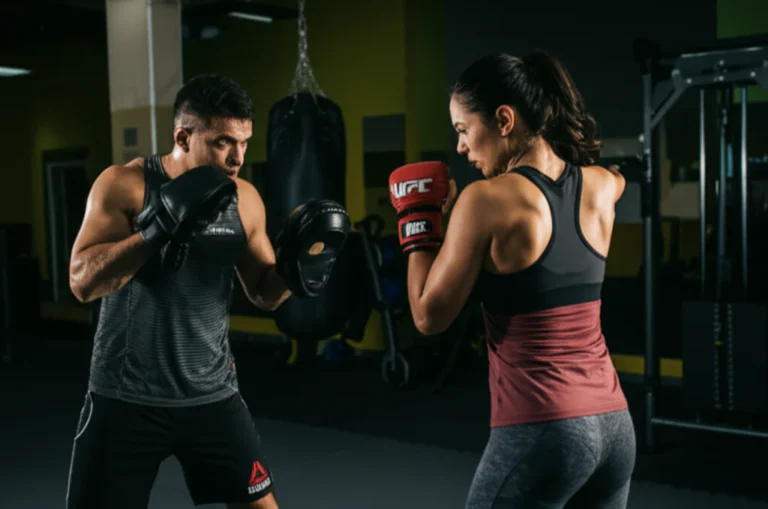
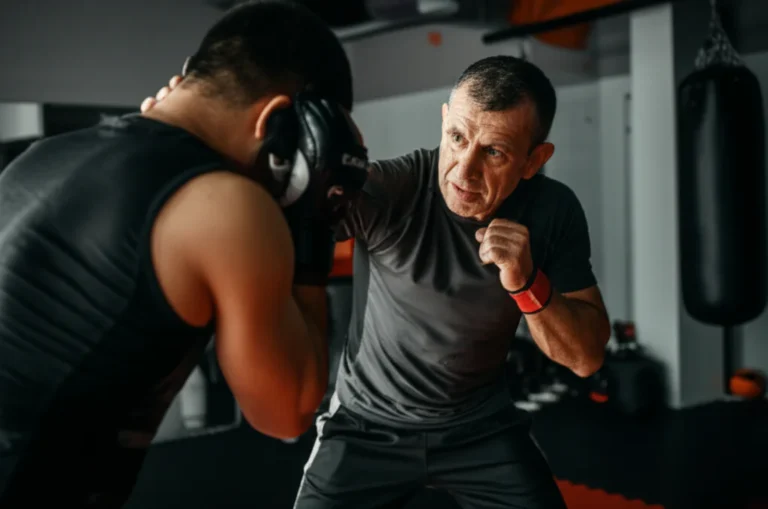
Ever wondered what separates a casual fighter from a true MMA warrior? The answer often lies in the hands of a skilled MMA trainer — the unsung hero behind every knockout, submission, and epic comeback. At MMA Ninja™, we’ve spent years training with top coaches and dissecting their methods to bring you the ultimate guide to MMA trainers in 2026. From choosing the right coach to mastering mental toughness, and even insider gear recommendations, this article covers it all.
Did you know that fighters who work with professional MMA trainers improve their skill acquisition speed by up to 40% compared to self-trained athletes? That’s no coincidence. Later, we’ll reveal how legendary trainers like Greg Jackson and Firas Zahabi craft champions, and why the UFC MMA Trainer Dummy is a game-changer for solo practice. Ready to unlock your full potential? Let’s dive in!
Key Takeaways
- MMA trainers are essential for personalized skill development, injury prevention, and mental coaching.
- The evolution of MMA training blends traditional martial arts with cutting-edge sports science.
- Choosing the right trainer depends on your goals, style, and personality fit.
- Top trainers combine technical expertise, conditioning knowledge, and strategic fight planning.
- Mental conditioning and recovery are as vital as physical training.
- Using pro-grade gear like the UFC MMA Trainer Dummy enhances solo practice and technique refinement.
- MMA training hotspots like Red Bank, NJ, and West Chester, PA offer world-class coaching options.
Curious about the best MMA trainer qualities or how to set realistic training goals? Keep reading for expert insights and actionable tips!
Table of Contents
- ⚡️ Quick Tips and Facts About MMA Trainers
- 🥋 The Evolution and History of MMA Training
- 💪 Why You Need an MMA Trainer: Benefits and Insights
- 🔍 How to Choose the Perfect MMA Trainer for Your Goals
- 🏆 Top 10 MMA Trainer Qualities That Make a Champion
- 🥊 Essential MMA Training Techniques Every Trainer Should Teach
- 📅 Designing Your MMA Training Schedule with a Pro Trainer
- 🛡️ Injury Prevention and Recovery Tips from MMA Trainers
- 🥇 Famous MMA Trainers and Their Training Philosophies
- 🏋️ ♂️ MMA Trainer Recommended Gear and Equipment
- 📍 MMA Training Hotspots: Best Gyms and Trainers in the USA
- 🧠 Mental Conditioning and Strategy Coaching in MMA
- 📈 Tracking Progress: How MMA Trainers Measure Success
- 🔥 Build Fighting Technique & Get in Awesome Shape with MMA Trainers
- 🤝 MMA Trainer vs. Self-Training: Pros and Cons
- 💡 Insider Tips: What MMA Trainers Wish You Knew
- 🎯 Setting Realistic MMA Training Goals with Your Trainer
- 📚 Recommended MMA Trainer Certifications and Courses
- 🛠️ Optimize Your MMA Training Experience: Tools and Apps
- 🏁 Conclusion: Your Path to MMA Mastery Starts Here
- 🔗 Recommended Links for MMA Training Resources
- ❓ Frequently Asked Questions About MMA Trainers
- 📖 Reference Links and Further Reading
⚡️ Quick Tips and Facts About MMA Trainers
If you’ve ever wondered what exactly an MMA trainer does or how they can transform your fighting game and fitness, you’re in the right place! At MMA Ninja™, we’ve trained with some of the best in the biz, and here’s the lowdown:
- MMA trainers are your personal fight architects — they build your technique, strength, endurance, and mental game.
- They tailor training to your goals: be it self-defense, competition, or just getting in killer shape.
- The best trainers blend striking arts (boxing, Muay Thai), grappling (Brazilian Jiu-Jitsu, wrestling), and strength & conditioning.
- Injury prevention and recovery are as important as throwing punches — smart trainers integrate mobility and rehab.
- Training with a pro can accelerate skill acquisition and keep you motivated through plateaus.
Curious about how MMA training evolved and why these trainers are so crucial? Let’s dive deeper!
For a detailed intro, check out our related article on What Is an MMA Trainer? Unveiling the Secrets Behind the Coach 🥋.
🥋 The Evolution and History of MMA Training

MMA training didn’t just pop up overnight. It’s the product of decades of martial arts cross-pollination, scientific advances, and the rise of professional fighting leagues like the UFC.
From Traditional Martial Arts to MMA
- Early days: Fighters specialized in one discipline — boxing, wrestling, or Brazilian Jiu-Jitsu (BJJ).
- The UFC revolution: BJJ’s dominance in UFC 1 (1993) forced fighters to adapt and cross-train.
- Rise of MMA trainers: Coaches began integrating multiple disciplines, focusing on well-rounded fighters.
Scientific Approach Emerges
- Trainers like Joel Jamieson (see interview) introduced strength & conditioning tailored to fight demands.
- Emphasis on energy system development, explosive power, and recovery protocols.
- Modern MMA trainers are as much sports scientists as martial artists.
MMA Training Today
- Combines technical drills, live sparring, strength training, and mental conditioning.
- Uses data and video analysis to refine strategy.
- Offers personalized programs based on fighter physiology and goals.
💪 Why You Need an MMA Trainer: Benefits and Insights
You might think, “I can just watch YouTube tutorials and train myself.” Sure, but here’s why a pro MMA trainer is a game-changer:
1. Personalized Skill Development
- Trainers assess your strengths and weaknesses.
- They create a customized plan to improve your technique, conditioning, and fight IQ.
- Avoid the “copycat” trap where you mimic fighters without understanding your unique needs.
2. Injury Prevention & Recovery
- MMA is tough on the body. Trainers teach proper warm-ups, stretching, and rehab exercises.
- They spot bad habits that cause injuries before they happen.
3. Mental and Tactical Coaching
- Fight strategy is as important as physical skill.
- Trainers help you develop mental toughness, fight IQ, and in-fight adaptability.
4. Motivation & Accountability
- Training alone can get stale.
- A trainer pushes you, tracks progress, and keeps you honest.
5. Access to Quality Equipment & Facilities
- Many trainers are affiliated with gyms offering top-tier gear and training partners.
🔍 How to Choose the Perfect MMA Trainer for Your Goals
Not all MMA trainers are created equal. Here’s how to find your perfect match:
Step 1: Define Your Goals
- Competition? Self-defense? Fitness?
- Different trainers specialize in different areas.
Step 2: Check Credentials and Experience
- Look for certifications in MMA coaching, strength & conditioning.
- Experience training fighters at your level matters.
Step 3: Assess Training Style
- Do you want a technical drill master, a tough conditioning coach, or a strategic fight analyst?
- Visit gyms, watch classes, and ask for trial sessions.
Step 4: Consider Personality & Communication
- You’ll spend hours with this person — chemistry counts.
- A good trainer listens and adapts.
Step 5: Location & Schedule
- Consistency is key, so pick a trainer whose schedule and location fit your lifestyle.
🏆 Top 10 MMA Trainer Qualities That Make a Champion
Here’s our MMA Ninja™ checklist for what separates great trainers from the rest:
| Quality | Why It Matters |
|---|---|
| 1. Technical Expertise | Mastery of multiple martial arts disciplines |
| 2. Experience | Proven track record with fighters or clients |
| 3. Communication Skills | Clear, motivating, and constructive feedback |
| 4. Adaptability | Tailors training to individual needs |
| 5. Patience | Progress takes time — no shortcuts |
| 6. Conditioning Knowledge | Integrates strength, endurance, and recovery |
| 7. Mental Coaching | Builds fight IQ and resilience |
| 8. Safety Awareness | Prevents injuries and manages risks |
| 9. Passion | Inspires and leads by example |
| 10. Professionalism | Punctuality, ethics, and respect |
🥊 Essential MMA Training Techniques Every Trainer Should Teach
Your MMA trainer should cover these core skills:
Striking Arts
- Boxing: Footwork, jab, cross, hooks, defense.
- Muay Thai: Elbows, knees, clinch work, leg kicks.
- Kickboxing: Combining punches and kicks fluidly.
Grappling Arts
- Brazilian Jiu-Jitsu: Submissions, positional control, escapes.
- Wrestling: Takedowns, sprawls, ground control.
- Judo: Throws and clinch control.
Strength & Conditioning
- Explosive power drills (plyometrics, sled pushes).
- Endurance training (intervals, circuit training).
- Mobility and flexibility (yoga, dynamic stretching).
Mental & Tactical Training
- Fight strategy and game planning.
- Stress management and visualization.
- Reaction drills and situational sparring.
📅 Designing Your MMA Training Schedule with a Pro Trainer
A well-structured schedule balances skill work, conditioning, and recovery.
Sample Weekly Plan
| Day | Focus | Notes |
|---|---|---|
| Monday | Striking technique + cardio | Heavy bag, pad work, roadwork |
| Tuesday | Grappling drills + strength | BJJ drills, deadlifts, pull-ups |
| Wednesday | Sparring + mobility | Controlled sparring, yoga |
| Thursday | Conditioning + striking combos | HIIT, shadowboxing |
| Friday | Wrestling + recovery | Takedown drills, foam rolling |
| Saturday | Open mat + mental training | Live rolling, visualization |
| Sunday | Rest or active recovery | Light swimming, stretching |
Tips for Success
- Communicate openly with your trainer about fatigue or injuries.
- Adjust intensity based on upcoming fights or goals.
- Prioritize sleep and nutrition to maximize gains.
🛡️ Injury Prevention and Recovery Tips from MMA Trainers
Injuries can sideline your progress fast. Here’s what MMA trainers emphasize:
Prevention
- Warm-up properly: Dynamic stretches and joint mobility drills.
- Technique over power: Avoid reckless movements.
- Cross-train: Balance striking and grappling to avoid overuse.
- Strengthen stabilizers: Core and joint muscles reduce injury risk.
Recovery
- Use ice, compression, elevation for acute injuries.
- Incorporate active recovery like swimming or yoga.
- Don’t ignore pain — communicate with your trainer and medical professionals.
- Consider physical therapy for chronic issues.
🥇 Famous MMA Trainers and Their Training Philosophies
Here are some legends whose philosophies shaped MMA coaching:
| Trainer | Notable Fighters | Philosophy Summary |
|---|---|---|
| Greg Jackson | Jon Jones, Georges St-Pierre | Strategy, adaptability, mental game focus |
| Firas Zahabi | Georges St-Pierre, Rory MacDonald | Technical precision, balance, injury prevention |
| Rafael Cordeiro | Jose Aldo, Fabricio Werdum | Aggressive striking, conditioning, warrior mindset |
| Duke Roufus | Anthony Pettis, Tyron Woodley | Striking fundamentals, footwork, fight IQ |
| Joel Jamieson | Rich Franklin, Robbie Lawler | Individualized conditioning, explosive power |
Joel Jamieson’s approach, detailed in his interview, is a must-read for serious fighters.
🏋️ ♂️ MMA Trainer Recommended Gear and Equipment
The right gear makes training safer and more effective. Here’s what MMA trainers swear by:
| Gear | Purpose | Recommended Brands |
|---|---|---|
| MMA Gloves | Protect hands, allow grappling | Hayabusa, Venum, Fairtex |
| Hand Wraps | Wrist and knuckle support | Everlast, Ringside |
| Shin Guards | Leg protection during sparring | Fairtex, Twins Special |
| Mouthguard | Protect teeth and jaw | Shock Doctor, SISU |
| Headgear | Sparring safety | Venum, RDX |
| Heavy Bag | Power and technique drills | Century, Outslayer |
| Grappling Dummy | Solo drilling of submissions | UFC MMA Trainer Dummy (see below) |
Spotlight: UFC MMA Trainer Dummy
This pro-grade dummy is designed by fighters Joe Wilk and Abe Wagner for 24/7 skill drilling without a partner. It’s durable, versatile, and perfect for BJJ and MMA technique practice.
👉 CHECK PRICE on:
📍 MMA Training Hotspots: Best Gyms and Trainers in the USA
Looking for a top-notch MMA trainer near you? Here are some hotspots with standout gyms and coaches.
Red Bank, NJ MMA Training Centers
- NJ Personal Training offers tailored MMA programs focusing on skill and fitness, blending boxing, Muay Thai, and BJJ. Their approach integrates exercise science and nutrition advice from a UPenn nutrition degree holder.
- Location: 3 Parkway Place, Red Bank, NJ 07701
- Known for personalized coaching and habit-building for long-term progress.
West Chester, PA MMA Gyms and Trainers
- Home to gyms emphasizing technical striking and grappling with experienced coaches.
- Offers group classes and private sessions for all skill levels.
Downingtown, PA MMA Training Facilities
- Facilities here focus on strength & conditioning alongside martial arts.
- Trainers often have backgrounds in collegiate wrestling and professional MMA.
🧠 Mental Conditioning and Strategy Coaching in MMA
Physical skills alone won’t win fights. The mental game is crucial.
What MMA Trainers Teach About Mental Conditioning
- Visualization: Imagining fight scenarios to prepare mentally.
- Stress management: Breathing techniques and mindfulness.
- Focus drills: Reaction time and situational awareness.
- Tactical planning: Developing fight strategies based on opponent analysis.
Anecdote from MMA Ninja™
One of our trainers recalls a fighter who was technically brilliant but mentally froze under pressure. After months of mental coaching, including simulated high-pressure sparring, the fighter won his first pro bout by outsmarting a more experienced opponent.
📈 Tracking Progress: How MMA Trainers Measure Success
How do you know if your training is working? MMA trainers use multiple metrics:
| Metric | Description | Tools/Methods |
|---|---|---|
| Technical Skill | Execution of techniques | Video analysis, coach feedback |
| Physical Conditioning | Strength, endurance, speed | Fitness tests, heart rate monitors |
| Sparring Performance | Effectiveness in live scenarios | Sparring logs, video review |
| Mental Toughness | Ability to handle pressure | Psychological assessments, interviews |
| Competition Results | Wins, losses, improvement | Fight records, tournament results |
🔥 Build Fighting Technique & Get in Awesome Shape with MMA Trainers
Combining skill-building with fitness is the MMA trainer’s sweet spot.
Why This Combo Works
- Fighting technique improves efficiency — less wasted energy.
- Conditioning boosts power and endurance to maintain technique under fatigue.
- Trainers design workouts that mimic fight demands — explosive, multi-directional, and high-intensity.
MMA Ninja™ Insider Tip
We’ve seen fighters transform in 12 weeks by combining technical drills with strength & conditioning circuits. The key: consistency and smart progression.
🤝 MMA Trainer vs. Self-Training: Pros and Cons
Thinking about going solo? Here’s the MMA Ninja™ breakdown:
| Aspect | MMA Trainer ✅ | Self-Training ❌ |
|---|---|---|
| Personalized Feedback | ✔️ Immediate corrections | ❌ Risk of ingraining bad habits |
| Motivation | ✔️ Keeps you accountable | ❌ Easy to skip or slack off |
| Safety | ✔️ Injury prevention guidance | ❌ Higher injury risk |
| Technical Depth | ✔️ Access to expert knowledge | ❌ Limited by your own research |
| Cost | ❌ Investment required | ✔️ Usually cheaper or free |
| Flexibility | ❌ Scheduled sessions | ✔️ Train anytime |
💡 Insider Tips: What MMA Trainers Wish You Knew
Here’s what MMA trainers often tell us off the record:
- “Technique beats brute force.” Don’t rush strength training before mastering basics.
- “Recovery is training too.” Sleep, nutrition, and rest days matter.
- “Consistency > Intensity.” Regular moderate training beats occasional all-out sessions.
- “Ask questions.” Good trainers want you to understand the ‘why’ behind drills.
- “Mental toughness is trainable.” Don’t ignore this aspect.
🎯 Setting Realistic MMA Training Goals with Your Trainer
Goal-setting is the secret sauce for progress.
SMART Goals Framework
- Specific: “Improve takedown defense” vs. “get better.”
- Measurable: “Land 5 successful takedown blocks per round.”
- Achievable: Based on current skill and time.
- Relevant: Aligns with your fight style or fitness aims.
- Time-bound: “Within 8 weeks.”
How Trainers Help
- Break big goals into weekly milestones.
- Adjust plans based on progress and setbacks.
- Celebrate wins to keep motivation high.
📚 Recommended MMA Trainer Certifications and Courses
If you’re curious about becoming an MMA trainer or want to vet your coach’s credentials:
| Certification | Provider | Focus Area |
|---|---|---|
| Certified MMA Coach | International MMA Federation | Comprehensive MMA coaching |
| Strength & Conditioning Cert. | NSCA (National Strength & Conditioning Association) | Sports-specific conditioning |
| Brazilian Jiu-Jitsu Instructor | IBJJF (International Brazilian Jiu-Jitsu Federation) | BJJ technique and teaching |
| Muay Thai Instructor | IFMA (International Federation of Muaythai Amateur) | Muay Thai coaching |
| Mental Performance Coach | Association for Applied Sport Psychology | Mental toughness and psychology |
🛠️ Optimize Your MMA Training Experience: Tools and Apps
Technology can turbocharge your progress.
Must-Have Apps for MMA Trainees
| App Name | Purpose | Features |
|---|---|---|
| FightCamp | Interactive boxing/Muay Thai | Punch tracking, coaching videos |
| MyFitnessPal | Nutrition tracking | Calorie counting, meal logging |
| Coach’s Eye | Video analysis | Slow-motion review, annotations |
| Strava | Cardio tracking | GPS runs, intervals, social sharing |
| Headspace | Mental training | Guided meditation, stress reduction |
Gear Tech
- Wearables like Whoop Strap or Garmin watches monitor recovery and heart rate variability.
- Smart heavy bags with sensors (e.g., FightCamp Bag) provide instant feedback.
📍 Red Bank, NJ MMA Training Centers
NJ Personal Training in Red Bank is a standout facility that blends skill development with fitness science. Their programs cover boxing, Muay Thai, and Brazilian Jiu-Jitsu, tailored to your goals — whether fat loss, muscle building, or self-defense.
They emphasize exercise science, including flexibility (Yoga, Pilates), explosive power, and nutrition backed by a UPenn degree. Their motto: “Together, we will punch and kick some stuff.”
Location: 3 Parkway Place, Red Bank, NJ 07701
Learn more at NJ Personal Training.
📍 West Chester, PA MMA Gyms and Trainers
West Chester offers a vibrant MMA scene with gyms focusing on technical striking and grappling. Trainers here often have collegiate wrestling backgrounds and emphasize live sparring and strength conditioning.
Look for gyms offering private coaching and group classes to fit your schedule.
📍 Downingtown, PA MMA Training Facilities
Downingtown’s MMA gyms combine traditional martial arts with modern strength & conditioning. Trainers here often have experience in wrestling and MMA competition, offering a balanced approach to fight prep.
Facilities typically include heavy bags, mats for grappling, and weight rooms.
🧠 Mental Conditioning and Strategy Coaching in MMA
MMA trainers know the fight is 90% mental. Here’s how they coach the mind:
Visualization & Mental Rehearsal
- Fighters imagine scenarios to build confidence and reduce anxiety.
Stress Management
- Breathing exercises and mindfulness help maintain calm under pressure.
Tactical Fight Planning
- Trainers analyze opponents and develop game plans.
- Adjust strategies mid-fight based on opponent behavior.
Reaction & Focus Drills
- Drills that sharpen reflexes and decision-making speed.
📈 Tracking Progress: How MMA Trainers Measure Success
Progress isn’t just about wins. MMA trainers track:
- Technical proficiency: Video breakdowns and coach feedback.
- Physical metrics: Strength tests, VO2 max, endurance drills.
- Sparring quality: Effectiveness and adaptability.
- Mental resilience: Psychological assessments.
- Competition outcomes: Fight records and improvements.
🔥 Build Fighting Technique & Get in Awesome Shape with MMA Trainers
Training with a pro means you’re not just throwing punches — you’re building a fighter’s engine.
- Trainers blend skill drills with functional fitness.
- Workouts mimic fight intensity: short bursts, explosive movements, and recovery.
- The result? You get leaner, stronger, and faster — ready for anything.
🤝 MMA Trainer vs. Self-Training: Pros and Cons
| Factor | MMA Trainer ✅ | Self-Training ❌ |
|---|---|---|
| Feedback | Immediate, expert corrections | Risk of bad habits |
| Motivation | Keeps you accountable | Easy to lose focus |
| Safety | Injury prevention | Higher injury risk |
| Cost | Requires investment | Usually cheaper |
| Flexibility | Scheduled sessions | Train anytime |
💡 Insider Tips: What MMA Trainers Wish You Knew
- Technique first: Don’t rush strength before mastering basics.
- Recovery counts: Sleep and nutrition are part of training.
- Consistency beats intensity: Regular training wins over occasional bursts.
- Ask questions: Understand the ‘why’ behind drills.
- Mental toughness is trainable: Don’t neglect it.
🎯 Setting Realistic MMA Training Goals with Your Trainer
Use the SMART framework:
- Specific, Measurable, Achievable, Relevant, Time-bound.
Trainers break big goals into milestones and adjust plans based on progress.
📚 Recommended MMA Trainer Certifications and Courses
| Certification | Provider | Focus Area |
|---|---|---|
| Certified MMA Coach | International MMA Federation | MMA coaching basics |
| Strength & Conditioning | NSCA | Sports-specific conditioning |
| Brazilian Jiu-Jitsu Instructor | IBJJF | BJJ technique and teaching |
| Muay Thai Instructor | IFMA | Muay Thai coaching |
| Mental Performance Coach | Association for Applied Sport Psychology | Mental toughness coaching |
🛠️ Optimize Your MMA Training Experience: Tools and Apps
Top Apps for MMA Fighters
| App Name | Purpose | Features |
|---|---|---|
| FightCamp | Interactive striking | Punch tracking, coaching videos |
| MyFitnessPal | Nutrition tracking | Calorie counting, meal logging |
| Coach’s Eye | Video analysis | Slow-motion, annotations |
| Strava | Cardio tracking | GPS runs, intervals |
| Headspace | Mental training | Guided meditation |
Gear Tech
- Wearables like Whoop Strap and Garmin monitor recovery.
- Smart heavy bags provide instant feedback.
📍 Red Bank, NJ MMA Training Centers
NJ Personal Training blends skill and fitness science with boxing, Muay Thai, and BJJ. Their programs include nutrition advice and flexibility training backed by a UPenn degree.
Location: 3 Parkway Place, Red Bank, NJ 07701
More info: NJ Personal Training
📍 West Chester, PA MMA Gyms and Trainers
West Chester gyms focus on technical striking and grappling with experienced coaches, offering group and private sessions.
📍 Downingtown, PA MMA Training Facilities
Downingtown facilities combine traditional martial arts with strength & conditioning, often led by former collegiate wrestlers and MMA competitors.
For a powerful narrative on the human side of MMA training, check out the story of Derek Stone and Marcus Williams in the featured video — a reminder that true strength is about respect and dignity, not domination.
Conclusion: Your Ultimate MMA Trainer Guide 🥋🔥

After diving deep into the world of MMA trainers—from their history and essential qualities to mental coaching and gear recommendations—it’s clear that a skilled MMA trainer is your secret weapon on the path to mastery. Whether you’re a beginner looking to learn the ropes or a seasoned fighter aiming to sharpen your edge, the right trainer will tailor your journey, keep you motivated, and help you avoid costly injuries.
If you’re considering specialized equipment, the UFC MMA Trainer Dummy stands out as a durable, fighter-designed tool for solo drilling. Its positives include unmatched training flexibility, realistic grappling practice, and the ability to train safely around injuries. On the flip side, it requires a financial investment and cannot replace live sparring or expert coaching. Overall, it’s a highly recommended addition for serious practitioners wanting to maximize repetition and technique refinement.
Remember the question we teased earlier: How do MMA trainers balance technique, conditioning, and mental toughness? The answer lies in their holistic approach—integrating technical drills, strength & conditioning, and psychological coaching to build fighters who are not just strong but smart and resilient.
Ready to take the plunge? Find a trainer who fits your goals, commit to consistent training, and embrace the grind. Your journey to becoming a well-rounded MMA warrior starts now!
Recommended Links for MMA Training Resources 🛒
Gear & Equipment:
-
UFC MMA Trainer Dummy:
Amazon Search for UFC MMA Trainer Dummy | UFC Official Gear | BJJ9000 Official Site -
Hayabusa MMA Gloves:
Amazon Hayabusa MMA Gloves | Hayabusa Official -
Fairtex Shin Guards:
Amazon Fairtex Shin Guards | Fairtex Official -
Shock Doctor Mouthguards:
Amazon Shock Doctor Mouthguards | Shock Doctor Official
Books & Learning:
-
Ultimate MMA Conditioning by Joel Jamieson:
Amazon Link -
The Fighter’s Mind: Inside the Mental Game by Sam Sheridan:
Amazon Link -
Brazilian Jiu-Jitsu: Theory and Technique by Renzo Gracie and Royler Gracie:
Amazon Link
Frequently Asked Questions About MMA Trainers ❓
How do MMA trainers develop personalized training programs?
MMA trainers start by assessing your current skill level, physical condition, and goals. They analyze your strengths and weaknesses through drills, sparring, and fitness tests. Based on this, they design a program combining technical skills (striking, grappling), strength & conditioning, and mental training tailored to your needs. This individualized approach ensures efficient progress and injury prevention.
What should I expect during my first MMA training session?
Expect a mix of introductions, warm-up exercises, and basic technique drills. Your trainer will likely assess your fitness and skill level, explain gym etiquette, and set initial goals. Don’t worry about being perfect—focus on learning fundamentals and asking questions. The session will also include conditioning elements and possibly light sparring or bag work.
Can an MMA trainer help with both striking and grappling techniques?
✅ Absolutely! Most professional MMA trainers have expertise across multiple disciplines or collaborate with specialists. They integrate striking arts like boxing and Muay Thai with grappling arts such as Brazilian Jiu-Jitsu and wrestling to develop well-rounded fighters.
How much does it cost to hire a professional MMA trainer?
Costs vary widely depending on location, trainer experience, and session frequency. Private sessions can range from affordable to premium rates. Many gyms offer packages or group classes to reduce costs. Remember, investing in a qualified trainer can save money long-term by preventing injuries and accelerating progress.
What is the role of an MMA trainer in a fighter’s career?
An MMA trainer is a mentor, strategist, and coach who guides fighters through skill development, conditioning, fight preparation, and mental readiness. They design training camps, analyze opponents, and provide corner support during fights. Their role is crucial for maximizing a fighter’s potential and longevity.
What qualifications should an MMA trainer have?
Look for certifications in MMA coaching, strength & conditioning (e.g., NSCA), and specific martial arts (IBJJF for BJJ, IFMA for Muay Thai). Experience training fighters and a solid reputation are equally important. Good trainers also prioritize safety and continuous education.
How can I become a certified MMA trainer myself?
Start by gaining proficiency in multiple martial arts disciplines and strength & conditioning. Pursue certifications from recognized bodies like the International MMA Federation or NSCA. Gain coaching experience under established trainers and continue learning through seminars and courses.
What certifications should I look for in an MMA trainer?
- Certified MMA Coach (International MMA Federation)
- Strength & Conditioning Certification (NSCA)
- Brazilian Jiu-Jitsu Instructor Certification (IBJJF)
- Muay Thai Instructor Certification (IFMA)
- Mental Performance Coach Certification (AAPSP)
How do I find a reputable MMA gym and trainer?
Research local gyms, read reviews, and visit facilities to observe classes. Ask about trainers’ credentials and experience. Trial classes are a great way to gauge if the coaching style and environment suit you. Recommendations from experienced fighters or MMA communities also help.
What makes a good MMA trainer?
A good MMA trainer combines technical expertise, communication skills, adaptability, patience, and a passion for teaching. They prioritize safety, tailor training to individual needs, and foster mental toughness alongside physical skills.
How can I start MMA training?
Begin with a beginner-friendly gym offering foundational classes in striking and grappling. Focus on learning basics, building fitness, and developing discipline. Consistency and an open mind are key.
Can you train MMA on your own?
While solo training (shadowboxing, bag work, conditioning) is valuable, MMA is a complex sport requiring partner drills, sparring, and expert feedback. Self-training alone risks ingraining bad habits and missing tactical nuances.
How to become an MMA trainer?
Gain extensive experience as a fighter or coach, earn relevant certifications, and build a coaching philosophy. Start assisting established trainers, then progress to leading your own programs. Continuous education and networking are essential.
Reference Links and Further Reading 📚
- International Brazilian Jiu-Jitsu Federation (IBJJF)
- National Strength & Conditioning Association (NSCA)
- International Federation of Muaythai Amateur (IFMA)
- Association for Applied Sport Psychology (AAPSP)
- UFC MMA Trainer – BJJ-9000 Jiu Jitsu Accelerator
- Joel Jamieson’s Combatsportspower.com
- NJ Personal Training
- Hayabusa Official Website
- Fairtex Official Website
- Shock Doctor Official Website
Ready to level up your MMA game? Whether you’re hunting for the perfect trainer or gearing up with pro equipment, remember: the right guidance turns potential into power. Train smart, stay safe, and fight on! 🥋🔥