Support our educational content for free when you purchase through links on our site. Learn more
Can You Train MMA on Your Own? 9 Expert Tips to Succeed 🥋 (2025)

Ever wondered if you can truly master MMA without stepping foot in a gym or sparring with a partner? Imagine training like a UFC champ—right in your living room—building knockout power, lightning-fast footwork, and ironclad mental toughness. Sounds like a dream, right? Well, at MMA Ninja™, we’ve seen fighters transform their skills solo, using nothing but grit, smart training, and a few key tools. But is solo MMA training enough to make you fight-ready? Spoiler alert: it’s a powerful start, but there’s more to the story.
In this article, we dive deep into whether you can train MMA on your own, breaking down the pros and cons, must-have skills you can develop solo, essential gear, and how to avoid common pitfalls. Plus, we share inspiring success stories and reveal when it’s time to bring in a coach or hit the gym. Ready to unlock your inner warrior? Let’s get into it!
Key Takeaways
- You can absolutely train MMA solo to build fundamentals, conditioning, and mental toughness—but live sparring and coaching remain essential for advanced skills.
- Focus on solo drills like shadowboxing, heavy bag work, and grappling dummy techniques to develop striking and grappling basics safely.
- Invest in essential gear such as heavy bags, gloves, jump ropes, and grappling dummies to maximize your home training effectiveness.
- Leverage technology: online tutorials, apps, and virtual coaching can guide your technique and keep you motivated.
- Safety first: avoid risky live sparring alone and prioritize injury prevention with proper warm-ups and gear.
- Mental conditioning and visualization are hidden weapons you can sharpen during solo training.
- Know when to seek a coach or gym to break plateaus and gain live feedback.
Ready to gear up?
- Shop MMA Training Gear: Everlast Heavy Bags | Venum MMA Gloves | Century Grappling Dummies
Unlock your full MMA potential—solo or not!
Table of Contents
- ⚡️ Quick Tips and Facts About Training MMA Solo
- 🥋 The Evolution of MMA Training: From Gyms to Home Workouts
- 1️⃣ Can You Really Train MMA on Your Own? Pros and Cons
- 2️⃣ Essential MMA Skills You Can Develop Solo
- 3️⃣ The Ultimate MMA Home Workout Routine: Build Strength, Speed & Stamina
- 4️⃣ What MMA Training Gear Do You Need for Effective Solo Practice?
- 5️⃣ How to Use Technology and Online Resources for MMA Self-Training
- 6️⃣ Avoiding Common Pitfalls: Safety Tips for Solo MMA Training
- 7️⃣ Mental Conditioning and Mindset: The Hidden Edge in MMA Solo Training
- 8️⃣ When to Seek a Coach or Join a Gym: Knowing Your Limits
- 9️⃣ Success Stories: Real Fighters Who Started Training MMA Alone
- 🔗 Recommended Links for MMA Solo Training Resources
- ❓ Frequently Asked Questions About Training MMA Solo
- 📚 Reference Links and Further Reading
- 🏁 Conclusion: Can You Train MMA on Your Own? Our Final Verdict
⚡️ Quick Tips and Facts About Training MMA Solo
Training MMA on your own? Sounds like a wild ride, right? Well, buckle up! At MMA Ninja™, we’ve seen fighters start from zero with just a pair of gloves and a dream — and go on to crush it. Here are some quick facts and insider tips to get you started:
- ✅ You absolutely can train MMA solo, but it requires discipline, creativity, and smart use of resources.
- ❌ However, self-training can’t fully replace sparring and live partner drills — those are essential for timing, reflexes, and real fight experience.
- ✅ Focus on conditioning, technique drills, shadowboxing, and bag work to build a solid foundation.
- ✅ Use video tutorials, online coaching, and apps to guide your technique and track progress.
- ✅ Safety first! Without a coach or partner, avoid risky moves like full-contact sparring or submissions that can cause injury.
- ✅ Mental toughness and consistency are your secret weapons — training alone builds both.
Fun fact: UFC legend Georges St-Pierre once said, “Training alone forces you to be your own coach, your own motivator, and your own critic.” That’s a triple threat! Want to learn more about coaching yourself? Check out our MMA Trainer guide.
🥋 The Evolution of MMA Training: From Gyms to Home Workouts
MMA started as a no-holds-barred spectacle, but training has evolved into a science. Traditionally, fighters trained in specialized gyms with coaches, sparring partners, and access to multiple martial arts disciplines. But what happens when you don’t have a gym nearby?
The Rise of Home MMA Training
- The internet revolutionized access to MMA knowledge — YouTube tutorials, online classes, and virtual coaches make it possible to learn anywhere.
- Fighters in remote areas or with busy schedules increasingly rely on home training to build skills and conditioning.
- The COVID-19 pandemic accelerated this trend, pushing gyms to close and fighters to innovate with solo workouts.
Why Home Training Works
- You control your schedule and environment — no waiting for partners or coaches.
- You can focus deeply on fundamentals without distractions.
- It encourages self-discipline and self-awareness — crucial traits for any fighter.
But don’t forget: MMA is a contact sport. Eventually, you’ll want to test your skills with live training. For a deep dive into MMA’s history and training evolution, visit our MMA History category.
1️⃣ Can You Really Train MMA on Your Own? Pros and Cons
Let’s get real. Training MMA solo is like trying to learn to swim without water — possible, but tricky. Here’s the lowdown:
| Aspect | Pros ✅ | Cons ❌ |
|---|---|---|
| Skill Development | Master basics like striking, footwork, and conditioning | Limited live sparring and grappling practice |
| Flexibility | Train anytime, anywhere | No immediate feedback on technique |
| Cost | Save on gym fees and travel | May need to invest in equipment |
| Safety | Control intensity, reduce injury risk | Risk of developing bad habits without correction |
| Motivation | Build self-discipline and mental toughness | Can feel lonely, risk of burnout |
Our take? Solo training is a fantastic way to start or supplement your MMA journey, but it’s not a complete replacement for coached sessions. If you want to fast-track your progress, consider hybrid training — home workouts plus occasional gym visits.
2️⃣ Essential MMA Skills You Can Develop Solo
Wondering what you can actually learn without a partner? Plenty! Here’s what you can focus on:
Striking Fundamentals
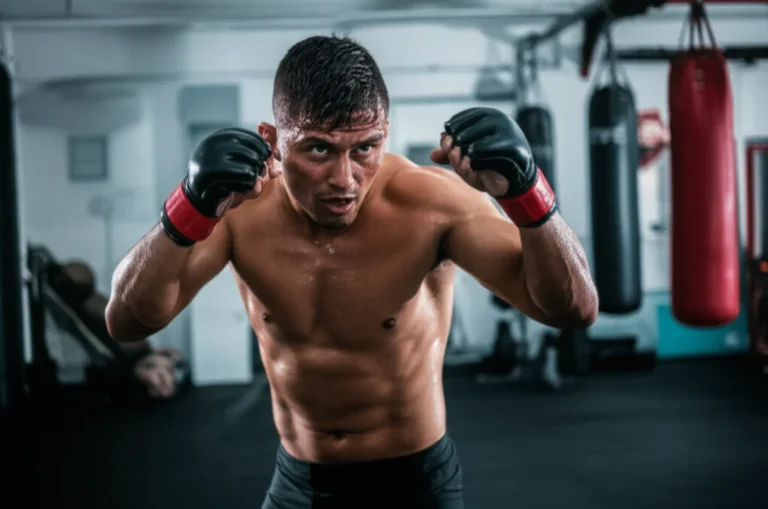
- Shadowboxing: Perfect your punches, kicks, elbows, and knees while moving fluidly. Use a mirror or record yourself for form checks.
- Heavy Bag Work: Build power, speed, and endurance. Brands like Everlast and Century offer durable bags perfect for home gyms.
- Footwork Drills: Ladder drills, cone drills, and jump rope improve agility and balance.
Conditioning and Strength
- Bodyweight Exercises: Push-ups, burpees, planks, mountain climbers — all build fight-ready endurance.
- Plyometrics: Jump squats, box jumps, and explosive movements develop fast-twitch muscles.
- Core Training: Medicine ball twists, leg raises, and planks strengthen your base.
Grappling Basics
- Solo Drills: Shrimping, bridging, and technical stand-ups can be practiced alone to build muscle memory.
- Grappling Dummy: Investing in a grappling dummy (like the Century BOB or Combat Sports Grappling Dummy) lets you drill submissions and positional control safely.
Mental Skills
- Visualization, breathing techniques, and meditation sharpen focus and fight IQ.
3️⃣ The Ultimate MMA Home Workout Routine: Build Strength, Speed & Stamina
Ready to sweat? Here’s a step-by-step MMA home workout inspired by top trainers and UFC conditioning programs:
| Round | Duration | Exercises (10 reps each unless noted) | Focus |
|---|---|---|---|
| 1 | 5 min | Jump rope, shadowboxing combos | Warm-up, cardio |
| 2 | 5 min | Dumbbell press, goblet squats, leg lifts | Strength & endurance |
| 3 | 5 min | Push-ups, one-arm dumbbell rows, rear delt flyes | Upper body strength |
| 4 | 5 min | Burpees, single-leg glute bridges | Explosiveness & core |
| 5 | 5 min | Side plank (hold as long as possible), mountain climbers | Core stability |
Rest: 60 seconds between rounds, repeat 2-3 cycles for a 45-60 minute session.
Pro Tips
- Mix in heavy bag rounds focusing on punches, kicks, knees, and elbows.
- Use interval training to simulate fight pace — 30 seconds max effort, 30 seconds rest.
- Don’t skip cool-down stretches to maintain flexibility and prevent injury.
For a detailed video guide, check out this UFC-inspired home workout.
4️⃣ What MMA Training Gear Do You Need for Effective Solo Practice?
You don’t need a fancy gym to train MMA, but some gear makes life easier and safer. Here’s our MMA Ninja™ recommended equipment list for home training:
| Equipment | Purpose | Recommended Brands |
|---|---|---|
| Heavy Bag | Power, accuracy, endurance | Everlast, Century, Ringside |
| Hand Wraps & Gloves | Protect hands during striking | Venum, Hayabusa, Fairtex |
| Jump Rope | Cardiovascular conditioning | Rogue, WOD Nation |
| Grappling Dummy | Solo grappling drills | Century BOB, Combat Sports |
| Kettlebells/Dumbbells | Strength & explosive power | Bowflex, CAP Barbell |
| Foam Roller | Muscle recovery and injury prevention | TriggerPoint, RumbleRoller |
| Mirror | Technique self-check | Any full-length mirror |
Why These?
- Heavy bags let you practice combinations with resistance and feedback.
- Hand wraps and gloves protect your wrists and knuckles during impact.
- Jump ropes are inexpensive and boost footwork and cardio.
- Grappling dummies let you drill submissions and positional control safely.
- Weights build power crucial for takedowns and clinch work.
- Foam rollers help you recover faster and avoid injury.
👉 Shop MMA gear on:
5️⃣ How to Use Technology and Online Resources for MMA Self-Training
The digital age is your best friend when training solo. Here’s how to leverage tech:
Online Classes and Tutorials
- Platforms like BJJ Fanatics, Gracie University, and FightCamp offer structured courses.
- YouTube channels such as FightTips, Nick and Nate Diaz’s training videos, and Bas Rutten’s MMA Tutorials provide free, high-quality content.
Apps for Tracking and Guidance
- MMA Spartan System app offers workouts and technique breakdowns.
- MyFitnessPal helps track nutrition and weight goals.
- Coach’s Eye lets you record and analyze your technique.
Virtual Coaching
- Many MMA coaches offer Zoom or Skype private sessions, providing personalized feedback.
- Join online communities like Reddit’s r/MMAtraining or MMA forums to ask questions and share progress.
Tech Gadgets
- Wearable heart rate monitors (Garmin, Polar) help optimize conditioning.
- Smart punching bags like the FightCamp Bag track strikes and provide interactive workouts.
6️⃣ Avoiding Common Pitfalls: Safety Tips for Solo MMA Training
Training alone is empowering but comes with risks. Here’s how to stay safe:
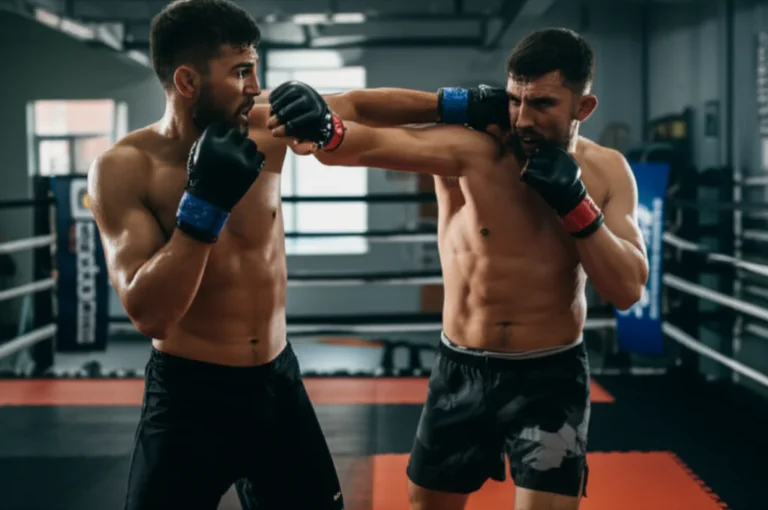
- ❌ Don’t attempt live sparring or submissions without supervision. Injuries happen fast.
- ✅ Warm up thoroughly to prevent muscle strains and joint injuries.
- ✅ Use proper protective gear even during solo drills (gloves, wraps).
- ✅ Avoid overtraining — rest days are crucial for recovery.
- ✅ Record your sessions to spot bad habits before they become permanent.
- ✅ If you feel pain beyond normal soreness, stop and consult a professional.
Remember, injury prevention is as important as skill development. For more on coaching and injury prevention, see our MMA Coaching section.
7️⃣ Mental Conditioning and Mindset: The Hidden Edge in MMA Solo Training
MMA is as much a mental game as a physical one. Training solo gives you a unique chance to develop your mindset:
Visualization Techniques
- Imagine fight scenarios, visualize executing techniques perfectly.
- Mental rehearsal improves confidence and reaction time.
Building Discipline
- Set daily goals and track progress religiously.
- Use training journals or apps to stay accountable.
Meditation and Breathing
- Practice mindfulness to manage fight anxiety and improve focus.
- Techniques like box breathing or Wim Hof method enhance oxygen efficiency.
Self-Motivation Hacks
- Find a training mantra or motivational quote.
- Join online MMA communities for support and camaraderie.
At MMA Ninja™, we believe mental toughness separates champions from contenders. Want to explore MMA philosophy? Check out our Mixed Martial Arts Philosophy category.
8️⃣ When to Seek a Coach or Join a Gym: Knowing Your Limits
Training solo is fantastic, but there’s a time and place for professional guidance:
Signs You Need a Coach or Gym
- You plateau and stop improving technique or conditioning.
- You want to spar safely and get live feedback.
- You need to correct bad habits that self-training can’t fix.
- You’re preparing for competition and need fight-specific coaching.
- You want access to training partners and diverse martial arts styles.
How to Choose the Right Gym or Coach
- Look for certified instructors with MMA experience.
- Check reviews and visit classes before committing.
- Consider your goals: fitness, competition, self-defense.
- Ask about class sizes, training schedules, and atmosphere.
Hybrid Approach
- Combine solo training with gym sessions for best results.
- Use home workouts for conditioning and fundamentals; gym for sparring and advanced techniques.
9️⃣ Success Stories: Real Fighters Who Started Training MMA Alone
Believe it or not, some top fighters began their journey solo:
Mark Lajhner
- Undefeated MMA fighter and coach who started training in Serbia with limited gym access.
- Developed a methodical approach to learning MMA by writing down techniques and drilling solo.
- Now coaches thousands worldwide with his Beginner’s MMA Blueprint.
- Learn more about his story and training philosophy here.
Other Fighters
- Many grassroots fighters in remote areas use online resources and home gyms to build skills before joining professional gyms.
- Some UFC fighters credit early solo training for building self-discipline and creativity.
Your story could be next! Start smart, stay consistent, and keep learning.
🔗 Recommended Links for MMA Solo Training Resources
- BJJ Fanatics — Online Brazilian Jiu-Jitsu courses.
- Gracie University — Learn BJJ from the Gracie family.
- FightCamp — Interactive boxing and MMA workouts.
- FightTips YouTube Channel — Free striking tutorials.
- Century Martial Arts — Gear and training equipment.
- MMA Spartan System App — MMA workout plans and tutorials.
- Reddit r/MMAtraining — Community for MMA training discussions.
❓ Frequently Asked Questions About Training MMA Solo
Q: Can I learn grappling without a partner?
A: You can practice solo drills and use a grappling dummy for technique, but live sparring is essential to develop timing and resistance.
Q: How often should I train MMA alone?
A: Aim for 4-6 sessions per week, balancing conditioning, technique, and rest.
Q: Is shadowboxing really effective?
A: Absolutely! It improves technique, footwork, and fight visualization.
Q: What if I don’t have space for a heavy bag?
A: No worries! Use bodyweight conditioning, shadowboxing, and jump rope. You can also consider freestanding bags or resistance bands.
Q: How do I stay motivated training alone?
A: Set clear goals, track progress, join online communities, and mix up your workouts to avoid boredom.
📚 Reference Links and Further Reading
- WebMD on MMA Health Benefits
- VeryWellFit MMA Home Workout Guide
- Made4Fighters MMA Home Training Program
- MMACoach.net Beginner MMA Blueprint
- Study on Boxing Head Injuries
Ready to take your solo MMA training to the next level? Keep these insights close, stay consistent, and remember: every champion started somewhere — sometimes, all alone. Stay tuned for our final verdict in the Conclusion!
🏁 Conclusion: Can You Train MMA on Your Own? Our Final Verdict
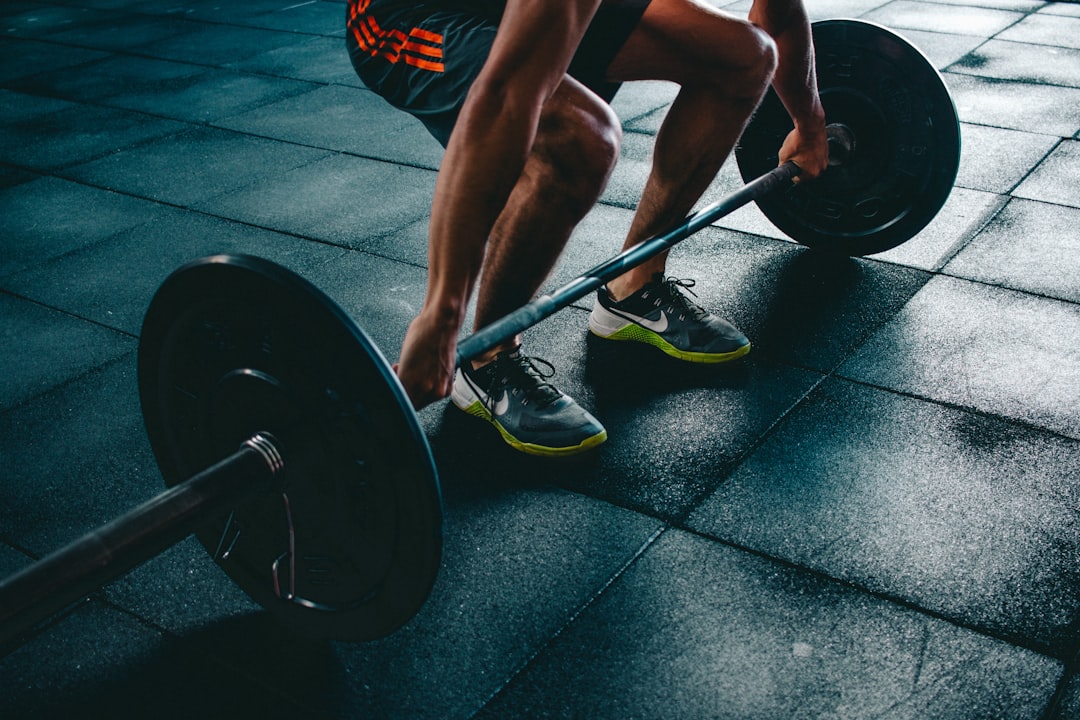
So, can you really train MMA solo? The answer is a confident YES — with some important caveats. Training MMA on your own is absolutely possible and can be incredibly effective for building foundational skills, conditioning, and mental toughness. At MMA Ninja™, we’ve seen countless fighters sharpen their craft through disciplined solo training, leveraging technology, and smart workout routines.
Positives of Solo MMA Training:
- Flexibility: Train anytime, anywhere, on your own schedule.
- Cost-effective: No gym fees or travel expenses.
- Self-discipline: Builds mental toughness and self-motivation.
- Skill Development: Great for striking drills, conditioning, footwork, and solo grappling drills with a dummy.
- Safety: You control intensity and reduce injury risk without live sparring.
Negatives to Consider:
- Lack of live sparring and partner feedback limits timing, reflex, and real-fight experience.
- Risk of developing bad habits without expert correction.
- Potential for isolation and motivation dips without a training community.
Our recommendation? Use solo training as a powerful foundation and supplement to your MMA journey. Combine it with occasional gym sessions, coaching, or sparring to round out your skills. Embrace the digital tools, invest in essential gear like a heavy bag and grappling dummy, and stay consistent. Your MMA dreams are within reach — even if you start alone!
Remember Georges St-Pierre’s words: “Be your own coach, motivator, and critic.” Own your journey, and the cage will be yours to conquer.
🔗 Recommended Links for MMA Gear and Learning Resources
👉 Shop MMA Training Gear:
- Heavy Bags & Punching Bags:
- Hand Wraps & Gloves:
- Grappling Dummies:
- Jump Ropes & Conditioning Tools:
- Foam Rollers:
Top MMA Training Books:
- The Fighter’s Mind by Sam Sheridan — Amazon Link
- Mastering Mixed Martial Arts by Greg Jackson — Amazon Link
- The Way of the Fight by Georges St-Pierre — Amazon Link
Online Training Platforms:
❓ Frequently Asked Questions About Training MMA Solo
How do I start training MMA at home with no experience?
Starting MMA solo can feel overwhelming, but begin with the basics:
- Focus on conditioning: Jump rope, bodyweight exercises (push-ups, burpees), and core workouts build your fight fitness.
- Learn fundamental striking: Shadowbox daily, practice punches and kicks in front of a mirror or record yourself.
- Drill solo grappling movements: Shrimping, bridging, and technical stand-ups build muscle memory.
- Use online tutorials: Follow beginner-friendly courses from trusted sources like FightTips or BJJ Fanatics.
- Create a routine: Consistency beats intensity. Start with 3-4 sessions per week, gradually increasing.
Above all, prioritize safety and patience. Progress takes time!
Can you learn MMA without a gym or trainer to guide you?
Yes, but with limitations. Without a coach or gym:
- You can master fundamentals, improve fitness, and build mental discipline.
- You lack live feedback and sparring partners, which are crucial for timing, distance, and reaction skills.
- To compensate, use video analysis, online coaching, and training partners when possible.
- Eventually, seek professional guidance to correct bad habits and advance your skills.
Think of solo training as laying the foundation — the gym and coach help you build the house.
What are the best solo drills for improving MMA skills and techniques?
Some of the most effective solo drills include:
- Shadowboxing: Practice combinations, footwork, head movement, and visualization.
- Heavy bag work: Develop power, accuracy, and endurance.
- Footwork drills: Ladder drills, cone drills, and jump rope to improve agility.
- Solo grappling drills: Shrimping, bridging, technical stand-up, and using a grappling dummy for positional drills.
- Plyometric exercises: Jump squats, burpees, and explosive push-ups to build fight explosiveness.
Incorporate these into a balanced weekly routine for maximum gains.
Is it possible to get good at MMA by training alone and watching online tutorials?
You can get very good at the basics and conditioning, but MMA is a contact sport requiring live interaction:
- Online tutorials provide technical knowledge and drills.
- Solo training builds fitness, technique, and mental toughness.
- However, sparring and live drilling with partners are irreplaceable for timing, reflexes, and fight IQ.
- Many successful fighters start solo but transition to gyms for advanced training.
Use online resources as a launchpad, not the finish line.
How do I stay motivated when training MMA alone?
Staying motivated solo can be tough. Here’s how:
- Set clear, achievable goals (e.g., master jab-cross combo, improve endurance).
- Track progress with training logs or apps.
- Join online MMA communities for support and accountability.
- Mix up workouts to avoid boredom.
- Reward yourself for milestones.
- Visualize your success and remind yourself why you started.
📚 Reference Links and Further Reading
- VeryWellFit: The MMA Workout You Can Do at Home
- Made4Fighters: MMA Home Training Program for Beginners
- MMACoach.net: How to Learn MMA Without a Gym
- WebMD: Health Benefits of MMA
- Study on Head Injuries in Boxing
- Everlast Official Website
- Venum Official Website
- Century Martial Arts
Training MMA on your own is a thrilling challenge — one that builds not just your body but your mind. With the right tools, mindset, and resources, you can carve your own path to greatness. Ready to start? Let’s get to work! 🥋🔥