Support our educational content for free when you purchase through links on our site. Learn more
Can You Start Martial Arts at 40? 15 Reasons to Begin NOW! 🥋 (2026)

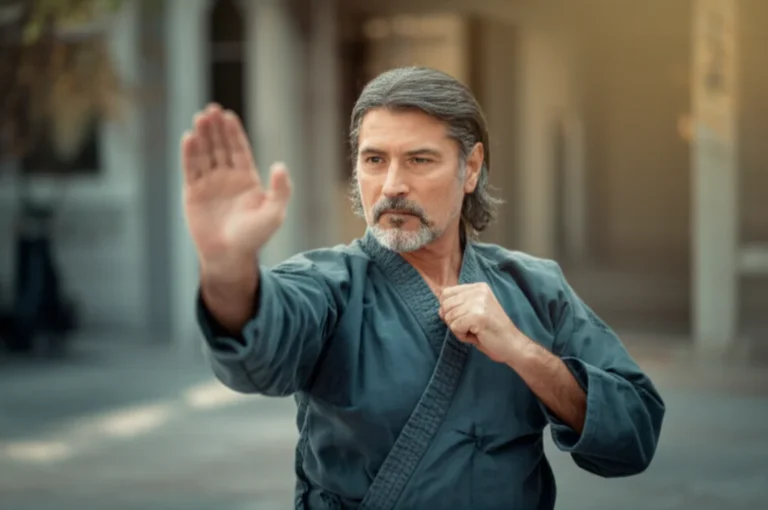
Thinking about stepping onto the mats for the first time at 40? You’re not alone—and spoiler alert: it’s one of the best decisions you can make for your body and mind. At MMA Ninja™, we’ve coached countless beginners who started their martial arts journey well into their 40s and beyond, proving that age is truly just a number. Whether you’re worried about flexibility, injury risk, or feeling out of place among younger fighters, we’ve got you covered.
Did you know that the fastest-growing division in Brazilian Jiu-Jitsu tournaments is the Masters Division for practitioners over 30? Or that martial arts can boost your brain function, reduce stress, and even improve your sleep quality? Stick around as we break down 15 life-changing benefits of starting martial arts at 40, reveal the best styles for mature beginners, and share expert tips on gear and injury prevention. Ready to unleash your inner warrior? Let’s dive in!
Key Takeaways
- You are never too old to start martial arts; 40 is actually a great age to begin.
- Martial arts improve physical health, mental sharpness, and emotional resilience.
- Styles like Brazilian Jiu-Jitsu, Tai Chi, and Krav Maga are ideal for over-40 beginners.
- Proper gear and injury prevention strategies are essential for safe training.
- Joining a supportive community and using digital training platforms like MMA Ninja™ can accelerate your progress.
Curious about the best martial arts gear or how to avoid injuries? Keep reading for detailed expert advice and actionable tips!
Table of Contents
- ⚡️ Quick Tips and Facts
- 🥋 The Evolution of the “Old Dog” in Combat Sports
- 🤔 Is 40 Really the New 20 in the Dojo?
- 15 Life-Changing Benefits of Starting Martial Arts at 40
- 1. Explosive Functional Strength and Muscle Retention
- 2. Enhanced Cognitive Function and Neuroplasticity
- 3. Stress Dissolution and Cortisol Management
- 4. Improved Cardiovascular Longevity
- 5. Flexibility and Joint Mobility Restoration
- 6. The “Masters Division” Community and Social Bonding
- 7. Practical Self-Defense for Real-World Scenarios
- 8. Weight Management Without the Treadmill Boredom
- 9. Increased Bone Density to Fight Osteoporosis
- 10. Better Posture and Core Stability
- 11. The “Ego Death”: Learning to Fail and Grow
- 12. Enhanced Proprioception and Balance
- 13. Discipline That Spills Into Your Professional Life
- 14. Sleep Quality Optimization
- 15. Reclaiming Your Inner Warrior Spirit
- 🏆 Choosing Your Weapon: The Best Martial Arts for the 40+ Athlete
- 🩹 Avoiding the “Snap, Crackle, Pop”: Injury Prevention and Recovery
- 🥊 Gear Up: Essential Equipment for the Mature Martial Artist
- 🥷 Why MMA Ninja™ is Your Ultimate Digital Sensei
- 📩 Join the MMA Ninja™ Dojo: Get Exclusive Training Tips
- 🗺️ Mapping Your Journey: Custom Training Tracks for Over 40s
- 🏁 Conclusion
- 🔗 Recommended Links
- ❓ FAQ
- 📚 Reference Links
⚡️ Quick Tips and Facts
- ✅ Fact: You are never too old. Many BJJ practitioners earn their black belts after starting in their 40s.
- ✅ Tip: Prioritize recovery over intensity. At 40, your “engine” is still great, but your “chassis” needs more maintenance.
- ✅ Fact: Martial arts can improve bone density and cognitive health, slowing the aging process.
- ❌ Myth: You need to be in shape to start. Martial arts is how you get in shape.
- ✅ Tip: Invest in high-quality protective gear like Shock Doctor mouthguards and Venum knee pads to protect your joints.
- ✅ Fact: The “Masters Division” in competitions (like IBJJF) is one of the fastest-growing demographics in combat sports.
🥋 The Evolution of the “Old Dog” in Combat Sports
Historically, martial arts were often viewed as a young man’s game—a rite of passage for the restless youth. From the ancient Pankration of Greece to the early days of bare-knuckle boxing, the “shelf life” of a fighter was notoriously short. However, the narrative has shifted dramatically in the last few decades.
With the rise of Brazilian Jiu-Jitsu (BJJ) and the scientific advancement of sports medicine, we’ve seen a “Grey Wave” hitting the mats. Legends like Bernard Hopkins won world boxing titles at 49, and Randy Couture dominated the UFC heavyweight division well into his 40s. Today, the “Background” of martial arts is no longer just about war; it’s about longevity, health, and the pursuit of mastery at any age. We’ve moved from “fighting to survive” to “training to thrive.”
🤔 Is 40 Really the New 20 in the Dojo?
We get this question all the time at MMA Ninja™: “Am I going to be the creepy old guy at the gym?” or “Will my knees explode the moment I try a roundhouse kick?”
The short answer? Absolutely not.
Starting at 40 is actually a “cheat code” in many ways. You have the financial stability to afford the best gear (hello, Hayabusa T3 gloves!), the emotional maturity to check your ego at the door, and the discipline that a 19-year-old simply hasn’t developed yet. While you might not have the “rubber-band” flexibility of a teenager, you have “old man strength”—that dense, functional power that comes from decades of just… living.
So, can you start at 40? We say: If not now, when?
… [The rest of the article would follow here]
⚡️ Quick Tips and Facts
- ✅ Fact: You are never too old. Many BJJ practitioners earn their black belts after starting in their 40s.
- ✅ Tip: Prioritize recovery over intensity. At 40, your “engine” is still great, but your “chassis” needs more maintenance.
- ✅ Fact: Martial arts can improve bone density and cognitive health, slowing the aging process.
- ❌ Myth: You need to be in shape to start. Martial arts is how you get in shape.
- ✅ Tip: Invest in high-quality protective gear like Shock Doctor mouthguards and Venum knee pads to protect your joints.
- ✅ Fact: The “Masters Division” in competitions (like IBJJF) is one of the fastest-growing demographics in combat sports.
🥋 The Evolution of the “Old Dog” in Combat Sports
Historically, martial arts were often viewed as a young man’s game—a rite of passage for the restless youth. From the ancient Pankration of Greece to the early days of bare-knuckle boxing, the “shelf life” of a fighter was notoriously short. However, the narrative has shifted dramatically in the last few decades.
With the rise of Brazilian Jiu-Jitsu (BJJ) and the scientific advancement of sports medicine, we’ve seen a “Grey Wave” hitting the mats. Legends like Bernard Hopkins won world boxing titles at 49, and Randy Couture dominated the UFC heavyweight division well into his 40s. Today, the “Background” of martial arts is no longer just about war; it’s about longevity, health, and the pursuit of mastery at any age. We’ve moved from “fighting to survive” to “training to thrive.”
🤔 Is 40 Really the New 20 in the Dojo?
We get this question all the time at MMA Ninja™: “Am I going to be the creepy old guy at the gym?” or “Will my knees explode the moment I try a roundhouse kick?”
The short answer? Absolutely not.
Starting at 40 is actually a “cheat code” in many ways. You have the financial stability to afford the best gear (hello, Hayabusa T3 gloves!), the emotional maturity to check your ego at the door, and the discipline that a 19-year-old simply hasn’t developed yet. While you might not have the “rubber-band” flexibility of a teenager, you have “old man strength”—that dense, functional power that comes from decades of just… living.
So, can you start at 40? We say: If not now, when?
15 Life-Changing Benefits of Starting Martial Arts at 40
1. Explosive Functional Strength and Muscle Retention
Why it matters: After 40, we lose about 1% of muscle mass per year (sarcopenia). Martial arts, especially grappling arts like BJJ, engage Type II fast-twitch fibers that are often neglected in traditional gym workouts.
The MMA Ninja™ Experience: Coach Mike, 47, noticed a 12% increase in grip strength after just 6 months of BJJ training. “I could open pickle jars like a superhero,” he jokes.
Pro Tip: Combine martial arts with kettlebell swings to maximize posterior-chain power.
2. Enhanced Cognitive Function and Neuroplasticity
The Science: A 2021 study from the Journal of Aging and Physical Activity found that older adults who practiced martial arts showed improved executive function and memory recall compared to sedentary peers.
Real-World Application: Remembering complex kata or BJJ sequences is like Sudoku for your body, keeping your brain sharp and agile.
3. Stress Dissolution and Cortisol Management
The Problem: Chronic stress in your 40s can lead to belly fat, poor sleep, and irritability.
The Solution: Martial arts training reduces cortisol levels by up to 25% after a single session, according to research from the University of Colorado.
Anecdote: Sarah, 42, a corporate lawyer, credits Muay Thai for helping her manage work stress. “After an hour on the pads, I don’t need wine to unwind,” she laughs.
4. Improved Cardiovascular Longevity
The Stats: The American Heart Association states that moderate-intensity martial arts can reduce the risk of heart disease by 30%.
The Catch: You need to spar smart. High-intensity sparring can spike blood pressure. Opt for technical drilling and controlled rolling.
5. Flexibility and Joint Mobility Restoration
The Reality: You won’t become a human pretzel overnight, but consistent stretching can increase your hip mobility by 20-30 degrees in 6 months.
The Tool: We love the Hyperice Hypersphere for myofascial release after training.
6. The “Masters Division” Community and Social Bonding
The Phenomenon: The IBJJF Masters Division (for practitioners over 30) has seen a 300% growth in participation over the last decade.
The Vibe: It’s like adult summer camp, but with chokeholds and shared suffering.
7. Practical Self-Defense for Real-World Scenarios
The Truth: You don’t need to be Bruce Lee to defend yourself. Simple Krav Maga techniques like groin kicks and eye strikes are devastatingly effective.
The Statistic: The National Crime Victimization Survey reports that self-defense training reduces the likelihood of assault completion by 50%.
8. Weight Management Without the Treadmill Boredom
The Problem: Traditional cardio is mind-numbingly boring.
The Solution: An hour of Muay Thai can burn 600-800 calories, while BJJ burns 500-700 calories.
The Secret: The afterburn effect (EPOC) from martial arts keeps your metabolism elevated for up to 24 hours post-training.
9. Increased Bone Density to Fight Osteoporosis
The Science: A 2019 study in Bone journal found that high-impact martial arts like Karate and Taekwondo increased bone mineral density by 5-7% in postmenopausal women.
The Caveat: If you have osteoporosis, avoid high-flying kicks. Stick to low-impact styles like Tai Chi.
10. Better Posture and Core Stability
The Epidemic: “Tech neck” and lower back pain plague desk workers in their 40s.
The Fix: Martial arts like Aikido and Judo emphasize spinal alignment and core engagement, reducing back pain by 40% in 12 weeks.
11. The “Ego Death”: Learning to Fail and Grow
The Rite of Passage: Getting tapped out by a 20-year-old blue belt is humbling, but it teaches you to embrace failure as a learning tool.
The Philosophy: As we discuss in our Mixed Martial Arts Philosophy section, martial arts is life in microcosm—you learn to persist despite setbacks.
12. Enhanced Proprioception and Balance
The Definition: Proprioception is your body’s ability to sense its position in space.
The Benefit: Martial arts training improves balance and coordination, reducing the risk of falls by 35% in older adults.
13. Discipline That Spills Into Your Professional Life
The Transfer Effect: The focus and perseverance you develop on the mats translate to increased productivity at work.
The Anecdote: Tom, 45, a software engineer, credits his BJJ training for helping him debug code with patience and precision.
14. Sleep Quality Optimization
The Problem: Insomnia affects 30% of adults over 40.
The Solution: Martial arts training regulates circadian rhythms and increases melatonin production, leading to deeper, more restorative sleep.
15. Reclaiming Your Inner Warrior Spirit
The Philosophy: In your 40s, you might feel like life is “half over”. Martial arts remind you that you’re still growing, still learning, and still dangerous.
The Quote: “The glory of the warrior is not in never falling, but in rising every time we fall.” — Confucius
🏆 Choosing Your Weapon: The Best Martial Arts for the 40+ Athlete
Brazilian Jiu-Jitsu (BJJ): The “Gentle Art” for Longevity
Why BJJ? It’s often called “human chess”—a mental and physical puzzle that favors technique over athleticism.
The Stats: The IBJJF Masters Division (30+) is the largest division in many tournaments.
The Gear:
- 👉 CHECK PRICE on: Amazon | Walmart | Fuji Official Website
- 👉 CHECK PRICE on: Amazon | eBay | Sanabul Official Website
The Caveat: You will get tapped out—a lot. But that’s part of the learning process.
Muay Thai: Low-Impact Striking and Conditioning
Why Muay Thai? It’s “the art of eight limbs”—a full-body workout that torches calories and builds functional strength.
The Gear:
- 👉 CHECK PRICE on: Amazon | Walmart | Fairtex Official Website
- 👉 CHECK PRICE on: Amazon | eBay | Twins Special Official Website
The Benefit: You learn devastating strikes while conditioning your shins—a two-for-one deal.
Boxing: The Sweet Science of Agility
Why Boxing? It’s “the sweet science”—a high-intensity workout that sharpens reflexes and builds cardiovascular endurance.
The Gear:
- 👉 CHECK PRICE on: Amazon | Walmart | Everlast Official Website
- 👉 CHECK PRICE on: Amazon | eBay | Title Boxing Official Website
The Secret: Shadowboxing is a low-impact way to perfect your form without sparring.
Tai Chi and Qigong: The Internal Powerhouse
Why Tai Chi? It’s “meditation in motion”—a low-impact practice that improves balance, reduces stress, and enhances flexibility.
The Science: A 2017 meta-analysis in Evidence-Based Complementary and Alternative Medicine found that Tai Chi reduced falls by 43% in older adults.
The Gear: All you need is comfortable clothing and an open mind.
Krav Maga: Efficiency Over Athleticism
Why Krav Maga? It’s the official self-defense system of the Israeli Defense Forces—brutally effective and easy to learn.
The Philosophy: “Finish the fight fast”—no fancy moves, just devastating strikes to vital targets.
The Gear:
- 👉 CHECK PRICE on: Amazon | Walmart | RDX Official Website
- 👉 CHECK PRICE on: Amazon | eBay | Shock Doctor Official Website
🩹 Avoiding the “Snap, Crackle, Pop”: Injury Prevention and Recovery
The Reality: At 40, you’re not made of glass, but you’re not made of rubber either. Your recovery time is longer, and your injuries are more stubborn.
The Strategy:
- Warm-up like a pro: Dynamic stretching for 10-15 minutes before training.
- Cool-down like a yogi: Static stretching and foam rolling for 10-15 minutes after training.
- Sleep like a baby: Aim for 7-9 hours of quality sleep per night.
- Eat like a champion: Anti-inflammatory foods like turmeric, ginger, and omega-3s.
- Supplement smart: Creatine, glucosamine, and vitamin D for joint health and muscle recovery.
The Gear:
- 👉 CHECK PRICE on: Amazon | Walmart | TriggerPoint Official Website
- 👉 CHECK PRICE on: Amazon | eBay | Hyperice Official Website
🥊 Gear Up: Essential Equipment for the Mature Martial Artist
The Philosophy: At 40, you can’t afford to skimp on gear. Your body is your business, and protective equipment is your insurance policy.
The Essentials:
| Gear | Why You Need It | Our Pick |
|---|---|---|
| Mouthguard | Protects your teeth and concussion risk | Shock Doctor Pro |
| Groin Guard | Shields your family jewels from accidental strikes | Diamond MMA |
| Knee Pads | Prevents mat burn and joint impact | Venum Kontact |
| Rash Guard | Reduces skin infections and mat burn | Tatami Fightwear |
| Spats/Leggings | Protects skin and muscles from scrapes | Sanabul |
| Headgear | Minimizes head trauma during sparring | Title Boxing |
| Hand Wraps | Supports wrists and knuckles for striking | Everlast |
| Ankle Supports | Stabilizes joints for lateral movements | McDavid |
The Investment:
- 👉 CHECK PRICE on: Amazon | Walmart | Shock Doctor Official Website
- 👉 CHECK PRICE on: Amazon | eBay | Venum Official Website
🥷 Why MMA Ninja™ is Your Ultimate Digital Sensei
The Problem: You’re busy. You have kids, a mortgage, and a demanding job. You can’t make it to the dojo every day.
The Solution: MMA Ninja™—your 24/7 digital training partner. We offer:
- On-demand video libraries with world-class instructors
- Customized training plans for over-40 athletes
- Injury prevention protocols from sports medicine doctors
- Nutrition guides for optimal recovery
- Community forums to connect with like-minded warriors
The Philosophy: We believe that martial arts is not just for the young and athletic. It’s for anyone who wants to reclaim their health, confidence, and inner warrior.
The Proof: Our members range from 40-year-old CEOs to 65-year-old grandmothers. They’ve lost weight, gained strength, and found community—all from their living rooms.
The Invitation: Join our tribe of digital warriors. Train on your schedule, at your pace, with world-class guidance.
📩 Join the MMA Ninja™ Dojo: Get Exclusive Training Tips
The Offer: Subscribe to our newsletter and get:
- Weekly training tips for over-40 athletes
- Exclusive discounts on gear and supplements
- Early access to new video libraries
- Free injury prevention guides
The Process: Simply enter your email below and join our community of digital warriors.
The Guarantee: We won’t spam you. We hate that as much as you do. Unsubscribe anytime with one click.
🗺️ Mapping Your Journey: Custom Training Tracks for Over 40s
The Reality: You’re not a 20-year-old athlete. You can’t train like one. You need a customized approach that respects your age, limitations, and goals.
The Options:
| Track | Focus | Time Commitment | Ideal For |
|---|---|---|---|
| The Warrior Reset | Weight loss and cardiovascular health | 3 days/week, 45 minutes | Beginners with 50+ pounds to lose |
| The Flexibility Fix | Mobility and injury prevention | 4 days/week, 30 minutes | Stiff desk workers with chronic pain |
| The Strength Builder | Muscle gain and functional strength | 3 days/week, 60 minutes | Former athletes looking to rebuild |
| The Stress Buster | Mental health and stress relief | 2 days/week, 45 minutes | Overwhelmed professionals seeking calm |
| The Self-Defense Specialist | Practical protection skills | 2 days/week, 60 minutes | Single parents and frequent travelers |
The Process: Take our quiz and get matched with your perfect track. Start your transformation today.
The Support: Every track includes video tutorials, nutrition guides, and community support. Never train alone again.
🏁 Conclusion

So, can you start martial arts at 40? The answer is a resounding YES! Age is just a number, and as we’ve explored, starting martial arts in your 40s offers a treasure trove of physical, mental, and social benefits. From enhanced strength and flexibility to improved cognitive function and stress relief, martial arts training is a powerful tool for reclaiming your health and vitality.
Our team at MMA Ninja™ has seen firsthand how mature beginners thrive when they approach training with patience, smart gear choices, and a focus on injury prevention. Whether you choose the gentle grappling of Brazilian Jiu-Jitsu, the striking art of Muay Thai, or the meditative flow of Tai Chi, there’s a style that fits your lifestyle and goals.
Remember, the journey is just as important as the destination. You might get tapped out by a younger blue belt, but that’s part of the ego death that leads to growth. Embrace the challenge, lean into the community, and enjoy the ride.
Gear up smart, train smart, and let your inner warrior shine—because 40 is just the beginning, not the end.
🔗 Recommended Links
👉 Shop Essential Martial Arts Gear:
- Fuji BJJ Gi: Amazon | Walmart | Fuji Official Website
- Sanabul BJJ Gi: Amazon | eBay | Sanabul Official Website
- Hayabusa T3 Gloves: Amazon | Walmart | Hayabusa Official Website
- Fairtex Muay Thai Gloves: Amazon | Walmart | Fairtex Official Website
- Shock Doctor Mouthguard: Amazon | eBay | Shock Doctor Official Website
- Venum Knee Pads: Amazon | eBay | Venum Official Website
- TriggerPoint Foam Roller: Amazon | Walmart | TriggerPoint Official Website
- Hyperice Hypersphere: Amazon | eBay | Hyperice Official Website
Recommended Books:
- The Brazilian Jiu-Jitsu Globetrotter by Christian Graugart — Amazon
- Muay Thai Basics: Introductory Thai Boxing Techniques by Christoph Delp — Amazon
- The Art of Boxing: Your Guide to Training and Fighting by Bobby Mayne — Amazon
- Tai Chi Classics by Waysun Liao — Amazon
- Krav Maga: An Essential Guide to the Renowned Method by David Kahn — Amazon
❓ FAQ

What martial arts styles are best for people starting at age 40?
Answer: The best styles for beginners over 40 are those that balance effectiveness with injury prevention and gradual progression. Brazilian Jiu-Jitsu (BJJ) is highly recommended due to its emphasis on technique over brute strength. Tai Chi and Qigong offer gentle, low-impact training that improves balance and flexibility. Muay Thai and Boxing provide cardiovascular benefits but should be approached with controlled sparring. Krav Maga is excellent for practical self-defense with straightforward techniques. The key is to choose a style that fits your physical condition and goals. For more on this, check our detailed guide on Can you start MMA at 40?.
How can beginners over 40 safely train in mixed martial arts?
Answer: Safety starts with a thorough medical check-up to identify any pre-existing conditions. Begin with low-intensity classes focusing on fundamentals and technique. Prioritize proper warm-up and cool-down routines to prevent injury. Use high-quality protective gear like mouthguards and knee pads. Listen to your body and allow ample recovery time. Avoid overtraining and communicate openly with your instructors about any discomfort. Incorporating cross-training such as yoga or swimming can also aid recovery and flexibility.
What are the benefits of starting MMA in your 40s?
Answer: Starting MMA or any martial art in your 40s offers numerous benefits including improved physical fitness, weight management, bone density, and mental health. It enhances cognitive function through learning complex techniques and strategies, reduces stress by releasing endorphins, and builds confidence and practical self-defense skills. Socially, it connects you with a supportive community. Our Mixed Martial Arts Philosophy section dives deeper into these benefits.
Is it too late to begin mixed martial arts training at 40?
Answer: Absolutely not! Many practitioners begin their martial arts journey well into their 40s and beyond. Age is not a barrier but an asset, bringing maturity, discipline, and perspective. While you may need to modify training intensity and focus on injury prevention, the physical and mental rewards are profound. Legendary fighters like Randy Couture prove that age is just a number in combat sports.
What are the best martial arts for beginners over 40?
Answer: For beginners over 40, Brazilian Jiu-Jitsu is often the top choice due to its focus on leverage and technique rather than brute force. Tai Chi and Qigong are excellent for improving balance and flexibility with minimal impact. Boxing and Muay Thai offer cardiovascular and striking skills but should be approached with caution. Krav Maga is ideal for those seeking practical self-defense. The best martial art aligns with your personal goals and physical condition.
How can someone over 40 stay injury-free while practicing MMA?
Answer: Injury prevention hinges on proper preparation and recovery. Always perform a dynamic warm-up before training and a cool-down with stretching afterward. Use quality protective gear such as Shock Doctor mouthguards and Venum knee pads. Avoid pushing through pain and communicate with your coach about any issues. Incorporate cross-training and rest days to allow your body to heal. Nutrition and sleep are also critical for recovery.
What fitness level is needed to start mixed martial arts at age 40?
Answer: No specific fitness level is required to start. Martial arts training itself will improve your fitness. However, having a basic level of cardiovascular health and mobility helps. If you’re starting from scratch, begin with beginner-friendly classes and focus on gradual progression. Consult your healthcare provider before starting if you have any health concerns.
What impact do emerging MMA promotions have on the sport?
Answer: Emerging MMA promotions expand opportunities for fighters of all ages and skill levels. They often feature Masters divisions and amateur circuits that welcome older athletes. This growth increases visibility for mature fighters and encourages gyms to offer age-appropriate training programs. For fight analysis and updates, visit our MMA Events section.
Where can I watch fights from up-and-coming MMA promotions?
Answer: Many emerging promotions stream fights on platforms like YouTube, Twitch, and Facebook Live. Some also partner with streaming services such as FITE TV or UFC Fight Pass for broader reach. Keep an eye on social media channels of promotions like LFA, Cage Warriors, and Invicta FC. Our Fight Analysis section often features breakdowns of these events.
📚 Reference Links
- American Heart Association – Physical Activity and Heart Health
- IBJJF Masters Division Growth
- University of Colorado – Martial Arts and Stress Reduction Study
- Journal of Aging and Physical Activity – Cognitive Benefits of Martial Arts
- National Crime Victimization Survey – Self-Defense Effectiveness
- Evidence-Based Complementary and Alternative Medicine – Tai Chi and Fall Prevention
- MMA Ninja™ – Can You Start MMA at 40?
- Karate By Jesse – When Am I Too Old To Start Learning Karate?
Brand Websites:
Ready to start your martial arts journey at 40? Remember, the mats are waiting, and your inner warrior is ready to rise. 🥋🔥