Support our educational content for free when you purchase through links on our site. Learn more
Can a Karate Guy Beat a Boxer? 10 Reasons to Consider in 2024! 🥊🥋

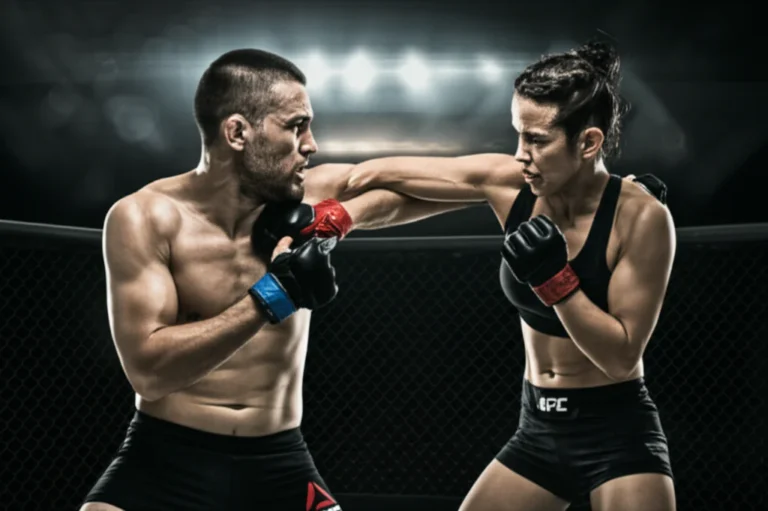
Have you ever found yourself pondering the ultimate showdown between a karateka and a boxer? Picture this: a packed arena, the tension palpable, as two skilled fighters prepare to face off—one armed with lightning-fast punches and the other with powerful kicks and strikes. It’s a classic battle of styles that raises questions about skill, strategy, and the very essence of martial arts. In this article, we’ll delve into the intricate world of boxing and karate, exploring 10 compelling reasons that could determine the outcome of this thrilling matchup.
Did you know that boxing has roots dating back to ancient Greece, while karate emerged from the islands of Okinawa, blending indigenous and Chinese martial arts? This rich history adds layers to the debate, and as we uncover the strengths and weaknesses of each discipline, you’ll be left wondering: who would truly come out on top?
So, grab your gear and let’s kick off this exploration of martial arts!
Key Takeaways
- Boxing vs. Karate: Both martial arts have unique strengths and weaknesses that influence their effectiveness in a fight.
- Skill Matters: The individual skill level, experience, and physical attributes of the fighters play a crucial role in determining the outcome.
- Versatility of Techniques: Karate offers a wider range of striking options, while boxing emphasizes powerful punches and evasive movement.
- Real-Life Encounters: Historical examples and modern MMA illustrate how fighters from both backgrounds can succeed in various combat scenarios.
- Training Regimens: Rigorous training in both disciplines builds essential skills, strength, and endurance.
If you’re inspired to enhance your martial arts journey, consider checking out our recommended resources for Karate Training Gear and Boxing Equipment. 🥊💪
Table of Contents
- Quick Tips and Facts
- The Battle of Styles: A Brief History of Karate and Boxing
- The Origin of Boxing: From Ancient Times to Modern Day
- The Origin of Karate: A Journey Through Martial Arts
- Karate vs. Boxing: The Main Differences Explained
- Strengths and Weaknesses: What Each Style Brings to the Fight
- Who Would Win? A Boxer vs. A Karate Fighter in the Ring
- The Role of Training and Conditioning in Each Discipline
- Real-Life Encounters: Stories of Boxers and Karate Practitioners
- Expert Opinions: What Do Trainers and Fighters Say?
- Conclusion
- Recommended Links
- FAQ
- Reference Links
Quick Tips and Facts
- Boxing and karate are both effective martial arts, but they emphasize different skills and strategies. 🥊🥋
- Boxing focuses on punches thrown with the fists, while karate incorporates a wider range of strikes, including kicks, punches, elbows, and knees.
- The outcome of a fight between a boxer and a karate practitioner would depend on various factors, including skill level, fighting style, size, reach, and fighting experience. 🤔
- In a pure striking match, boxers often have an advantage due to their superior punching power, speed, and head movement.
- Karate practitioners might have an edge in a street fight scenario where kicks and a wider range of techniques are allowed.
- Ultimately, the best martial art is the one that you train consistently and effectively. 💪
Want to learn more about the differences between various martial arts styles? Check out our article on Mixed Martial Arts vs. Boxing.
The Battle of Styles: A Brief History of Karate and Boxing
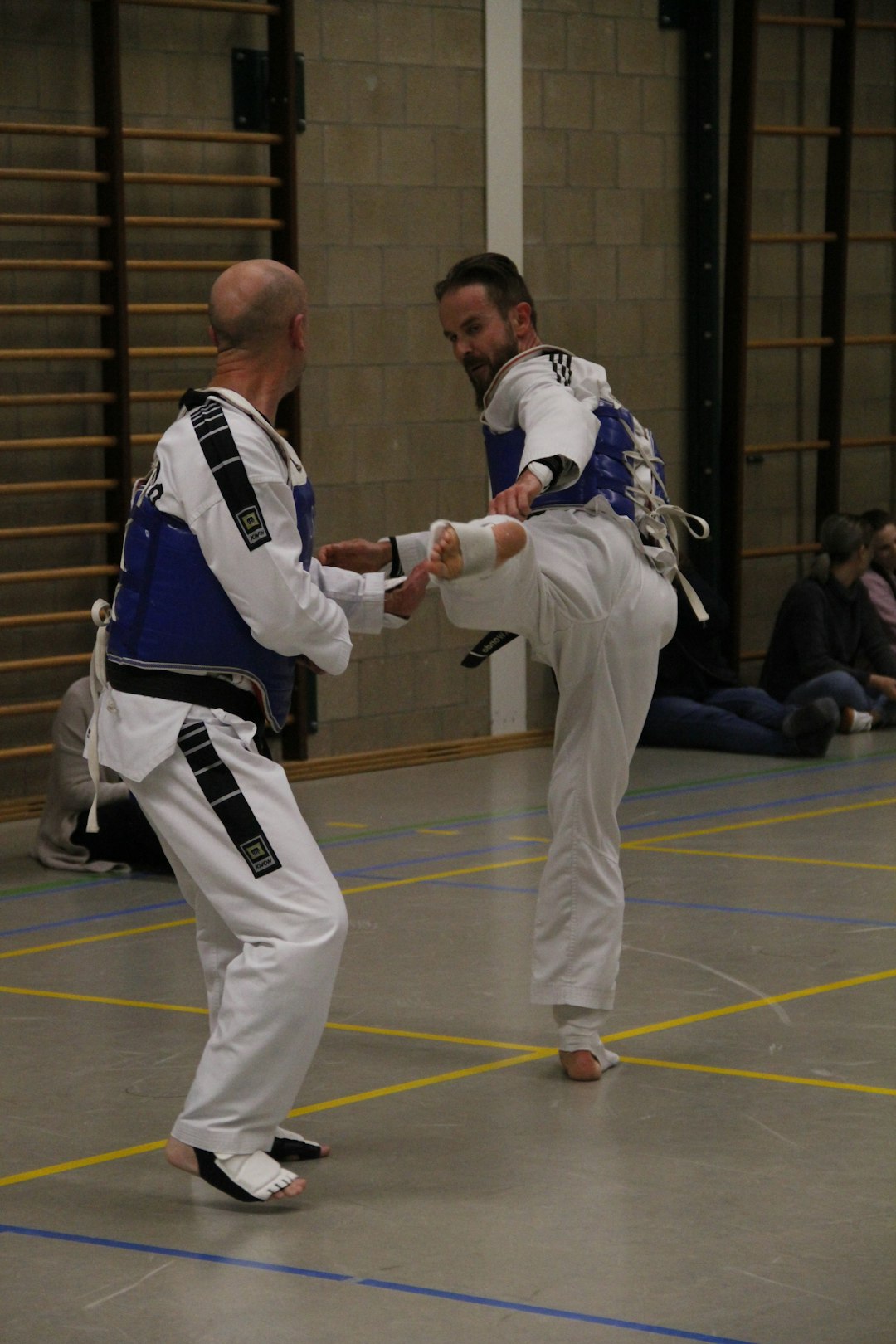
Before we dive into the hypothetical showdown, let’s explore the fascinating history of these two martial arts. Understanding their origins and evolution can provide valuable insights into their strengths and weaknesses.
The Origin of Boxing: From Ancient Times to Modern Day
Boxing, often dubbed “The Sweet Science,” boasts a rich history dating back to ancient civilizations.
- Early Evidence: Archaeological evidence suggests that boxing existed in ancient Sumeria around the 3rd millennium BC. Source: Britannica
- Ancient Greece: Boxing was a popular sport in ancient Greece, featured in the Olympic Games as early as 688 BC.
- Roman Empire: The Romans adopted boxing, but their version was far more brutal, often leading to serious injuries and even death.
- The Dark Ages: Boxing declined in popularity during the Middle Ages but experienced a resurgence in 16th century England.
- The Marquess of Queensberry Rules (1867): These rules revolutionized boxing, introducing gloves, timed rounds, and a regulated ring, paving the way for the modern sport we know today.
The Origin of Karate: A Journey Through Martial Arts
Karate, meaning “empty hand” in Japanese, emerged from the islands of Okinawa, influenced by indigenous fighting styles and Chinese martial arts.
- Early Influences: Karate’s roots can be traced back to the martial arts traditions of the Ryukyu Kingdom, which existed on the Ryukyu Islands (including Okinawa) from the 15th to 19th centuries. Source: Black Belt Magazine
- Chinese Influence: Okinawan martial artists traveled to China and brought back elements of Chinese martial arts, which were integrated into their own fighting systems.
- Development of Karate: Over centuries, various styles of karate evolved on Okinawa, each with its own unique techniques and principles.
- Introduction to Mainland Japan: In the early 20th century, karate masters from Okinawa began teaching their art in mainland Japan, where it gained widespread popularity.
Karate vs. Boxing: The Main Differences Explained
While both boxing and karate are combat sports, their approaches to fighting differ significantly. Here’s a breakdown of the key distinctions:
Striking Techniques
- Boxing: Focuses solely on punches thrown with the fists.
- Karate: Employs a wider range of strikes, including punches, kicks, knee strikes, elbow strikes, and open-hand techniques.
Stance and Footwork
- Boxing: Boxers typically adopt a squared stance with their weight balanced, allowing for quick lateral movement and pivoting to create angles for punches.
- Karate: Karate practitioners often use a wider stance, either side-on or front-on, which provides stability for powerful kicks and blocks. Footwork in karate emphasizes quick advances, retreats, and side-stepping.
Targets
- Boxing: Boxers primarily target the head and body.
- Karate: Karate allows strikes to multiple targets, including the head, body, arms, and legs.
Defense
- Boxing: Boxing emphasizes head movement, slipping, bobbing, weaving, blocking, and parrying to avoid punches.
- Karate: Karate utilizes a combination of blocks, parries, and evasive footwork to defend against attacks.
Strengths and Weaknesses: What Each Style Brings to the Fight
Both boxing and karate have their own sets of strengths and weaknesses:
Boxing Strengths
- Punching Power: Boxers are renowned for their punching power, generated through their entire body mechanics.
- Speed and Precision: Years of training specialized punching techniques develop exceptional hand speed and accuracy in boxers.
- Head Movement and Footwork: Boxers are incredibly elusive targets, using head movement and footwork to slip punches and create angles for counter-attacks.
Boxing Weaknesses
- Limited Striking Arsenal: Boxing’s focus on punches leaves practitioners vulnerable to kicks, takedowns, and grappling attacks.
- Lack of Lower Body Attacks: Boxers typically don’t train to attack or defend against leg kicks, which can be a significant disadvantage.
Karate Strengths
- Versatile Striking: Karate’s diverse striking arsenal, including kicks, punches, knees, and elbows, provides a wider range of offensive options.
- Distance Management: Karate practitioners are often adept at controlling distance, using kicks to keep opponents at bay and punches when in close range.
Karate Weaknesses
- Punching Power: While karate involves punching, it typically doesn’t emphasize punching power to the same extent as boxing.
- Linear Movement: Karate’s emphasis on linear movement (forward and backward) can make practitioners predictable and easier to counter.
Who Would Win? A Boxer vs. A Karate Fighter in the Ring
Ah, the age-old question! The answer, as with most martial arts matchups, is: it depends.
Numerous factors influence the outcome of any fight, and a clash between a boxer and a karateka is no different. Let’s break down the key considerations:
- Skill Level: The skill level of the individual fighters is paramount. A highly skilled boxer could likely outmaneuver and overpower a less experienced karate practitioner, and vice versa.
- Fighting Styles: Within both boxing and karate, various styles emphasize different techniques and strategies. A boxer who prefers to fight aggressively and pressure their opponent might struggle against a karateka who favors a more evasive, counter-striking approach.
- Size and Reach: Physical attributes play a significant role. A taller boxer with a longer reach could potentially keep a shorter karateka at bay with jabs, while a more compact and powerful karateka might excel in close-quarters combat.
- Fighting Experience: Experience in sparring and competition is invaluable. A fighter who has been tested under pressure will likely have an edge over someone with limited practical experience.
In a pure striking match under boxing or kickboxing rules, a boxer would generally have a higher probability of winning due to their superior punching power, speed, and head movement. However, a skilled karateka could potentially exploit a boxer’s lack of lower body defense with kicks to the legs.
In a street fight scenario with no rules, the outcome becomes less predictable. A karateka’s ability to utilize kicks, knees, and elbows could be a decisive factor, but a boxer’s punching power and street smarts should not be underestimated.
The Role of Training and Conditioning in Each Discipline
Both boxing and karate require rigorous training regimens to develop the necessary skills, strength, speed, stamina, and mental fortitude for combat.
Boxing Training
- Shadowboxing: Practicing punches, footwork, and defense against an imaginary opponent.
- Heavy Bag Work: Developing power, endurance, and striking combinations.
- Speed Bag: Improving hand-eye coordination, rhythm, and timing.
- Sparring: Applying techniques in a controlled environment against a resisting opponent.
- Conditioning: Cardiovascular training (running, jumping rope, etc.) and strength training (weightlifting, bodyweight exercises) are crucial for building endurance and muscular strength.
Karate Training
- Kihon (Basics): Repetitive drilling of fundamental techniques, such as punches, blocks, kicks, and stances.
- Kata (Forms): Prearranged sequences of movements that simulate combat scenarios, helping practitioners develop muscle memory, balance, and coordination.
- Kumite (Sparring): Engaging in controlled combat with a partner to apply techniques, develop timing, and build confidence.
- Conditioning: Similar to boxing, karate training often includes cardiovascular exercises and strength training to improve overall fitness and endurance.
Real-Life Encounters: Stories of Boxers and Karate Practitioners
History and the modern combat sports landscape are filled with fascinating examples of boxers and karate practitioners testing their skills against each other and opponents from other disciplines.
- MMA: Mixed martial arts (MMA) has provided a platform for fighters from various backgrounds to compete under a unified ruleset. Many successful MMA fighters have incorporated techniques from both boxing and karate into their fighting styles. For instance, former UFC lightweight champion Lyoto Machida, known for his elusive karate-based style, utilized his striking precision and timing to dominate many opponents. On the other hand, former UFC welterweight champion Georges St-Pierre, while primarily a wrestler, possessed exceptional boxing skills that he used to control distance and deliver fight-ending punches.
- Kickboxing: Kickboxing, which combines elements of boxing and karate, has also seen its share of crossover bouts. Some karate fighters have successfully transitioned to kickboxing, using their kicking skills to their advantage. Conversely, some boxers have adapted their boxing techniques to incorporate kicks, finding success in the kickboxing ring.
These real-life encounters highlight that success in combat sports depends not only on the style of martial arts but also on the individual’s skill, adaptability, and fight IQ.
Expert Opinions: What Do Trainers and Fighters Say?
To gain further insights, let’s turn to the experts—renowned trainers and fighters who have dedicated their lives to mastering and analyzing combat sports:
- Freddie Roach: Hall of Fame boxing trainer Freddie Roach, who has worked with legends like Manny Pacquiao, has acknowledged the effectiveness of karate kicks but emphasized that boxers are typically better equipped to handle them due to their superior footwork and distance management.
- Firas Zahabi: Renowned MMA coach Firas Zahabi, known for his strategic approach to fighting, has stated that while karate offers valuable techniques, its traditional training methods often lack the intensity and realism of boxing sparring, which could put karate practitioners at a disadvantage in a real fight.
- Joe Rogan: UFC commentator and martial arts enthusiast Joe Rogan has often discussed the strengths and weaknesses of different fighting styles on his podcast. Rogan has pointed out that while karate kicks can be devastating, they are also relatively slow and telegraphed, making them susceptible to counter-punches from a well-trained boxer.
These expert opinions underscore the importance of considering the nuances of each martial art and the individual attributes of the fighters when assessing their chances of success in a fight.
We’ve explored the history, techniques, strengths, weaknesses, and expert opinions surrounding the boxing vs. karate debate. But the question remains: What do you think? Which style do you believe would prevail in a fight? Share your thoughts in the comments below!
And if you’re inspired to embark on your own martial arts journey, check out our articles on MMA Techniques and MMA Self-Defense to get started!
Conclusion
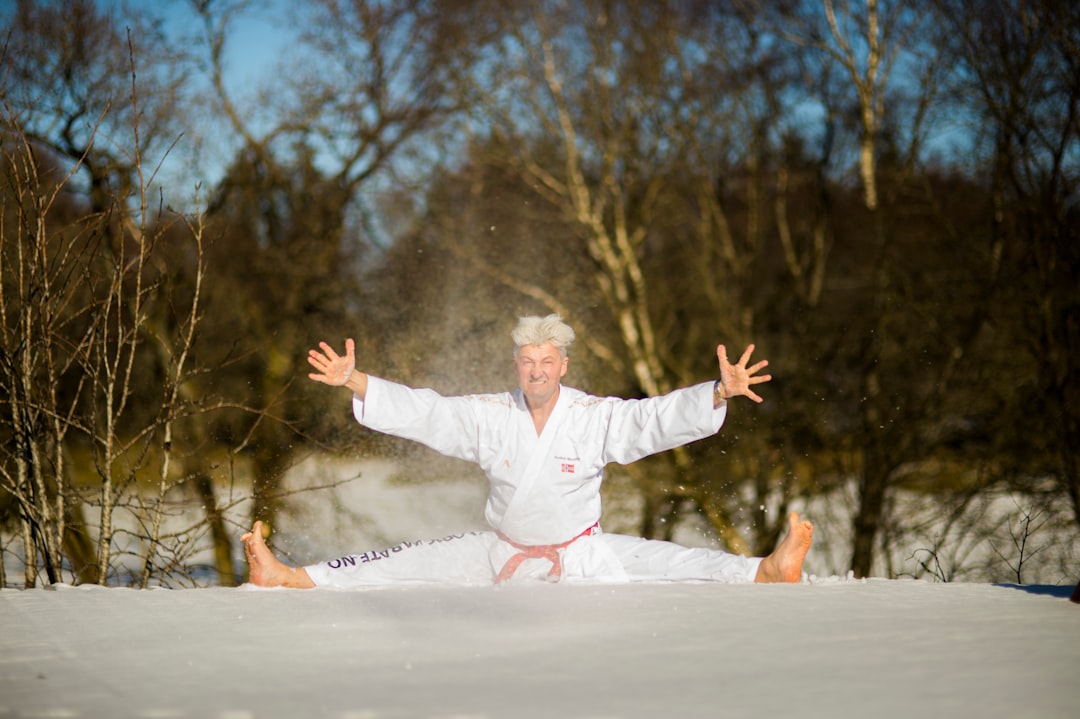
In the battle of boxing versus karate, there are no clear-cut winners—only skilled practitioners who can leverage their unique strengths and adapt to the situation at hand. Boxers excel in punching power, speed, and evasive techniques, while karate practitioners bring a versatile arsenal of strikes and distance management to the table. Ultimately, the outcome of a matchup between a boxer and a karateka hinges on factors such as skill level, experience, and the specific rules of engagement.
Whether you’re drawn to the rhythmic footwork of boxing or the dynamic kicks of karate, both martial arts offer valuable lessons in discipline, fitness, and self-defense. So, why not explore both? You might just discover a new passion!
For anyone looking to dive deeper into the world of martial arts, we confidently recommend checking out resources and training programs that encompass both styles. After all, the best fighter is one who is well-rounded and adaptable! 💪🥊🥋
Recommended Links
Ready to enhance your martial arts knowledge? Here are some fantastic resources to get you started:
-
Fundamentals of Karate – Power Striking for MMA by Lyoto and Chinzo Machida:
👉 CHECK PRICE on: Amazon -
Boxing: The Complete Guide to Training and Fitness:
👉 CHECK PRICE on: Amazon -
Karate: The Ultimate Beginner’s Guide:
👉 CHECK PRICE on: Amazon
FAQ

Can a karate expert beat a boxer?
While a karate expert may have the skills to defeat a boxer, the outcome depends on various factors such as the rules of engagement, the specific techniques employed, and the fighters’ experience levels. In a striking match under boxing rules, a boxer would likely have the advantage due to their superior punching power and speed. However, in a no-holds-barred scenario, a karateka could leverage their kicking techniques and versatility to gain the upper hand.
Can a karateka beat a bodybuilder?
Yes, a karate practitioner can potentially defeat a bodybuilder in a fight. While bodybuilders possess significant muscle mass and strength, they often lack the combat skills and agility that a trained martial artist has. A karateka’s ability to strike effectively, evade attacks, and utilize techniques such as kicks and joint locks can give them a considerable advantage over someone who primarily focuses on building muscle.
Are boxers stronger than martial artists?
Strength can be subjective and context-dependent. Boxers are trained to develop explosive power in their punches, which can make them formidable in striking situations. However, martial artists, particularly those trained in disciplines like judo or wrestling, may possess different types of strength that are effective in grappling and submissions. Ultimately, it depends on the specific fighting scenario and the individuals involved.
What martial art is best against boxing?
When it comes to countering boxing, kickboxing is often considered one of the best martial arts. It combines the punching techniques of boxing with powerful kicks and knee strikes, making it effective against boxers. Additionally, Muay Thai is another excellent choice, as it incorporates elbows, knees, and clinch work, allowing practitioners to engage boxers effectively at various ranges.
Read more about “The 10 Greatest MMA Fighters of All Time … 🏆”
Reference Links
To further explore the concepts discussed in this article, check out these reputable sources:
- Evolve MMA – 9 Reasons Why Boxing Is The Perfect Martial Art
- Britannica – Boxing
- Black Belt Magazine – The History of Karate
- Dynamic Striking – Boxer vs. Karate
Feel free to dive deeper into these resources to enhance your understanding of the martial arts landscape! 🥊🥋