Support our educational content for free when you purchase through links on our site. Learn more
What Does MMA Full Form Really Mean? 🥋 The Ultimate Guide (2026)

If you’ve ever stumbled upon the acronym MMA and wondered what it truly stands for, you’re not alone. Is it just about fighting? Or does it have other meanings lurking beneath the surface? Spoiler alert: MMA is a multi-faceted term with roots stretching from ancient combat sports to cutting-edge digital marketing. But when it comes to the world of punches, kicks, and submissions, MMA stands for Mixed Martial Arts—a thrilling, ever-evolving sport that blends multiple fighting styles into one electrifying competition.
Here at MMA Ninja™, we’ve seen firsthand how understanding the full form of MMA opens the door to a universe of history, strategy, and culture. Did you know that the term “Mixed Martial Arts” wasn’t even widely used until the 1990s? Or that MMA’s journey from underground spectacle to global phenomenon is packed with jaw-dropping moments and legendary fighters? Stick around, because later we’ll unpack the top 7 pivotal moments in MMA history, reveal the key organizations dominating the fight scene today, and even dive into the surprising other meanings of MMA outside the cage.
Ready to become an MMA insider? Let’s get started!
Key Takeaways
- MMA stands for Mixed Martial Arts, a combat sport combining striking, grappling, and wrestling techniques from various martial arts disciplines.
- The term MMA also has other meanings, including Methylmalonic Acid in medicine and Mobile Marketing Association in business, so context matters!
- MMA’s rich history spans from ancient Greek pankration to the modern UFC, with pivotal moments shaping its explosive growth.
- The sport is governed by Unified Rules ensuring fighter safety and fairness, with major organizations like UFC, PFL, and ONE Championship leading the way.
- Women’s MMA has broken barriers, with stars like Ronda Rousey revolutionizing the sport and inspiring millions.
- Amateur MMA serves as a critical stepping stone for future champions, emphasizing skill development and safety.
- Understanding MMA’s full form is just the beginning—knowing its history, rules, and culture enriches your appreciation of this dynamic sport.
Table of Contents
- ⚡️ Quick Tips and Facts About MMA Full Form
- 🥋 What Does MMA Stand For? Unpacking the Full Form
- 📜 The Evolution of Mixed Martial Arts: From Ancient Combat to Modern MMA
- 🔥 7 Pivotal Moments in MMA History That Shaped the Sport
- 🏆 The Rise of MMA: How Mixed Martial Arts Became a Global Phenomenon
- 🥊 Top 5 MMA Organizations Dominating the Fight Scene Today
- 📏 MMA Rules Demystified: What You Need to Know Before You Watch or Compete
- 🥋 Common Martial Arts Disciplines in MMA: The Building Blocks of a Fighter
- 🧠 Basic MMA Strategies: Outsmarting and Outlasting Your Opponent
- 👩 🎤 Women in MMA: Breaking Barriers and Making History
- 🥇 Amateur MMA: The Crucible for Future Champions
- 🛡️ Safety First: How MMA Protects Fighters in the Cage
- ⚖️ The Legal Landscape of MMA: Regulations and Legality Worldwide
- 💡 Insider Notes: Tips and Trivia from MMA Ninja™ Experts
- 📚 Recommended Links for MMA Enthusiasts
- ❓ Frequently Asked Questions About MMA Full Form and More
- 🔗 Reference Links and Credible Sources
- 🎯 Conclusion: Why Knowing MMA’s Full Form Is Just the Beginning
⚡️ Quick Tips and Facts About MMA Full Form
Alright, future fight fans and aspiring martial artists, let’s cut to the chase! You’re here because you want to know the MMA full form, and trust us, it’s more than just three letters. It’s a universe of combat, strategy, and sheer human will. But before we dive deep into the octagon, here are some rapid-fire facts to get your brain warmed up! 🧠💥
| Fact Category | Detail | MMA Ninja™ Insight |
|---|---|---|
| Full Form | Mixed Martial Arts | The most common and widely recognized meaning in combat sports. |
| Origin | Early 20th-century inter-stylistic contests, popularized by UFC in 1993. | We’ve seen firsthand how these roots still influence modern training! |
| Core Concept | Combines striking, grappling, and wrestling techniques from various disciplines. | It’s about being a complete fighter, not just a specialist. |
| Key Organizations | UFC, PFL, ONE Championship, Bellator. | These are the big leagues where legends are made. |
| Safety Evolution | From “no holds barred” to unified rules with strict regulations. | Fighter safety is paramount now, a huge step forward for the sport. |
| Global Reach | A global phenomenon with millions of fans and practitioners. | Our dojo is a melting pot of cultures, all united by MMA! |
| Other Meanings | Methylmalonic Acid (medical), Mobile Marketing Association (business). | Context is everything! Don’t mix up your jabs with your lab tests! 😉 |
Did you know? The term “Mixed Martial Arts” itself wasn’t widely adopted until the mid-1990s, even though the concept of combining styles is ancient! It’s a testament to how quickly this sport evolved and found its identity. Want to know more about the diverse techniques? Check out our article on What Fighting Styles Do MMA Fighters Use? The Top 12 Revealed 🥋 (2026)!
🥋 What Does MMA Stand For? Unpacking the Full Form
Alright, let’s get down to brass tacks. When you hear “MMA” in the context of combat sports, it unequivocally stands for Mixed Martial Arts. Simple, right? But like a perfectly executed armbar, there’s a lot more to it than meets the eye!
The Definitive Answer: Mixed Martial Arts 💥
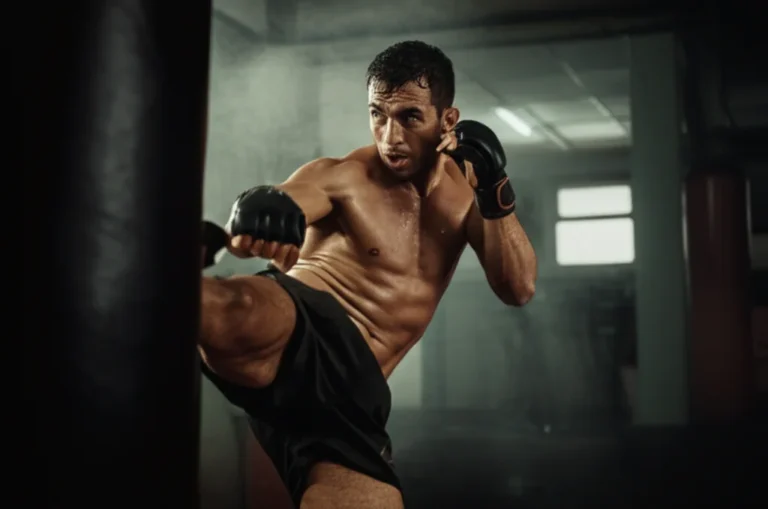
Mixed Martial Arts is a full-contact combat sport that allows a wide variety of fighting techniques and skills from a mixture of martial arts disciplines. Think of it as the ultimate proving ground, where a fighter needs to be proficient in striking (like boxing or Muay Thai), grappling (like Brazilian Jiu-Jitsu or Judo), and wrestling (freestyle or Greco-Roman).
As the experts at MMA Ninja™, we often tell our students: “The ‘mixed’ isn’t just a suggestion; it’s the entire philosophy.” You can’t just be a great striker; you need to know how to defend a takedown. You can’t just be a submission wizard; you need to be able to stand and trade punches. It’s about holistic combat, adapting to any situation, and finding the most effective way to win. Bruce Lee, a visionary ahead of his time, famously said, “The best fighter is not a boxer, karate or judo man. The best fighter is someone who can adapt to any style.” This quote, cited by Wikipedia, perfectly encapsulates the spirit of MMA.
Navigating the Other MMAs: Context is King! 👑
Now, here’s where it gets a little tricky, and why we emphasize context. While we live and breathe Mixed Martial Arts, those three letters can mean entirely different things in other fields. It’s like asking for a “jab” in a bakery – you’ll get a blank stare!
-
Methylmalonic Acid (MMA) – The Medical Marvel:
- In the medical world, MMA stands for Methylmalonic Acid. This is a substance measured in blood or urine tests, primarily to diagnose vitamin B12 deficiency. High levels of Methylmalonic Acid can signal that your body isn’t getting enough B12, which is crucial for nerve function and red blood cell production.
- As MedlinePlus explains, “If your results show higher-than-normal levels of MMA, it may mean you have a vitamin B12 deficiency.” So, if your doctor mentions MMA, they’re probably not asking about your favorite UFC fighter! You can learn more about this specific test on the MedlinePlus MMA test page.
-
Mobile Marketing Association (MMA) – The Digital Dynamo:
- Shift gears to the business world, specifically digital advertising, and MMA refers to the Mobile Marketing Association. This global non-profit trade association focuses on advancing mobile marketing practices. They’re all about how organizations engage with their audience through mobile devices and networks.
- According to MMA Global, “Mobile Marketing is a set of practices that enables organizations to communicate and engage with their audience in an interactive and relevant manner through and with any mobile device or network.” This definition was updated in 2009 to reflect the evolving digital landscape. Check out their insights on MMA Global.
So, while we’re passionate about the kind of MMA that involves sweat, strategy, and submissions, it’s crucial to remember that those three letters have a life beyond the cage. Always consider the context! When you’re talking about combat sports, though, there’s only one MMA: Mixed Martial Arts. Got it? Good! Now let’s explore how this incredible sport came to be.
📜 The Evolution of Mixed Martial Arts: From Ancient Combat to Modern MMA
The idea of combining different fighting styles isn’t new; it’s as old as combat itself! While modern MMA feels like a relatively recent phenomenon, its roots stretch back through millennia, proving that humans have always sought the most effective ways to fight.
Ancient Echoes: Pankration and Beyond 🏛️
Our journey begins in ancient Greece with Pankration, a brutal Olympic combat sport dating back to 648 BC. It was essentially an “all-powers” contest, combining boxing and wrestling with very few rules. Eye-gouging and biting were generally forbidden, but almost everything else was fair game – strikes, throws, joint locks, chokes. Sound familiar? It’s often cited as the earliest form of “mixed martial arts,” a true testament to the enduring human fascination with finding the ultimate fighter.
Fast forward through history, and you find similar inter-stylistic contests popping up in various cultures. From the gladiatorial arenas of Rome to the diverse martial traditions of Asia, the concept of testing one style against another has always been present.
The Melting Pot of the Early 20th Century: Japan, East Asia, and Brazil 🌍
The early 20th century saw a more formalized emergence of inter-stylistic contests, particularly in Japan, East Asia, and Brazil. These were often challenges between practitioners of different martial arts – a judoka against a boxer, a karateka against a wrestler. These “style vs. style” matchups were crucial in demonstrating the strengths and weaknesses of specialized martial arts.
In Brazil, this concept blossomed into Vale Tudo (Portuguese for “anything goes”). These unregulated, full-contact fights became legendary, featuring a wild mix of styles like Judo, Brazilian Jiu-Jitsu, Catch Wrestling, Muay Thai, and Capoeira. One of the most famous early bouts, as Wikipedia notes, was Masahiko Kimura vs. Hélio Gracie in 1951, a pivotal moment that showcased the power of Judo against the nascent Brazilian Jiu-Jitsu. Kimura’s dominant victory, ending with the submission hold now famously known as the “Kimura lock,” cemented the importance of grappling.
Bruce Lee: The Philosopher-Warrior Who Saw the Future 🐉
No discussion of MMA’s evolution is complete without mentioning Bruce Lee. While he never competed in modern MMA, his philosophy of Jeet Kune Do (“The Way of the Intercepting Fist”) was revolutionary. Lee advocated for taking what is useful from any style, discarding what is useless, and adding what is uniquely your own. He believed in adaptability and efficiency over rigid adherence to a single martial art.
As Dana White, UFC President, once said, “If you look at the way Bruce Lee trained, the way he fought, and many of the things he wrote, he said the perfect style was no style.” Lee’s insights profoundly influenced the martial arts world and laid the intellectual groundwork for what would become Mixed Martial Arts. He taught us that the cage doesn’t care about tradition; it cares about what works.
The Muhammad Ali vs. Antonio Inoki Spectacle (1976) 🥊🤼
Another significant, albeit bizarre, event that influenced the trajectory of combat sports was the 1976 “fight” between boxing legend Muhammad Ali and Japanese professional wrestler Antonio Inoki. While often derided as a spectacle, it was an early, high-profile attempt to pit a striker against a grappler. The rules were heavily modified, leading to a somewhat unsatisfying draw, but it sparked public imagination about what would happen if different combat disciplines truly clashed. It was a precursor, a hint of the “what if” that MMA would later answer.
From these ancient origins, through the raw proving grounds of Vale Tudo, and fueled by the philosophical foresight of Bruce Lee, the stage was set for the modern era of Mixed Martial Arts. The question of “which style is best?” was about to be answered, not by theory, but by brutal, beautiful reality.
🔥 7 Pivotal Moments in MMA History That Shaped the Sport

The journey of Mixed Martial Arts from underground spectacle to global phenomenon is paved with defining moments. These aren’t just dates on a calendar; they’re seismic shifts that altered the landscape of combat sports forever. As MMA Ninja™ coaches, we often reflect on these turning points, as they teach us about resilience, adaptation, and the relentless pursuit of effectiveness.
Here are 7 pivotal moments that shaped the sport we know and love today:
-
UFC 1: The Genesis of Modern MMA (1993)
- What happened: On November 12, 1993, the Ultimate Fighting Championship held its first event in Denver, Colorado. The premise was simple: pit fighters from different martial arts disciplines against each other in an octagon-shaped cage with minimal rules, to determine which style was superior.
- Why it mattered: This event was a revelation! Royce Gracie, a relatively small Brazilian Jiu-Jitsu practitioner, dominated larger, stronger opponents using his grappling and submission skills. It shattered the myth that size and striking power were everything, proving the immense effectiveness of BJJ. It was raw, brutal, and undeniably captivating. “UFC’s inception, featuring minimal rules, aimed to find the most effective martial art for real combat,” as Wikipedia notes. It kicked off the “style vs. style” debate that defined early MMA.
-
The Rise of Pride FC in Japan (Late 1990s – Early 2000s)
- What happened: While the UFC was finding its footing in the West, Pride Fighting Championships emerged in Japan, quickly becoming a global powerhouse. Known for its grand entrances, passionate crowds, and often more lenient rules (allowing soccer kicks and stomps to grounded opponents), Pride showcased legendary fighters like Fedor Emelianenko, Wanderlei Silva, and Mirko Cro Cop.
- Why it mattered: Pride offered a different flavor of MMA, often more theatrical and brutal, but undeniably exciting. It fostered a generation of incredible fighters and pushed the boundaries of what was possible in the ring. Its eventual acquisition by the UFC in 2007 was a monumental consolidation of power in the sport.
-
The Introduction of Unified Rules of Mixed Martial Arts (2000s)
- What happened: As MMA gained traction, particularly in the US, the need for standardized rules became apparent for legitimacy and fighter safety. The “Unified Rules” were developed and adopted by various athletic commissions, including the New Jersey State Athletic Control Board in 2000.
- Why it mattered: This was a game-changer for mainstream acceptance. It moved MMA away from its “no holds barred” image, introducing weight classes, rounds, specific fouls, and mandatory gloves. This standardization made the sport more palatable to regulators, broadcasters, and a wider audience, paving the way for its explosive growth. Our fighters at MMA Ninja™ train under these unified rules, ensuring they’re prepared for professional competition.
-
The UFC’s Acquisition of Strikeforce and WEC (2010-2011)
- What happened: In a series of strategic moves, Zuffa (the parent company of the UFC) acquired rival promotions World Extreme Cagefighting (WEC) in 2010 and Strikeforce in 2011.
- Why it mattered: These acquisitions consolidated much of the top talent under the UFC banner, eliminating major competitors and strengthening the UFC’s position as the undisputed global leader. It brought incredible fighters like Jon Jones, Daniel Cormier, Ronda Rousey, and José Aldo into the UFC, creating super-cards and elevating the overall talent pool.
-
The Mainstream Explosion of The Ultimate Fighter (TUF) (2005)
- What happened: The reality TV show The Ultimate Fighter debuted on Spike TV, featuring aspiring fighters living and training together, culminating in a tournament. The finale of the first season, featuring Forrest Griffin vs. Stephan Bonnar, was a legendary, bloody war that captivated millions.
- Why it mattered: TUF was a massive marketing success that introduced MMA to a whole new audience. It humanized the fighters, showcasing their struggles, personalities, and dedication. The show was instrumental in bringing MMA into the mainstream, proving that it wasn’t just a niche sport but a compelling drama with incredible athletes.
-
Ronda Rousey’s Dominance and the Rise of Women’s MMA (Early 2010s)
- What happened: Ronda Rousey burst onto the scene, dominating opponents with her Olympic-level Judo and lightning-fast armbars. Her charisma and fighting prowess led the UFC to open a women’s division, with Rousey as its first champion.
- Why it mattered: Rousey was a true superstar who transcended the sport. She proved that women’s MMA could be a massive draw, shattering stereotypes and inspiring a new generation of female athletes. Her impact was so profound that, as Wikipedia states, Women’s MMA “gained prominence with fighters like Ronda Rousey.” She opened doors that many thought would remain closed, forever changing the landscape of professional combat sports.
-
The Global Expansion and Rise of ONE Championship (2011-Present)
- What happened: While the UFC focused heavily on North America, ONE Championship emerged in Asia, quickly becoming the continent’s largest martial arts organization. It features a diverse roster, often incorporating Muay Thai, Kickboxing, and Submission Grappling bouts alongside MMA.
- Why it mattered: ONE Championship demonstrated that MMA could thrive globally with a different cultural approach. It offered a platform for Asian martial artists and expanded the sport’s reach into new markets, proving that the appetite for mixed martial arts is truly worldwide. It’s a testament to the sport’s universal appeal and adaptability.
These moments, each a chapter in MMA’s incredible story, highlight the sport’s dynamic nature and its relentless march towards global dominance. What will the next pivotal moment be? We’re just as excited as you are to find out!
🏆 The Rise of MMA: How Mixed Martial Arts Became a Global Phenomenon
From its “barbaric” early days to packed arenas and multi-million dollar pay-per-views, the rise of MMA has been nothing short of meteoric. It’s a story of evolution, adaptation, and a relentless pursuit of legitimacy that has captivated audiences worldwide. How did a sport once banned in many states become a global powerhouse rivaling boxing? Let’s unpack this incredible journey.
From Fringe to Mainstream: The Power of Adaptation and Marketing 📈
The early UFC, with its minimal rules and raw appeal, was a shock to the system. It was controversial, often labeled “human cockfighting,” and faced significant political backlash. However, this initial notoriety, combined with the undeniable effectiveness demonstrated by fighters like Royce Gracie, laid the groundwork for its future.
The key to MMA’s rise wasn’t just the fighting itself, but its willingness to adapt. The introduction of the Unified Rules of Mixed Martial Arts was a watershed moment. By standardizing weight classes, rounds, and prohibiting truly dangerous techniques (like eye-gouging), the sport shed its “no holds barred” image and gained crucial regulatory approval. This made it palatable for television networks and athletic commissions, opening the floodgates for wider viewership.
Then came the marketing genius. The UFC, under the leadership of Dana White and the Fertitta brothers, transformed the sport. They invested heavily in promotion, pay-per-view events, and, crucially, The Ultimate Fighter reality show. As we discussed, TUF humanized the fighters, showcasing their dedication and struggles, and drew in a massive new audience who might never have watched a fight before. It was a masterclass in storytelling and brand building.
The Joe Rogan Effect and Media Exposure 🎤
You can’t talk about MMA’s rise without mentioning Joe Rogan. His passionate commentary, deep knowledge of martial arts, and infectious enthusiasm have been instrumental in educating and entertaining millions. Rogan’s famous quote, “Martial arts evolved more in the ten years following 1993 than in the preceding 700 years combined,” cited by Wikipedia, perfectly captures the rapid innovation spurred by MMA. He’s been a consistent voice, explaining the nuances of grappling, the power of a well-placed strike, and the sheer athleticism required to compete at the highest level.
Beyond Rogan, the proliferation of MMA content across various media platforms – from dedicated sports channels to streaming services and social media – has made the sport incredibly accessible. Highlights, interviews, and behind-the-scenes footage keep fans engaged 24/7.
Global Expansion and Diverse Talent 🌐
MMA’s appeal isn’t limited by borders. Organizations like ONE Championship have proven that the sport can thrive with different cultural approaches, particularly in Asia. The UFC itself has aggressively expanded its global footprint, holding events in Europe, South America, Australia, and beyond. This global reach means a diverse pool of talent, bringing unique fighting styles and national pride to the cage.
Consider these stats:
- Wikipedia notes that MMA’s “pay-per-view revenues rival boxing and wrestling,” a clear indicator of its financial success and audience engagement.
- The inclusion of MMA as a demonstration sport in the 2023 African Games highlights its growing international recognition and potential for Olympic inclusion in the future.
At MMA Ninja™, we’ve seen this global impact firsthand. Our gym is a microcosm of the world, with practitioners from every continent, all drawn to the challenge and excitement of mixed martial arts. The sport’s ability to transcend language and culture, offering a universal test of skill and spirit, is perhaps its greatest strength.
The rise of MMA is a testament to its inherent excitement, the dedication of its athletes, and the strategic vision of its promoters. It’s a sport that constantly evolves, pushing the boundaries of human performance and captivating audiences with every punch, kick, and submission. And we believe it’s only just getting started!
🥊 Top 5 MMA Organizations Dominating the Fight Scene Today
If you’re looking to dive into the world of professional MMA, knowing where the action happens is key! While countless promotions exist globally, a handful stand out as the major leagues, attracting the best talent and putting on the most spectacular events. As MMA Ninja™ experts, we’ve watched these organizations grow, evolve, and consistently deliver thrilling combat.
Here are the top 5 MMA organizations dominating the fight scene today:
-
Ultimate Fighting Championship (UFC)
- Overview: The undisputed king of MMA. Founded in 1993, the UFC is the largest and most prominent mixed martial arts promotion in the world. It’s synonymous with the sport itself for many fans.
- Why they dominate: The UFC boasts the deepest roster of elite fighters, the biggest pay-per-view events, and unparalleled global reach. Their production values are top-tier, and their marketing machine is second to none. They’ve consistently adapted, innovated, and acquired competitors to maintain their dominant position.
- Notable Fighters: Conor McGregor, Jon Jones, Israel Adesanya, Amanda Nunes, Islam Makhachev.
- Where to watch: ESPN+ (US), UFC Fight Pass (global), various international broadcasters.
- 👉 Shop UFC Gear on: Amazon | UFC Official Store
-
Professional Fighters League (PFL)
- Overview: The PFL offers a unique, season-based format, much like traditional sports leagues. Fighters compete in a regular season, playoffs, and a championship final, with the winner of each weight class taking home a substantial prize and a championship belt.
- Why they’re a contender: Their innovative format provides clear stakes and a compelling narrative throughout the year. They’ve attracted significant investment and signed high-profile free agents, rapidly building a competitive roster. The PFL is a fresh alternative to the traditional event-by-event model.
- Notable Fighters: Kayla Harrison, Francis Ngannou (signed for 2024), Shane Burgos, Olivier Aubin-Mercier.
- Where to watch: ESPN (US), DAZN (international).
- 👉 Shop PFL Gear on: Amazon | PFL Official Store
-
ONE Championship
- Overview: Asia’s largest martial arts organization, ONE Championship, based in Singapore, features not only MMA but also Muay Thai, Kickboxing, and Submission Grappling bouts. They emphasize traditional martial arts values and often have a more culturally integrated presentation.
- Why they’re a force: ONE has a massive footprint in the lucrative Asian market and has successfully expanded into the US. Their diverse combat offerings appeal to a broader martial arts audience, and they’ve signed numerous top talents from around the globe. They’re known for their exciting, high-paced fights.
- Notable Fighters: Demetrious Johnson, Christian Lee, Angela Lee, Rodtang Jitmuangnon (Muay Thai).
- Where to watch: Amazon Prime Video (US), various international broadcasters.
- 👉 Shop ONE Championship Gear on: Amazon | ONE Official Store
-
Bellator MMA
- Overview: Founded in 2008, Bellator is a major American MMA promotion, often considered the second-largest in the US. They’ve built a strong roster and frequently host tournaments in various weight classes.
- Why they remain relevant: Bellator has consistently provided a platform for established veterans and rising stars. They’ve put on some fantastic events, often featuring cross-promotional bouts and grand prix tournaments that keep fans engaged. Their consistent presence and solid talent pool make them a significant player.
- Notable Fighters: Vadim Nemkov, Patricio Pitbull, Cris Cyborg, A.J. McKee.
- Where to watch: Showtime (US), BBC iPlayer (UK), various international broadcasters.
- 👉 Shop Bellator MMA Gear on: Amazon | Bellator Official Store
-
ACA (Absolute Championship Akhmat)
- Overview: A prominent Russian MMA promotion, ACA is known for its deep roster of tough, skilled fighters, particularly from Eastern Europe. They consistently put on high-quality events with a strong emphasis on competitive matchups.
- Why they’re a top contender: ACA has a reputation for showcasing incredibly durable and well-rounded fighters. They offer a different stylistic flavor of MMA, often characterized by relentless pressure and powerful grappling. For hardcore fans, ACA is a must-watch for discovering future stars and witnessing gritty, high-level bouts.
- Notable Fighters: Magomed Bibulatov, Albert Tumenov, Mukhamed Kokov.
- Where to watch: ACA-MMA.com (global PPV/subscription).
- 👉 Shop ACA Gear on: Amazon | ACA Official Store
These organizations are the battlegrounds where the best in the world test their mettle. Each offers a unique experience, but all share the core excitement and intensity that define Mixed Martial Arts. Whether you’re a casual viewer or a dedicated fan, there’s always a compelling fight just around the corner! For more in-depth analysis of upcoming events, check out our MMA Events section!
📏 MMA Rules Demystified: What You Need to Know Before You Watch or Compete
Ever watched an MMA fight and wondered, “Wait, can they do that?!” You’re not alone! The rules of Mixed Martial Arts have evolved dramatically since the early “no holds barred” days, transforming it into a legitimate, regulated sport. Understanding these rules is crucial, whether you’re a casual fan or an aspiring fighter. At MMA Ninja™, we live by these rules, and our coaches ensure every student understands the boundaries of the cage.
The Evolution of Regulation: From Chaos to Clarity 📜
Early MMA, particularly the first UFC events and Brazilian Vale Tudo, had minimal rules. The goal was simply to find the most effective martial art. This led to some incredibly brutal, and often dangerous, contests. However, for the sport to gain mainstream acceptance and regulatory approval, a standardized set of rules was essential.
This led to the development and widespread adoption of the Unified Rules of Mixed Martial Arts in the early 2000s. These rules, largely overseen by athletic commissions in the US, brought structure, safety, and legitimacy to the sport. They are the bedrock upon which modern MMA is built.
The Octagon, Rounds, and Weight Classes: The Framework of a Fight 🏟️
Before any punches are thrown, the framework of an MMA fight is established:
- The Cage (or Octagon): Most professional MMA fights take place in a multi-faceted cage, typically an octagon, enclosed by chain-link walls. This prevents fighters from falling out and allows for cage-wrestling techniques. As the YouTube video “The Rules of Mixed Martial Arts (UFC) Explained” points out, it’s “enclosed by high chain-link walls to prevent fighters from exiting.”
- Rounds: Standard non-championship fights consist of three five-minute rounds, with a one-minute break in between. Championship fights (and main event non-title fights in some promotions) are five five-minute rounds.
- Weight Classes: Fighters must compete within specific weight classes to ensure fair matchups. Failing to make weight can result in penalties or even disqualification. This is a critical aspect of fighter safety and competitive balance.
| Weight Class (UFC) | Weight Limit (lbs) | Weight Limit (kg) |
|---|---|---|
| Strawweight (W) | 115 | 52.2 |
| Flyweight | 125 | 56.7 |
| Bantamweight | 135 | 61.2 |
| Featherweight | 145 | 65.8 |
| Lightweight | 155 | 70.3 |
| Welterweight | 170 | 77.1 |
| Middleweight | 185 | 83.9 |
| Light Heavyweight | 205 | 93.0 |
| Heavyweight | 265 | 120.2 |
| Super Heavyweight | No Limit | No Limit |
- Gloves: Fighters wear specialized 4-ounce, open-fingered gloves. These gloves protect the fighter’s hands, reduce cuts, but still allow for grappling and submissions.
Allowed Techniques: The Versatility of Combat ✅
This is where the “Mixed Martial Arts” truly shines! Fighters can utilize a vast arsenal of techniques from various disciplines. As the “Rules of Mixed Martial Arts (UFC) Explained” video aptly states, “You can use virtually any strike from any martial art, and this makes MMA the most versatile combat sport in the world.”
- Striking: Punches (with clenched fists), kicks (with foot or shin), elbows, and knees are all permitted. This includes striking to the head, body, and legs.
- Grappling & Wrestling: Takedowns, throws, clinching, and ground control are fundamental. Fighters can use wrestling to take an opponent down and Brazilian Jiu-Jitsu to secure submissions.
- Submissions: Joint locks (armbars, kimuras, heel hooks) and chokes (rear-naked choke, guillotine choke, triangle choke) are legal and highly effective ways to end a fight.
Prohibited Actions: What NOT to Do ❌
To ensure fighter safety and maintain the integrity of the sport, a clear list of illegal moves exists. These are strictly enforced by the referee, with warnings, point deductions, or even disqualification as consequences.
- Strikes:
- Striking the back of the head or spine.
- Kneeing or kicking a grounded opponent’s head (this is a major one, though some organizations like ONE Championship allow it under specific rules).
- Head-butting.
- Throat strikes or grabbing the trachea.
- Eye-gouging, fish-hooking, biting.
- Grappling/Other:
- Grabbing the cage.
- Holding opponent’s shorts or gloves.
- Small joint manipulation (e.g., twisting individual fingers).
- Spiking an opponent on their head (piledriver).
- Intentionally throwing an opponent out of the cage.
- Stalling or refusing to engage.
The video emphasizes that “Accidental illegal moves result in a warning; accumulating three warnings leads to disqualification.”
Ways to Win: How a Fight Ends 🏆
An MMA fight can conclude in several exciting ways:
- Knockout (KO): A fighter is rendered unconscious or unable to intelligently defend themselves due to strikes.
- Technical Knockout (TKO): The referee, ringside doctor, or a fighter’s corner stops the fight because a fighter is no longer able to defend themselves or continuing would be too dangerous.
- Submission: A fighter “taps out” (physically or verbally) to signal defeat due to pain from a joint lock or choke.
- Decision: If the fight goes the full distance, judges score each round based on effective striking, grappling, aggression, and cage control. The fighter with the highest score wins.
- Disqualification (DQ): A fighter is disqualified for repeated fouls, failing to make weight, or intentionally injuring an opponent with an illegal move.
- No Contest: A rare outcome where neither fighter wins, often due to an accidental illegal move causing injury, or both fighters violating rules.
Understanding these rules enhances your appreciation for the strategy, skill, and athleticism involved in every MMA bout. It’s not just a brawl; it’s a chess match with devastating physical consequences. For deeper dives into specific fight outcomes and strategies, check out our Fight Analysis section!
🥋 Common Martial Arts Disciplines in MMA: The Building Blocks of a Fighter
One of the most fascinating aspects of Mixed Martial Arts is its very name: “Mixed.” It’s a beautiful tapestry woven from the threads of countless martial arts, each contributing unique techniques and philosophies. At MMA Ninja™, we don’t just teach MMA; we teach the components that make an MMA fighter truly complete. It’s about building a versatile arsenal, not just mastering one weapon.
As we discussed in our article on What Fighting Styles Do MMA Fighters Use? The Top 12 Revealed 🥋 (2026), the best fighters are those who can seamlessly blend disciplines.
The Pillars of MMA: Striking, Grappling, and Wrestling 🧱
To be a successful MMA fighter, you need proficiency in three core areas:
- Striking: The art of hitting your opponent effectively while avoiding being hit yourself.
- Grappling: The art of controlling an opponent on the ground, securing submissions, and defending against them.
- Wrestling: The art of taking an opponent down, defending takedowns, and controlling them in the clinch.
Let’s break down the most common martial arts that contribute to these pillars:
| Discipline | Core Contribution to MMA | Key Techniques | Notable MMA Fighters |
|---|---|---|---|
| Boxing | Hand striking, footwork, head movement, defense. | Jabs, crosses, hooks, uppercuts, slips, rolls. | Conor McGregor, Max Holloway |
| Muay Thai | Stand-up striking, clinch work, devastating kicks, knees, elbows. | Roundhouse kicks, teeps, knee strikes, elbow strikes, plum clinch. | Anderson Silva, Valentina Shevchenko |
| Brazilian Jiu-Jitsu (BJJ) | Ground grappling, submission holds, positional control, submission defense. | Armbars, triangle chokes, rear-naked chokes, guard passes, sweeps. | Royce Gracie, Charles Oliveira |
| Wrestling (Freestyle/Greco-Roman) | Takedowns, takedown defense, cage control, top control, scrambles. | Double-leg takedowns, single-leg takedowns, sprawls, clinches. | Jon Jones, Khabib Nurmagomedov |
| Judo | Throws, takedowns, sweeps, joint locks (on the ground). | Uchi Mata, O Goshi, Harai Goshi, armbars (on the ground). | Ronda Rousey, Fedor Emelianenko (Sambo has Judo roots) |
| Sambo | Jacket wrestling, leg locks, throws, ground control. | Leg locks (heel hooks, kneebars), throws, submissions. | Fedor Emelianenko, Islam Makhachev |
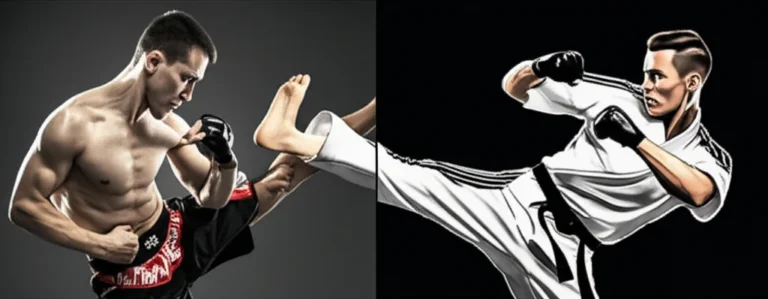
| Karate/Taekwondo | Dynamic kicks, distance management, point striking. | Head kicks, spinning kicks, side kicks, straight punches. | Stephen “Wonderboy” Thompson, Lyoto Machida |
Why Cross-Training is Essential: The MMA Ninja™ Philosophy 🧠
In the early days of MMA, specialists often tried to impose their single style on opponents. Royce Gracie showed the power of BJJ, but soon, fighters learned to defend against it. Then came the wrestlers, dominating with takedowns, only for strikers to learn takedown defense.
This constant evolution led to one undeniable truth: cross-training is not optional; it’s fundamental. A fighter who only knows striking is a sitting duck for a wrestler. A grappler who can’t defend a punch won’t even make it to the ground.
At MMA Ninja™, we instill this philosophy from day one. Our training programs are designed to seamlessly integrate these disciplines. We’ve seen countless times how a fighter with a strong wrestling base can negate a dangerous striker, or how a BJJ black belt can turn a seemingly bad position into a submission victory.
Personal Anecdote: One of our rising stars, “Shadow” Sarah Lee, came to us as a decorated Taekwondo practitioner. Her kicks were phenomenal, but her ground game was a gaping hole. We spent months drilling BJJ and wrestling, and it was tough! She hated being on her back. But in her last amateur fight, she stuffed a takedown, landed a beautiful counter-punch, and then, when her opponent shot again, she sprawled, took the back, and finished with a rear-naked choke. It was a complete MMA performance, a testament to her dedication to mixing her arts.
The beauty of MMA lies in this blend. It forces martial arts to evolve, to prove their effectiveness in a truly dynamic environment. It’s why the sport is so captivating – you never know which combination of skills will lead to victory!
🧠 Basic MMA Strategies: Outsmarting and Outlasting Your Opponent
MMA isn’t just about throwing punches or executing submissions; it’s a high-stakes chess match where every move counts. Behind every devastating knockout or slick submission is a carefully crafted strategy, often developed over weeks of training. At MMA Ninja™, we teach our fighters that physical prowess is only half the battle; the other half is fought in the mind.
The Art of the Game Plan: Knowing Your Strengths and Their Weaknesses 🎯
Every successful MMA fighter steps into the cage with a game plan. This isn’t a rigid script, but a flexible blueprint based on:
- Self-Assessment: What are your strengths? Are you a powerful striker, a relentless wrestler, or a submission specialist? What are your weaknesses?
- Opponent Analysis: What are their strengths and weaknesses? Do they have a glass jaw? Are they susceptible to leg kicks? Do they gas out in later rounds? Can they defend takedowns?
- Fight Flow: How do you want the fight to unfold? Do you want to keep it standing, take it to the ground, or work in the clinch?
Example: If you’re fighting a high-level BJJ black belt, your game plan might heavily focus on takedown defense and keeping the fight standing, where your superior striking can shine. Conversely, if you’re facing a dangerous kickboxer, your strategy might involve early takedowns to neutralize their striking and work your ground game.
Key Strategic Pillars in the Octagon 🏗️
Here are some fundamental strategies that fighters employ:
-
Striking Defense & Offense:
- Distance Management: Controlling the space between you and your opponent is crucial. Are you close enough to land strikes but far enough to avoid theirs?
- Head Movement & Footwork: Slipping punches, weaving, and pivoting to create angles are vital for both defense and setting up your own attacks.
- Combinations: Don’t just throw one punch; chain together strikes (jab-cross-hook, body-head combinations) to overwhelm defenses.
- Leg Kicks: Often overlooked, leg kicks can severely compromise an opponent’s mobility and power, setting up finishes later in the fight.
-
Takedown & Grappling Strategy:
- Takedown Offense: Executing single-leg, double-leg, or clinch takedowns to bring the fight to your domain.
- Takedown Defense (Sprawl & Brawl): The ability to quickly sprawl and defend takedowns is essential for strikers who want to keep the fight standing.
- Ground Control: Once on the ground, maintaining dominant positions (mount, back control, side control) to land ground and pound or set up submissions.
- Submission Hunting: Actively looking for opportunities to apply joint locks or chokes, often transitioning from one submission attempt to another.
-
Clinch Fighting:
- Control & Dirty Boxing: Using the clinch to land short punches, knees, and elbows, or to set up takedowns.
- Cage Control: Pinning an opponent against the cage to limit their movement, drain their energy, and prevent them from escaping.
-
Pacing & Conditioning:
- Energy Management: MMA fights are exhausting. Pacing yourself, knowing when to explode and when to conserve energy, is critical, especially in championship rounds.
- Mental Toughness: Pushing through fatigue, pain, and adversity. A fighter’s will to win can often be the deciding factor.
Personal Story: I remember one of our fighters, a powerful striker named ‘The Hammer’ Johnson, was facing a notorious grappler. His game plan was simple: “Stay off the mat at all costs.” For the first two rounds, he successfully stuffed every takedown, landing heavy shots when his opponent shot in. By the third round, the grappler was exhausted from constantly trying to take him down. ‘The Hammer’ then capitalized, landing a flurry that led to a TKO. It wasn’t just about his striking; it was about his unwavering commitment to the strategy.
Adapting Mid-Fight: The Unpredictable Nature of Combat 🎲
While a game plan is essential, MMA is inherently unpredictable. Opponents might surprise you, or your initial strategy might not work. This is where adaptation comes in. A truly great fighter can recognize when a plan isn’t working and adjust on the fly. This might mean:
- Switching from striking to grappling if your opponent’s striking defense is too good.
- Changing levels and going for a takedown if your opponent is landing too many shots.
- Increasing pressure if your opponent is showing signs of fatigue.
MMA is a dynamic puzzle. The fighter who can solve it faster, more efficiently, and with more resilience will ultimately emerge victorious. It’s why we emphasize not just learning techniques, but understanding the why behind them in our MMA Coaching programs.
👩 🎤 Women in MMA: Breaking Barriers and Making History

For a long time, the world of professional combat sports was largely seen as a male domain. But in the last decade, women have not only entered the MMA cage but have absolutely dominated it, shattering stereotypes, breaking barriers, and proving that skill, heart, and ferocity know no gender. At MMA Ninja™, we celebrate our female fighters and coaches, who are an integral part of our team and the sport’s continued growth.
The Rise of Ronda Rousey: A Catalyst for Change 🌟
While women had been competing in MMA for years in various promotions (like Invicta FC, Strikeforce, and Jewels), it was the meteoric rise of Ronda Rousey that truly catapulted Women’s MMA into the mainstream spotlight.
Rousey, an Olympic medalist in Judo, brought an unprecedented level of athleticism, skill, and charisma to the sport. Her lightning-fast armbars became legendary, and her dominant performances captivated audiences worldwide. As Wikipedia rightly points out, Women’s MMA “gained prominence with fighters like Ronda Rousey.”
- UFC’s Embrace: Her star power was so undeniable that UFC President Dana White, who once famously said women would “never” fight in the UFC, reversed his stance. In 2012, the UFC announced the creation of its women’s bantamweight division, with Rousey crowned as its inaugural champion. This was a monumental moment, legitimizing women’s professional MMA on the biggest stage.
- Main Event Status: Rousey went on to headline multiple UFC pay-per-view events, drawing massive viewership and proving that female fighters could be just as, if not more, marketable than their male counterparts. She became a global icon, inspiring millions of girls and women to pursue martial arts and combat sports.
Beyond Rousey: A Deep Pool of Talent 🌊
Rousey opened the door, but a flood of incredible talent followed, proving that her success was not an anomaly. Today, women’s divisions in the UFC and other major promotions are stacked with elite athletes who consistently deliver thrilling fights.
- Amanda Nunes: Arguably the greatest female fighter of all time, “The Lioness” became the first-ever two-division UFC women’s champion, holding both the bantamweight and featherweight titles simultaneously. Her power, technique, and dominance are unparalleled.
- Valentina Shevchenko: A master of striking, “Bullet” has reigned supreme in the flyweight division, showcasing incredible precision, speed, and versatility.
- Zhang Weili: China’s first UFC champion, Zhang is a powerhouse with incredible striking and grappling, known for her relentless pressure and exciting fights.
- Cris Cyborg: A pioneer in women’s MMA, Cyborg’s raw power and aggression have made her a dominant force across multiple organizations.
These athletes, and many others, have proven that women’s MMA is not a novelty but a vital, exciting, and highly competitive part of the sport. They bring unique styles, compelling narratives, and incredible skill to every bout.
Challenges and Continued Growth 💪
While women’s MMA has come incredibly far, challenges remain. Debates around weight cutting, fighter pay, and the inclusion of transgender competitors (as mentioned in Wikipedia’s summary) are ongoing discussions within the sport. However, the overall trajectory is one of immense growth and increasing recognition.
At MMA Ninja™, we’ve seen the transformative power of MMA for women firsthand. It builds confidence, discipline, and physical strength. Our female fighters are not just athletes; they are role models, breaking down societal barriers with every punch, kick, and submission.
Personal Anecdote: Our head coach, Coach Anya, often tells the story of a young woman who joined our gym, initially shy and lacking confidence. She started with our women’s BJJ class, then transitioned to striking, and eventually, full MMA training. Watching her evolve, not just physically but mentally, was incredible. She found her voice, her strength, and a community that empowered her. She’s now a formidable amateur fighter, and her journey inspires everyone in the gym.
Women in MMA are not just making history; they are defining the future of combat sports. Their courage, skill, and determination are undeniable, and we at MMA Ninja™ are proud to be a part of their journey. For inspiring stories and profiles of these incredible athletes, check out our Fighter Profiles section!
🥇 Amateur MMA: The Crucible for Future Champions
Every professional MMA superstar, from Conor McGregor to Amanda Nunes, started somewhere. For the vast majority, that “somewhere” was the amateur circuit. Amateur MMA is the essential proving ground, the crucible where aspiring fighters hone their skills, test their mettle, and learn the harsh realities of combat without the full-blown risks of professional competition. At MMA Ninja™, we view amateur fighting as an indispensable step in a fighter’s journey.
The Stepping Stone to Stardom 🚀
Think of amateur MMA as the minor leagues of baseball or the collegiate level of basketball. It’s where raw talent is refined, where techniques are tested under pressure, and where fighters learn to manage adrenaline, cut weight, and perform in front of a crowd.
- Skill Development: Amateur fights provide invaluable experience. It’s one thing to drill techniques in the gym; it’s another to apply them when an opponent is actively trying to take your head off! Fighters learn to put combinations together, defend takedowns, escape submissions, and manage their energy over multiple rounds.
- Mental Fortitude: Stepping into the cage, even at the amateur level, requires immense courage. Fighters learn to overcome fear, manage nerves, and stay composed under pressure. These mental lessons are just as important as the physical ones.
- Building a Record: A strong amateur record is crucial for attracting the attention of professional promotions and managers. It demonstrates consistency, skill, and potential.
Enhanced Safety and Regulation: Protecting the Future 🛡️
One of the most significant differences between amateur and professional MMA lies in the emphasis on safety. Amateur bouts are typically governed by organizations like the International Mixed Martial Arts Federation (IMMAF) and the World Mixed Martial Arts Association (WMMAA), which prioritize fighter well-being.
- Protective Gear: Amateur fighters often wear additional protective gear, such as shin guards, larger gloves (e.g., 6 oz instead of 4 oz), and headgear (though headgear is becoming less common in some advanced amateur bouts). This helps reduce the risk of cuts and concussions.
- Stricter Rules: While still full-contact, amateur rules often have additional restrictions. For example, elbows to the head are frequently prohibited, and sometimes knees to the head of a grounded opponent are also banned, even if allowed in professional unified rules. This helps reduce the severity of injuries.
- Medical Oversight: Amateur events typically have stringent medical checks before and after fights, ensuring fighters are healthy enough to compete and receive immediate attention if injured.
- Coaching and Cornering: The corner’s role is even more critical in amateur fights, guiding less experienced fighters through the chaos and knowing when to throw in the towel.
Personal Anecdote: Our coach, Coach Alex, often shares stories from his own amateur days. “I learned more in my first three amateur fights than in years of gym training,” he’d say. “The pressure, the lights, the crowd – it’s a completely different beast. I got knocked down in my second fight, and it taught me more about resilience and defense than any drill ever could. It’s where you truly find out what you’re made of.”
The Path to Professionalism ➡️
For many, amateur MMA is a clear pathway to a professional career. Promoters and scouts attend amateur events looking for the next big talent. A fighter who consistently performs well, demonstrates a well-rounded skill set, and shows potential for growth will eventually earn a professional contract.
The IMMAF, in particular, is working towards global recognition for amateur MMA, with aspirations for eventual Olympic inclusion. This would further legitimize the sport and provide even more opportunities for aspiring athletes.
Amateur MMA is more than just “practice fights”; it’s a vital ecosystem that nurtures talent, instills discipline, and ensures the future of Mixed Martial Arts. It’s where dreams are forged, and champions begin their ascent.
🛡️ Safety First: How MMA Protects Fighters in the Cage
Let’s be honest: MMA is a full-contact combat sport. It’s inherently dangerous, and anyone who tells you otherwise is selling something. However, the perception that MMA is an unregulated brawl is outdated and simply untrue. Modern MMA, particularly under the Unified Rules, has implemented numerous measures to prioritize fighter safety, transforming it from a “no holds barred” spectacle into a highly regulated athletic competition. At MMA Ninja™, the well-being of our fighters is our absolute top priority, both in training and competition.
Addressing the Risks: Acknowledging the Dangers 🤕
It’s important to acknowledge that injuries are a part of combat sports. Wikipedia’s summary notes that “Injury rates [in MMA are] higher than many combat sports,” with common injuries including “head trauma, cuts, fractures, concussions.” Concerns over CTE (Chronic Traumatic Encephalopathy) are also valid and are subjects of ongoing research. We don’t shy away from these facts; instead, we confront them with proactive safety protocols.
The Unified Rules: The Foundation of Safety 📜
The biggest leap forward in MMA safety came with the widespread adoption of the Unified Rules of Mixed Martial Arts. These rules, enforced by athletic commissions, are designed to minimize severe injury while preserving the integrity of the sport.
- Prohibited Techniques: As we discussed, a long list of illegal moves (eye-gouging, head-butting, striking the back of the head, etc.) directly targets techniques with a high potential for catastrophic injury.
- Weight Classes: Ensuring fighters compete against opponents of similar size significantly reduces the risk of one-sided, dangerous matchups.
- Rounds and Time Limits: The structured rounds and breaks allow fighters to recover and corners to assess their fighter’s condition.
The Role of Officials: Guardians of the Cage 🧑 ⚖️
The officials in and around the cage are critical to fighter safety:
- The Referee: The referee is the ultimate authority in the cage. They are trained to:
- Stop Fights: The most crucial role is to stop a fight when a fighter is no longer intelligently defending themselves (TKO), or when a submission is locked in and the opponent is in danger (even if they haven’t tapped). This is often referred to as a “referee stoppage.”
- Enforce Rules: They issue warnings, deduct points, or disqualify fighters for illegal moves.
- Monitor Fighter Condition: They constantly observe fighters for signs of injury, unconsciousness, or inability to continue.
- Ringside Doctors: A ringside physician is present at every event. They can:
- Assess Injuries: During breaks or stoppages, they can enter the cage to check on a fighter’s condition, particularly for cuts or potential concussions.
- Stop Fights: If a doctor determines a fighter is too injured to continue safely, they can recommend a “doctor stoppage” (TKO).
- Corner Teams: A fighter’s corner team (coaches, cutmen) also plays a vital safety role. They are responsible for:
- Throwing in the Towel: If a fighter is taking too much damage or is clearly outmatched, the corner can “throw in the towel” to signal a stoppage, protecting their fighter from unnecessary harm.
- Managing Cuts: Cutmen are experts at stemming bleeding to prevent fights from being stopped prematurely due to superficial cuts.
Protective Gear and Medical Protocols 🧤🩺
- MMA Gloves: The 4-ounce, open-fingered gloves are designed to protect the fighter’s hands and reduce cuts, but still allow for grappling. While they don’t prevent concussions, they are a significant safety measure.
- Mouthguards and Groin Protectors: Mandatory for all fighters, these protect against dental injuries and sensitive areas.
- Pre- and Post-Fight Medicals: Fighters undergo rigorous medical examinations before a fight to ensure they are healthy enough to compete. Post-fight, they are immediately checked for injuries and often face mandatory suspension periods based on the severity of the fight or any concussions sustained. This helps prevent fighters from returning to action too soon.
Personal Perspective: At MMA Ninja™, we emphasize that safety starts in training. We use proper padding, controlled sparring, and expert supervision to minimize risks. We teach our fighters to respect their training partners and to tap early and often in submissions. Because if you can’t train safely, you can’t fight safely.
While the inherent risks of MMA cannot be entirely eliminated, the sport has made immense strides in creating a regulated environment where fighter safety is a paramount concern. It’s a testament to the dedication of athletic commissions, promoters, and the fighters themselves, who understand that a healthy athlete is a long-term athlete.
⚖️ The Legal Landscape of MMA: Regulations and Legality Worldwide
The journey of Mixed Martial Arts from underground spectacle to globally recognized sport has been heavily influenced by its legal and regulatory status. What’s legal in one country might be banned in another, and these varying regulations have shaped how MMA has developed and expanded across the globe. At MMA Ninja™, we understand that navigating this complex legal landscape is crucial for the sport’s continued growth and legitimacy.
The Fight for Legitimacy: From Bans to Regulation 📜
In its early days, MMA faced significant opposition and was even banned in many jurisdictions, particularly in the United States. Critics labeled it “barbaric” and “human cockfighting,” leading to legislative efforts to outlaw the sport.
- The Role of Athletic Commissions: The turning point came with the adoption of the Unified Rules of Mixed Martial Arts and the willingness of state athletic commissions (like those in New Jersey and Nevada) to regulate the sport. By establishing clear rules, weight classes, medical requirements, and oversight, MMA began to shed its negative image and gain legitimacy.
- New York’s Long Battle: A prime example of this struggle was New York State, which maintained a ban on professional MMA for nearly two decades. It wasn’t until 2016 that the ban was finally lifted, opening up a massive market for the UFC and other promotions. This victory was a testament to persistent lobbying and the sport’s undeniable growth in popularity.
Global Variations: A Patchwork of Laws 🌍
While the Unified Rules are widely adopted, the legal status of MMA still varies significantly from country to country, and even within different regions of the same country.
- Fully Legal and Regulated: In many parts of the world, including most of North America, the UK, Australia, and parts of Asia, MMA is fully legal and regulated by government-appointed athletic commissions or sports bodies. These bodies oversee everything from fighter licensing and medicals to event sanctioning and rule enforcement.
- Regulated but with Specific Rules: Some countries allow MMA but impose specific rule modifications. For example, while the Unified Rules generally prohibit knees to a grounded opponent’s head, some organizations like ONE Championship (which operates extensively in Asia) allow them under certain conditions. This reflects cultural differences in combat sports traditions.
- Banned or Unregulated: Historically, some countries have outright banned MMA. Wikipedia’s summary mentions France, which “banned [MMA] in 2016, [but] unbanned [it] in 2020.” This highlights how public perception and government attitudes can shift. In other regions, MMA might exist in a legal gray area, operating without formal regulation, which can pose significant safety risks.
International Governing Bodies: IMMAF and WMMAA 🌐
To promote global standardization and legitimacy, international bodies like the International Mixed Martial Arts Federation (IMMAF) and the World Mixed Martial Arts Association (WMMAA) have emerged.
- Amateur Regulation: These organizations primarily focus on amateur MMA, establishing consistent rules, safety protocols, and competition structures worldwide. Their goal is to develop the sport from the grassroots level and work towards eventual Olympic recognition.
- Advocacy and Education: They also play a crucial role in advocating for MMA’s legal recognition and educating governments and the public about the sport’s safety measures and athletic merits.
Why does this matter to you? If you’re an aspiring fighter, understanding the legal landscape of where you train and compete is vital. It dictates the rules you fight under, the medical requirements you’ll face, and the overall safety standards of the event. If you’re a fan, it helps you appreciate the journey MMA has taken to achieve its current level of global acceptance.
The legal landscape of MMA is a dynamic one, constantly evolving as the sport gains more recognition and understanding. It’s a testament to the hard work of countless individuals who fought to legitimize a sport they believed in, transforming it from a controversial spectacle into a globally respected athletic endeavor.
💡 Insider Notes: Tips and Trivia from MMA Ninja™ Experts
Alright, you’ve absorbed the history, the rules, and the big players. Now it’s time for some real talk – the kind of insights you only get from years of sweat, grit, and countless hours in the gym. Here at MMA Ninja™, we’ve got a few nuggets of wisdom and fun facts to share that go beyond the headlines.
1. The Power of the “Tap” is Underrated 🙏
- Expert Insight: We tell all our students, from beginners to pros: “Tap early, tap often.” In Brazilian Jiu-Jitsu and grappling, tapping out isn’t a sign of weakness; it’s a sign of intelligence. It means you’re protecting your joints, your ligaments, and your ability to train tomorrow.
- Trivia: Many legendary fighters have tapped in training to avoid injury. It’s part of the learning process. The ego often gets in the way, but a smart fighter knows when to concede a position or submission.
2. The “Octagon” is a Brand Name, Not a Generic Term! ™️
- Expert Insight: While everyone calls the MMA cage “the Octagon,” it’s actually a registered trademark of the UFC. Other promotions use cages with different shapes (like a circle or a hexagon) or simply refer to them as “the cage” or “the ring.”
- Trivia: The original UFC cage was designed by John Milius, a Hollywood director, and Rorion Gracie, one of the UFC’s co-founders. The eight-sided shape was chosen to prevent fighters from getting stuck in corners, which could happen in a traditional boxing ring.
3. Weight Cutting is the Real Fight Before the Fight ⚖️
- Expert Insight: You see fighters step on the scale looking gaunt, then rehydrate and look completely different on fight night. This process, known as weight cutting, is incredibly grueling and often more challenging than the fight itself. It involves extreme dehydration and strict diets.
- Tip: For aspiring fighters, learn to cut weight safely and gradually. Don’t try to drop 20 pounds in a week. Work with nutritionists and coaches who understand the science. Improper weight cutting can severely impact performance and health.
4. The Unsung Heroes: The Coaches and Cornermen 🗣️
- Expert Insight: A fighter is only as good as their team. The coaches, cornermen, and training partners are the unsung heroes of MMA. They craft the game plan, push the fighter in training, and provide crucial advice and motivation during the fight.
- Personal Story: I once saw a fighter completely lose focus in the second round. His coach, with just a few sharp words during the break, snapped him back into the game, reminding him of the game plan. The fighter went out and dominated the third round, winning the decision. That’s the power of a good corner. For more on this, check out our MMA Coaching insights!
5. MMA is a Marathon, Not a Sprint 🏃 ♂️
- Expert Insight: Don’t expect to become an MMA champion overnight. This sport requires years of dedication, consistent training, and a willingness to learn and adapt. Many top fighters don’t hit their prime until their late 20s or early 30s.
- Tip: Be patient with your progress. Celebrate small victories, learn from every setback, and stay consistent. The journey is the reward.
6. The “Ground and Pound” Was Revolutionary 💥
- Expert Insight: While it sounds brutal, the concept of “ground and pound” – taking an opponent down and striking them from a dominant position – was a game-changer. It was popularized by wrestlers like Mark Coleman and Randy Couture.
- Trivia: Before ground and pound, many grapplers would take opponents down and immediately look for submissions. Ground and pound added another layer of offense, forcing grapplers to defend strikes while on their back, and making takedowns even more potent.
7. The Mental Game is 90% of the Battle 🧠
- Expert Insight: We often say that once you step into the cage, the physical training is done. The fight becomes a mental battle. Managing nerves, staying calm under pressure, believing in your training, and adapting to adversity are what separate champions from contenders.
- Tip: Incorporate mental training into your routine: visualization, meditation, and positive self-talk. It’s just as important as hitting the pads. Check out our Mixed Martial Arts Philosophy for more on this!
These are just a few glimpses behind the curtain of MMA. The more you learn, the more you appreciate the incredible depth, complexity, and human drama that unfolds in every fight. Keep learning, keep training, and keep asking questions!
📚 Recommended Links for MMA Enthusiasts
Ready to dive deeper into the world of Mixed Martial Arts? Whether you’re looking for the latest fight news, in-depth analysis, or gear to kickstart your own training, we’ve got you covered. Here are some of our top recommendations from the MMA Ninja™ team:
-
Official Promotions:
- UFC Official Website: https://www.ufc.com/ – The ultimate source for news, fighter profiles, and event information from the world’s largest MMA organization.
- PFL Official Website: https://www.pflmma.com/ – Follow the unique season-based format and championship journey of the Professional Fighters League.
- ONE Championship Official Website: https://www.onefc.com/ – Explore Asia’s largest martial arts organization, featuring MMA, Muay Thai, and Kickboxing.
- Bellator MMA Official Website: https://www.bellatorlife.com/page/about-us-en – Catch up on news and events from one of the top American MMA promotions.
- IMMAF Official Website: https://immaf.org/ – Learn about amateur MMA, global regulations, and the path to international competition.
-
News & Analysis:
- MMA Fighting: https://www.mmafighting.com/ – Comprehensive news, interviews, and fight coverage.
- Sherdog: https://www.sherdog.com/ – Extensive fight records, news, and forums for hardcore fans.
- ESPN MMA: https://www.espn.com/mma/ – Mainstream sports coverage of MMA, including breaking news and analysis.
-
Training & Gear:
- Amazon MMA Gear Search: https://www.amazon.com/s?k=mma+gear&tag=bestbrands0a9-20 – A great starting point for finding gloves, shin guards, gis, and other training essentials.
- Everlast Official Website: https://www.everlast.com/ – A classic brand for boxing and MMA equipment.
- Hayabusa Official Website: https://www.hayabusafight.com/ – High-quality MMA gear known for durability and performance.
- Venum Official Website: https://www.venum.com/ – The official outfitter of the UFC, offering a wide range of apparel and equipment.
-
MMA Ninja™ Internal Links:
- Fighter Profiles: https://www.mma-ninja.com/category/fighter-profiles/ – Get to know the warriors of the cage.
- Mixed Martial Arts Philosophy: https://www.mma-ninja.com/category/mixed-martial-arts-philosophy/ – Explore the mental and spiritual aspects of combat.
- MMA Coaching: https://www.mma-ninja.com/category/mma-coaching/ – Learn from our expert coaches and improve your game.
- Fight Analysis: https://www.mma-ninja.com/category/fight-analysis/ – Break down fights like a pro.
- MMA Events: https://www.mma-ninja.com/category/mma-events/ – Stay updated on upcoming bouts and results.
- What Fighting Styles Do MMA Fighters Use? The Top 12 Revealed 🥋 (2026): https://www.mma-ninja.com/what-fighting-style-do-mma-fighters-use/ – A deep dive into the diverse techniques that make up MMA.
Happy exploring, and remember, the journey of a thousand punches begins with a single step!
❓ Frequently Asked Questions About MMA Full Form and More
Got more questions buzzing in your head like a flyweight contender? Don’t worry, we’ve got answers! Here are some of the most common questions we hear at MMA Ninja™ about the MMA full form and the sport itself.
Q1: What does MMA stand for in combat sports?
A1: In the context of combat sports, MMA stands for Mixed Martial Arts. It refers to a full-contact sport that combines techniques from various martial arts disciplines, including striking, grappling, and wrestling.
Q2: Are there other meanings for “MMA”?
A2: Yes, absolutely! Context is key.
- In the medical field, MMA stands for Methylmalonic Acid, which is measured in tests to diagnose vitamin B12 deficiency.
- In business and marketing, MMA stands for the Mobile Marketing Association, a global trade group focused on mobile marketing. But when you’re talking about fights, it’s always Mixed Martial Arts!
Q3: When did MMA become popular?
A3: While inter-stylistic fights have ancient roots, modern MMA gained significant popularity starting with the UFC’s inception in 1993. Its mainstream explosion, however, really took off in the mid-2000s, especially with the success of The Ultimate Fighter reality show and the adoption of the Unified Rules.
Q4: Is MMA dangerous?
A4: Like all full-contact combat sports, MMA carries inherent risks of injury, including concussions, cuts, and fractures. However, modern MMA is highly regulated with strict rules, weight classes, medical oversight, and trained officials (referees, doctors) whose primary job is fighter safety. The sport has evolved significantly from its early “no holds barred” days to minimize severe harm.
Q5: What are the main fighting styles used in MMA?
A5: The most common and effective styles in MMA include:
- Striking: Boxing, Muay Thai, Kickboxing, Karate, Taekwondo.
- Grappling: Brazilian Jiu-Jitsu (BJJ), Judo, Sambo.
- Wrestling: Freestyle Wrestling, Greco-Roman Wrestling. Fighters typically cross-train in multiple disciplines to become well-rounded. You can learn more in our article: What Fighting Styles Do MMA Fighters Use? The Top 12 Revealed 🥋 (2026).
Q6: What’s the difference between amateur and professional MMA?
A6: Amateur MMA serves as a developmental stage. It often features more protective gear (like shin guards or larger gloves), sometimes has slightly stricter rules (e.g., no elbows to the head), and focuses on skill development. Professional MMA involves less protective gear (4oz gloves), typically follows the full Unified Rules, and is where fighters compete for higher stakes and larger purses.
Q7: What are the main ways to win an MMA fight?
A7: A fight can be won by:
- Knockout (KO): Opponent is rendered unconscious or unable to continue due to strikes.
- Technical Knockout (TKO): Fight is stopped by the referee, doctor, or corner due to a fighter being unable to intelligently defend themselves or being too injured to continue.
- Submission: Opponent “taps out” (verbally or physically) due to a joint lock or choke.
- Decision: If the fight goes the distance, judges score the rounds, and the fighter with the most points wins.
- Disqualification (DQ): For repeated fouls or intentional illegal moves.
Q8: What is the UFC? Is it the same as MMA?
A8: The UFC (Ultimate Fighting Championship) is the largest and most prominent professional MMA promotion in the world. While many people use “UFC” and “MMA” interchangeably, the UFC is an organization that promotes MMA fights, not the sport itself. MMA is the sport, and the UFC is its biggest league.
Q9: Can women compete in MMA?
A9: Absolutely! Women’s MMA has grown exponentially and is a vital, exciting part of the sport. Fighters like Ronda Rousey, Amanda Nunes, and Valentina Shevchenko have achieved superstar status and headline major events, proving that female fighters are just as skilled and captivating as their male counterparts.
Q10: How do I start training in MMA?
A10: Find a reputable MMA gym or martial arts academy in your area. Look for experienced coaches, a welcoming environment, and separate classes for different disciplines (BJJ, Muay Thai, Wrestling) before combining them. Start with beginner classes, focus on learning the fundamentals, and always prioritize safety. Check out our MMA Coaching section for tips on finding the right gym!
🔗 Reference Links and Credible Sources
We believe in backing up our insights with reliable information. Here are the authoritative sources and links we referenced throughout this article:
- Wikipedia – Mixed Martial Arts: https://en.wikipedia.org/wiki/Mixed_martial_arts
- Cited for historical origins, development, terminology, rules, fighting styles, women’s MMA, amateur MMA, safety, legality, and key facts/quotes.
- MedlinePlus – Methylmalonic Acid (MMA) Test: https://medlineplus.gov/lab-tests/methylmalonic-acid-mma-test/
- Cited for the medical definition and purpose of the Methylmalonic Acid test.
- MMA Global – MMA Updates Definition of Mobile Marketing: https://mmaglobal.com/news/mma-updates-definition-mobile-marketing
- Cited for the definition and context of the Mobile Marketing Association.
- YouTube – The Rules of Mixed Martial Arts (UFC) Explained: https://www.youtube.com/watch?v=b0_e2j9yB7g
- Cited for detailed explanations of MMA rules, allowed/prohibited techniques, and ways to win.
These sources provide a robust foundation for understanding the multifaceted world of MMA, from its combat origins to its other, less-combative meanings.
🎯 Conclusion: Why Knowing MMA’s Full Form Is Just the Beginning

So, there you have it — the full story behind those three powerful letters: MMA. Whether you came here wondering what MMA stands for or craving a deep dive into the sport’s rich history, rules, and global impact, we hope you’re walking away with a knockout understanding.
Mixed Martial Arts is much more than a name; it’s a dynamic, evolving sport that blends centuries of martial arts wisdom into a thrilling, high-stakes contest of skill, strategy, and heart. From ancient Pankration to the modern UFC octagon, MMA has transformed into a global phenomenon that continues to captivate millions.
And remember, MMA isn’t just about fighting — it’s about adaptability, respect, and continuous learning. Whether you’re a casual fan, an aspiring fighter, or just curious, understanding the full form and context of MMA opens the door to a fascinating world of combat sports.
We also clarified that MMA can mean very different things outside the cage — from Methylmalonic Acid in medical tests to the Mobile Marketing Association in business. Context is king, and now you’re equipped to navigate these meanings with confidence!
If you’re ready to take the next step — whether that’s training, watching, or just diving deeper — the journey is just beginning. And as always, the MMA Ninja™ team is here to guide you every step of the way.
📚 Recommended Links for MMA Enthusiasts & Shopping
Ready to gear up or expand your MMA knowledge? Here are some top picks and trusted resources to fuel your passion:
MMA Gear & Equipment
- UFC Official Gear: Amazon UFC Gear | UFC Official Store
- PFL Apparel & Equipment: Amazon PFL Gear | PFL Official Store
- ONE Championship Merchandise: Amazon ONE Championship Gear | ONE Official Store
- Bellator MMA Gear: Amazon Bellator Gear | Bellator Official Store
- ACA MMA Equipment: Amazon ACA Gear | ACA Official Store
Books to Deepen Your MMA Knowledge
- The Fighter’s Mind: Inside the Mental Game by Sam Sheridan — Amazon Link
- Mixed Martial Arts: The Book of Knowledge by BJ Penn and Glen Cordoza — Amazon Link
- The Way of the Fight by Georges St-Pierre — Amazon Link
❓ Frequently Asked Questions About MMA Full Form and More
What is MMA in gym?
In the gym context, MMA refers to training in Mixed Martial Arts, a comprehensive combat sport combining striking, grappling, and wrestling techniques. MMA gyms offer classes in various disciplines such as Brazilian Jiu-Jitsu, Muay Thai, boxing, wrestling, and more, allowing practitioners to develop a well-rounded fighting skill set. Training also emphasizes conditioning, strategy, and mental toughness.
What is the MMA called?
MMA is called Mixed Martial Arts, a term that reflects the sport’s core concept: mixing multiple martial arts styles into one competitive format. It’s also sometimes referred to as “cage fighting,” “no holds barred” (historically), or “ultimate fighting,” but “Mixed Martial Arts” is the official and most widely accepted name.
What is the meaning of UFC and MMA?
UFC stands for the Ultimate Fighting Championship, the premier professional MMA promotion globally. It organizes and promotes MMA events featuring the world’s top fighters. MMA stands for Mixed Martial Arts, the sport itself. So, UFC is an organization within the broader sport of MMA.
What does MMA mean in social media?
On social media, MMA most commonly refers to Mixed Martial Arts, especially in posts related to fighting, sports, or fitness. However, depending on context, it might also be shorthand for Methylmalonic Acid in medical discussions or the Mobile Marketing Association in marketing circles. Always check the context!
What does MMA stand for in text?
In texting or casual conversation, MMA usually means Mixed Martial Arts, especially among sports fans. But again, it could mean other things like Methylmalonic Acid in medical contexts or Mobile Marketing Association in business. Context clues are your friend.
What does MMA stand for in sports?
In sports, MMA stands for Mixed Martial Arts, a full-contact combat sport combining striking and grappling techniques from various martial arts disciplines.
How is MMA different from other combat sports?
MMA differs from other combat sports by allowing a wide range of techniques from multiple martial arts, both standing and on the ground. Unlike boxing (striking only) or wrestling (grappling only), MMA fighters must be proficient in striking, takedowns, submissions, and defense. The sport’s versatility and minimal restrictions (compared to traditional martial arts competitions) make it uniquely challenging and exciting.
What are the basic rules of MMA?
Basic MMA rules include:
- Fights take place in a cage or ring with rounds (usually 3 or 5 rounds of 5 minutes).
- Fighters must make weight for their division.
- Legal techniques include punches, kicks, elbows, knees, takedowns, and submissions.
- Illegal moves include eye-gouging, biting, strikes to the back of the head, groin strikes, and grabbing the cage.
- Fights can end by knockout, technical knockout, submission, decision, disqualification, or no contest.
These rules are standardized under the Unified Rules of Mixed Martial Arts.
Why is MMA called mixed martial arts?
MMA is called Mixed Martial Arts because it combines techniques from multiple martial arts disciplines into one competitive sport. Fighters mix striking arts (like boxing and Muay Thai) with grappling arts (like Brazilian Jiu-Jitsu and wrestling) to create a versatile fighting style. This “mixing” is the essence of the sport.
Additional FAQs
How do fighters prepare for MMA fights?
Fighters undergo rigorous training in multiple disciplines, strength and conditioning, nutrition, and mental preparation. They develop a game plan tailored to their opponent and work closely with coaches and training partners.
Is MMA safe to practice?
While MMA is a full-contact sport with inherent risks, modern regulations, protective gear, and proper training significantly reduce dangers. Safety protocols, medical checks, and referee oversight help protect fighters.
Can beginners start MMA training?
Absolutely! Many gyms offer beginner classes focusing on fundamentals, fitness, and self-defense. MMA training can improve fitness, confidence, and discipline regardless of competitive goals.
🔗 Reference Links and Credible Sources
For further reading and verification, here are the authoritative sources referenced throughout this article:
-
Wikipedia – Mixed Martial Arts:
https://en.wikipedia.org/wiki/Mixed_martial_arts
Comprehensive overview of MMA history, rules, organizations, and notable fighters. -
MedlinePlus – Methylmalonic Acid (MMA) Test:
https://medlineplus.gov/lab-tests/methylmalonic-acid-mma-test/
Detailed information on the medical meaning of MMA and its diagnostic use. -
MMA Global – MMA Updates Definition of Mobile Marketing:
https://mmaglobal.com/news/mma-updates-definition-mobile-marketing
Official update on the Mobile Marketing Association’s definition of MMA in marketing. -
UFC Official Website:
https://www.ufc.com/
The leading MMA promotion’s official site for news, events, and fighter profiles. -
PFL Official Website:
https://www.pflmma.com/
Professional Fighters League official site. -
ONE Championship Official Website:
https://www.onefc.com/
Asia’s premier MMA and martial arts organization. -
Bellator MMA Official Website:
https://www.bellatorlife.com/page/about-us-en
Major American MMA promotion. -
IMMAF Official Website:
https://immaf.org/
International Mixed Martial Arts Federation, governing amateur MMA worldwide. -
YouTube – The Rules of Mixed Martial Arts (UFC) Explained:
https://www.youtube.com/watch?v=b0_e2j9yB7g
Clear, visual explanation of MMA rules and regulations.
Ready to step into the world of MMA with confidence? Whether you’re here to watch, train, or simply learn, the journey is thrilling, challenging, and endlessly rewarding. Stay sharp, stay curious, and keep that ninja spirit alive! 🥋🔥