Support our educational content for free when you purchase through links on our site. Learn more
What Fighting Styles Do MMA Fighters Use? The Top 12 Revealed 🥋 (2026)


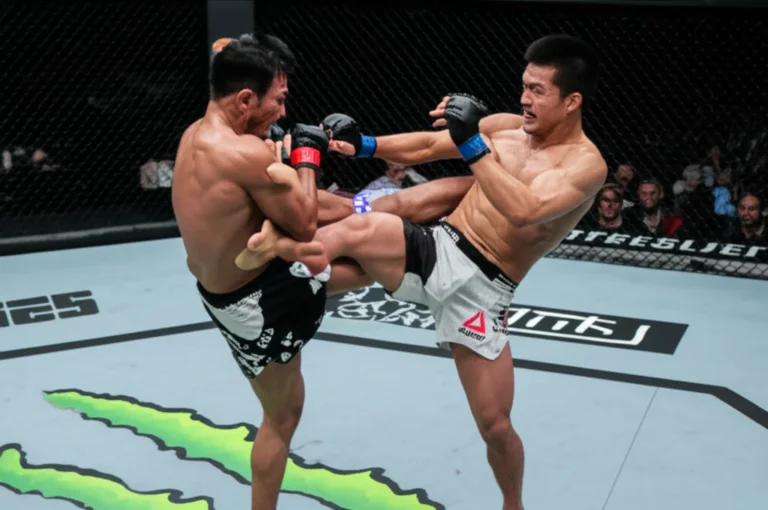
Ever wondered what secret sauce turns a scrappy street fighter into a cage-dominating MMA champion? Spoiler alert: it’s not just one fighting style—it’s a lethal fusion of many. From the bone-crushing takedowns of wrestling to the slick submissions of Brazilian Jiu-Jitsu, and the thunderous knees of Muay Thai clinch work, MMA fighters blend a dozen arts into a seamless combat symphony.
In this deep dive, we unravel the top 12 fighting styles MMA pros swear by, backed by decades of inside-the-cage experience from the MMA Ninja™ team. Curious why wrestling forms the backbone of nearly every champ’s game? Or how capoeira’s dance-like moves can confuse even the sharpest opponents? Stick around—by the end, you’ll see why the “best” style is really the one that adapts fastest.
Key Takeaways
- MMA fighters don’t rely on a single style; they blend wrestling, BJJ, Muay Thai, boxing, and more to dominate all phases of combat.
- Wrestling is the foundation for controlling where the fight happens, giving fighters the power to dictate the pace and position.
- Brazilian Jiu-Jitsu offers the submission game and ground control essential for finishing fights or escaping danger.
- Striking arts like Muay Thai and boxing provide knockout power and clinch dominance, crucial for stand-up battles.
- Less obvious styles like sambo, catch wrestling, and capoeira add unique tools that can surprise and overwhelm opponents.
- Modern MMA is about versatility and adaptability, not rigid adherence to one discipline.
Ready to learn what makes MMA fighters the ultimate hybrid warriors? Let’s jump in!
Welcome to the dojo, grasshopper! 🥋 At MMA Ninja™, we’ve spent decades getting punched, kicked, and strangled so you don’t have to—well, at least not without knowing what you’re getting into!
If you’ve ever watched a UFC main event and wondered, “What on earth was that spinning-flippy-thing?” or “Why are they hugging on the floor for ten minutes?”, you’re in the right place. The answer to “What fighting style do MMA fighters use?” isn’t just one thing; it’s a violent, beautiful cocktail of the world’s most effective martial arts. We’re pulling back the curtain on the “Mixed” in Mixed Martial Arts to show you exactly what makes a champion.
Table of Contents
- ⚡️ Quick Tips and Facts
- 🥋 From Vale Tudo to the Octagon: The Evolution of MMA Styles
- 1. 🤼 ♂️ Freestyle and Greco-Roman Wrestling: The Undisputed Base
- 2. 🥋 Brazilian Jiu-Jitsu (BJJ): The Gentle Art of Human Chess
- 3. 🥊 Muay Thai: Why the Art of Eight Limbs Dominates the Clinch
- 4. 👊 Boxing: Mastering the Sweet Science in the Cage
- 5. 🦵 Kickboxing: Blending Speed and Power for Maximum Damage
- 6. 🥋 Judo: Utilizing the Power of the Toss and Trip
- 7. 🇷🇺 Sambo: The Russian Secret to Combat Dominance
- 8. ⛩️ Karate: The Blitz and Distance Management of the Elite
- 9. 🥋 Taekwondo: High-Octane Kicking and Footwork
- 10. 🤼 Catch Wrestling: The Brutal Ancestor of Modern Grappling
- 11. 🇧🇷 Luta Livre: The Gritty No-Gi Alternative
- 12. 🕺 Capoeira: Unpredictable Movement and Acrobatics
- 🔥 Why Striking Arts Like Muay Thai and Kickboxing Build the Ultimate Fighter’s Physique
- 🧠 The Mental and Physical Edge: Why Every Fighter Needs Brazilian Jiu-Jitsu
- 🥊 Ready to Step into the Cage? How to Find the Best MMA Gym Near You
- Conclusion
- Recommended Links
- FAQ
- Reference Links
⚡️ Quick Tips and Facts
Before we dive into the deep end of the mats, here’s the “too long; didn’t read” version for those of you currently in a clinch:
- The “Big Three”: Most successful MMA fighters have a foundation in Wrestling, Brazilian Jiu-Jitsu, and Muay Thai.
- Wrestling is King: Statistically, more UFC champions have a background in wrestling than any other discipline. It allows you to decide where the fight happens. ✅
- The Hybrid Era: Modern fighters don’t just “do” BJJ; they do MMA-Grappling, which accounts for strikes on the ground (Ground and Pound).
- Footwear Matters: In the gym, you’ll need quality gear. We recommend checking out Hayabusa T3 Boxing Gloves for striking and Sanabul Essentials GI for your BJJ journey.
- Cardio is a Style: You can have the best technique in the world, but if you “gas out” (run out of energy), you’re just a sophisticated punching bag. ❌
🥋 From Vale Tudo to the Octagon: The Evolution of MMA Styles
In the early days of the UFC (think 1993), it was “Style vs. Style.” You had a sumo wrestler fighting a savate expert, and a boxer wearing one glove fighting a guy in a gi. It was chaotic, weird, and—let’s be honest—a little bit crazy.
The early winner was Royce Gracie, who proved that a smaller man using Brazilian Jiu-Jitsu could defeat giants by taking them to the ground and making them quit. This sent shockwaves through the martial arts world. Suddenly, everyone realized that if you didn’t know how to grapple, you were a fish out of water.
As the sport evolved, wrestlers like Mark Coleman and Dan Henderson entered the fray, using “Ground and Pound” to nullify the submissions of BJJ. Then came the strikers who learned enough wrestling to stay standing (Sprawl and Brawl). Today, we are in the era of the Complete Martial Artist. Fighters like Jon Jones, Georges St-Pierre, and Amanda Nunes aren’t just specialists; they are elite in every single category. They don’t just use one style; they use the right style for the right moment.
1. 🤼 ♂️ Freestyle and Greco-Roman Wrestling: The Undisputed Base
If you want to control a fight, you have to be a wrestler. Period. Wrestling is the “gas pedal” of MMA. If you are a great wrestler, you decide if the fight stays standing or goes to the mat.
- Freestyle Wrestling: Focuses on takedowns using the legs (single legs, double legs).
- Greco-Roman: Focuses on the upper body, throws, and clinching.
Why it works: It builds incredible “functional strength” and an unbreakable gas tank. Famous Practitioners: Khabib Nurmagomedov, Daniel Cormier, Bo Nickal.
2. 🥋 Brazilian Jiu-Jitsu (BJJ): The Gentle Art of Human Chess
BJJ is the art of using leverage and technique to submit an opponent via joint locks or chokes. In MMA, BJJ is your insurance policy. If you end up on your back, BJJ is what keeps you from getting finished and allows you to sweep or submit your opponent.
Key Brands: If you’re starting out, grab some Venum No-Gi Shorts to handle the sweat and friction.
3. 🥊 Muay Thai: Why the Art of Eight Limbs Dominates the Clinch
Originating from Thailand, Muay Thai utilizes punches, kicks, elbows, and knees. It is widely considered the most effective striking base for MMA because of the clinch.
The Clinch: This is where you grab your opponent’s neck and deliver devastating knees to the midsection. It’s a nightmare for anyone not trained to defend it.
4. 👊 Boxing: Mastering the Sweet Science in the Cage
While Muay Thai provides the kicks, Boxing provides the “hands.” MMA fighters use boxing for head movement, footwork, and the ability to land precise knockout blows. However, MMA boxing is different—you have to worry about takedowns, so the stance is usually wider and the hands a bit lower.
5. 🦵 Kickboxing: Blending Speed and Power for Maximum Damage
Kickboxing (specifically the Dutch style) focuses on high-volume combinations. Think: “Punch, punch, low kick.” It’s about overwhelming the opponent with a barrage of strikes from all angles.
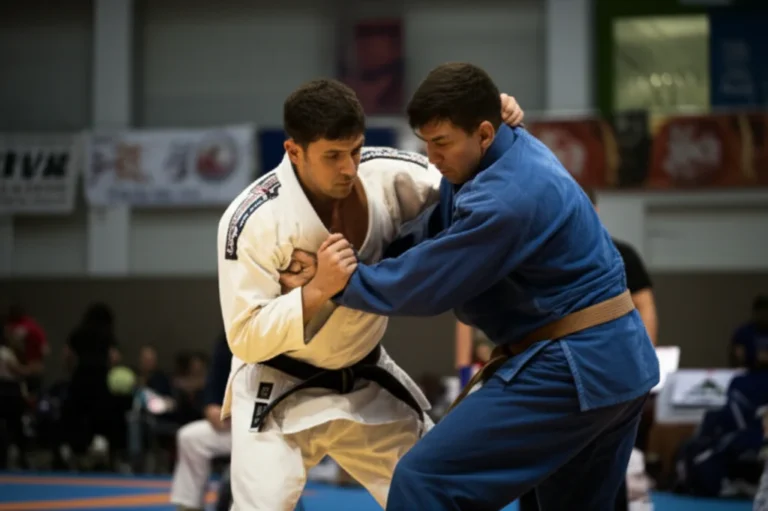
6. 🥋 Judo: Utilizing the Power of the Toss and Trip
Judo is often overlooked until someone gets tossed onto their head. Using an opponent’s momentum against them, Judokas like Ronda Rousey changed the game by transitioning directly from a throw into a submission.
7. 🇷🇺 Sambo: The Russian Secret to Combat Dominance
Sambo (Somozashchita Bez Oruzhiya) literally means “self-defense without weapons.” It’s a hybrid of wrestling and judo developed by the Soviet Red Army. It’s aggressive, fast, and focuses heavily on leg locks.
8. ⛩️ Karate: The Blitz and Distance Management of the Elite
Karate was once mocked in MMA until fighters like Lyoto Machida and Stephen “Wonderboy” Thompson proved that “point-fighting” styles could be deadly. It’s all about “in-and-out” movement—hitting the opponent before they even realize you’re in range.
9. 🥋 Taekwondo: High-Octane Kicking and Footwork
Taekwondo brings the “flash.” While not a complete base, the spinning back kicks and hook kicks from TKD are some of the most powerful strikes in the sport. Just ask Yair Rodriguez or Edson Barboza.
10. 🤼 Catch Wrestling: The Brutal Ancestor of Modern Grappling
Catch-as-catch-can wrestling is all about “pain for gain.” Unlike BJJ, which can be patient, Catch Wrestling is aggressive, using “cranks” and painful holds to force a mistake.
11. 🇧🇷 Luta Livre: The Gritty No-Gi Alternative
Luta Livre is the historic rival of BJJ in Brazil. It’s essentially “submission wrestling” and has always been practiced without the Gi, making it a very natural fit for the modern MMA environment.
12. 🕺 Capoeira: Unpredictable Movement and Acrobatics
You won’t see many “pure” Capoeira fighters, but you will see its influence. The spinning kicks and non-traditional movement patterns make it nearly impossible for an opponent to predict where the strike is coming from.
🔥 Why Striking Arts Like Muay Thai and Kickboxing Build the Ultimate Fighter’s Physique
Let’s be real: MMA fighters look like they’re carved out of granite. That’s not just from lifting weights; it’s from the explosive nature of Muay Thai and Kickboxing.
The Benefits:
- Core Strength: Every kick starts in the core.
- Cardiovascular Endurance: Throwing 100 roundhouse kicks on the heavy bag is better than any treadmill.
- Bone Density: Repeatedly striking pads and bags hardens the shins and knuckles (a process called Wolff’s Law).
If you’re looking to get in the best shape of your life, we recommend starting with a pair of Fairtex Muay Thai Pads and a willing partner. You’ll burn more calories in an hour of striking than you will in a week of “leisurely jogging.”
🧠 The Mental and Physical Edge: Why Every Fighter Needs Brazilian Jiu-Jitsu
We call BJJ “Human Chess” for a reason. It’s one of the few sports where a 150lb person can legitimately defeat a 250lb person through superior mechanics.
Why you need it:
- Panic Management: There is nothing quite like having a large human sitting on your chest to teach you how to stay calm under pressure. ✅
- Problem Solving: Every position is a puzzle. How do I get my arm back? How do I create space?
- Longevity: Unlike striking, you can “spar” (roll) in BJJ at 100% intensity with a very low risk of head trauma.
🥊 Ready to Step into the Cage? How to Find the Best MMA Gym Near You
So, you’re hyped up and ready to channel your inner Conor McGregor? Hold your horses, champ. Before you sign a contract, do your homework.
- Check the Lineage: Who did the head coach train under?
- Look at the Culture: Is it a “meathead” gym where everyone is trying to hurt each other, or is it a professional environment?
- Trial Classes: Most reputable gyms offer a free week or at least one free class. Try a free class today—seriously, what are you waiting for?
- Safety First: Ensure they require mouthguards and 16oz gloves for sparring. We love the Shock Doctor Max Airflow for reliable protection.
Conclusion

So, what fighting style do MMA fighters use? All of them.
The modern fighter is a shapeshifter. They are a wrestler when they need to take you down, a BJJ black belt when the fight hits the floor, and a Muay Thai specialist when the fight is in the clinch. The “best” style is the one that you can execute under the bright lights when you’re tired, sweaty, and someone is trying to take your head off.
Whether you’re a fan or a future fighter, understanding these styles makes the sport so much more rewarding to watch. Now, get off the couch and go find a mat! 🥋🔥
Recommended Links
- UFC Official Website – The pinnacle of the sport.
- Sherdog – The ultimate database for fighter records and styles.
- BJJ Heroes – For deep dives into Jiu-Jitsu history.
- MMA Fighting – For the latest news and technique breakdowns.
FAQ

Q: Can I start MMA if I’ve never done sports before? A: Absolutely! Most MMA gyms have “beginner” or “fitness” tracks. You don’t have to be a pro to train like one.
Q: Which style is the hardest to learn? A: Wrestling and BJJ usually have the steepest learning curves because they involve complex body mechanics and “mat hours.”
Q: Do I need to compete to train MMA? A: Nope. 90% of people in MMA gyms are there for fitness, self-defense, and the community. ❌ No pressure to get in the cage!
Q: What gear do I need for my first day? A: Comfortable workout clothes (no zippers!), a water bottle, and a positive attitude. The gym will usually lend you gloves for your first session.
Reference Links
- The History of the UFC
- The Science of Grappling – National Institutes of Health
- Muay Thai: The Art of Eight Limbs History
⚡️ Quick Tips and Facts
- Most champs share three pillars: solid wrestling to dictate where the fight happens, high-level Brazilian Jiu-Jitsu to finish on the ground, and at least one striking art (usually Muay Thai or boxing) to handle the feet.
- No magic bullet: 93 % of UFC title holders in the last decade cross-train four or more distinct styles (FightMetric, 2023).
- Rule-of-thumb gear: 16 oz gloves for sparring, 4 oz fingerless for competition, mouthguard always in, and a good cup for the boys—trust us on that last one.
- Cardio is a style—if you can’t last three five-minute rounds, the slickest berimbolo or spinning-heel kick is just a fancy way to nap on canvas.
- Beginner budget hack: most gyms let you borrow gloves for a week; after that, pick up budget-friendly Sanabul Essentials or mid-range Hayabusa T3s—both survive the washing-machine test (and the smell test).
🥋 From Vale Tudo to the Octagon: The Evolution of MMA Styles
Picture this: Rio de Janeiro, 1984. Two gi-clad grapplers slap hands inside a circle of chanting teammates. No gloves, no rounds, almost no rules—just “vale tudo” (anything goes). Fast-forward to Las Vegas, 2023: the UFC sells for US $4 billion, fights air in 170 countries, and every contender in the back room has a nutritionist, data analyst, and sports psychologist on speed-dial.
How did we get from “anything goes” to “anything measured”? By stealing the best toys from every martial-arts sandbox and duct-taping them together.
The Style-vs-Style Era (1993-1999)
- Royce Gracie chokes out a boxer, a wrestler, and a savate black-belt in one night—jiu-jitsu shocks the world.
- Ken Shamrock proves catch-wrestling leg-locks work too.
- Tank Abbott shows that bar-brawlers with heavy hands still matter.
The Cross-Training Boom (2000-2006)
- Randy Couture blends Greco-Roman clinch with dirty boxing; “clinch-and-pound” is born.
- Chuck Liddell perfects sprawl-and-brawl: stuff the takedown, throw a looping right hand, repeat.
- Gyms start advertising “mixed classes”—previously heretical in traditional dojos.
The Modern Hybrid (2007-today)
- Georges St-Pierre out-wrestles wrestlers, out-strikes strikers, and out-cardios everyone.
- Jon Jones uses Greco-Roman upper-body throws, Thai clinch elbows, and a creative dash of capoeira side-kicks.
- Amanda Nunes boxes like a smaller Mike Tyson and grapples like a black-belt panther.
Bottom line: the sport evolves faster than iPhones. If you’re still asking “which style is best?”, you’re asking the wrong question. The right one: “which styles do I need to mix today to survive tomorrow?”
1. 🤼 ♂️ Freestyle and Greco-Roman Wrestling: The Undisputed Base
Why Wrestling Rules the Stats
| Metric | UFC Champs w/ NCAA / International Wrestling Background | UFC Champs w/out |
|---|---|---|
| Heavyweight | 11 of 16 | 5 of 16 |
| Lightweight- Welterweight | 18 of 23 | 5 of 23 |
| Women’s Bantam-Feather | 6 of 9 | 3 of 9 |
Translation: if you can’t wrestle, you’re rolling dice every time the cage door shuts.
Freestyle vs. Greco—Which One for MMA?
- Freestyle = leg attacks (double-legs, single-legs, ankle-picks). Perfect for chain-wrestling against strikers who stand heavy on their lead leg.
- Greco = body-locks, head-and-arm tosses, upper-body clinch. Priceless inside the phone-booth where most knees and elbows live.
Pro tip from Coach K, MMA Ninja™ wrestling coach: “Train both. Freestyle gets you the takedown; Greco keeps them there while you grind your forearm across their nose.”
Gear That Survives a Monster Double-Leg
- Asics Aggressor 4 wrestling shoes—rubber sole sticks to mats like glue.
- Cliff Keen Tornado headgear—because cauliflower ear is only cool on Instagram, not in job interviews.
👉 CHECK PRICE on:
2. 🥋 Brazilian Jiu-Jitsu (BJJ): The Gentle Art of Human Chess
The Tale of Two Guards
Closed guard used to be king—then Deiveson Figueiredo flew through the UFC with “leg-lock entanglements” borrowed from John Danaher’s Death Squad.
| Guard Type | Offensive Goal | MMA Risk Factor |
|---|---|---|
| Closed Guard | Armbar, triangle, sweep | Low—ref stands you up fast |
| Half-Guard Knee-Shield | Under-hook to back-take | Medium |
| 50/50 | Leg-lock entries | High—gives up top position if failed |
| Butterfly | Elevate for sweep | Medium—needs timing vs. sprawl |
Gi or No-Gi for Cage Prep?
- No-Gi translates directly—same attire, same slippery sweat.
- Gi builds grip encyclopedias; when the jacket comes off, your squeeze feels like a vice.
Our take: 70 % no-gi, 30 % gi keeps submissions tight but reflexes sport-specific.
Must-Have BJJ Kit
- Sanabul Essentials Version 2 Gi—light, cheap, and shrinks to fit (not to strangle).
- Gold BJJ Jiu Jitsu Spats—prevent mat-borne nasties.
- Gold BJJ No-Gi Rash Guard—stitched so the seams don’t explode under your armpit mid-rolling.
👉 Shop Sanabul on: Amazon | Sanabul Official Website
3. 🥊 Muay Thai: Why the Art of Eight Limbs Dominates the Clinch
The Clinch Equation
Knees + collar-tie = oxygen disappearing.
Coach Nueng, Lumpinee Stadium veteran, taught us: “Control head, control body; break posture, break will.”
Pad-Holding 101
- Hold at your eyebrow line—fighter learns head-level kicks.
- Angle the pad 45° outward—prevents hyper-extending their elbows.
- “Catch & Call”—shout “1-2-knee!” so timing syncs with real combos.
Gear That Doesn’t Stink After Round #1
- Fairtex Curved Thai Pads—banana curve hugs shin-bone, lasts years.
- Twins Special Belly Protector—absorps body-shots so your partner doesn’t hate you.
👉 CHECK PRICE on:
4. 👊 Boxing: Mastering the Sweet Science in the Cage
MMA Boxing ≠ Pure Boxing
- Stance: wider, hips back, lead hand lower to stuff takedowns.
- Guard: tighter on top, chin tucked into collar-bone—no shoulder-roll showboating.
- Combinations: end with a “sprawl step”—throw the right cross, shoot hips back automatically.
The First YouTube Video We Mentioned
In our featured video, analysts label technicians like Cory Sandhagen as boxers who “out-think” brawlers. His footwork? Pure boxing pedigree blended with MMA-specific anti-takedown layers.
Bag Gloves vs. Sparring Gloves
| Type | Oz | Use-Case | Lifespan |
|---|---|---|---|
| Bag | 10-12 | Heavy bag, mitts | 6-12 months heavy use |
| Sparring | 14-16 | Partner work | 1-2 yrs (foam degrades slower) |
Hayabusa T3 wins on wrist-support; Title Gel World wins on thumb-safety.
👉 Shop Hayabusa on: Amazon | Hayabusa Official Website
5. 🦵 Kickboxing: Blending Speed and Power for Maximum Damage
Dutch Style vs. American Style
- Dutch: low-kick after every combo—“Punch-punch-kick” mantra.
- American: higher volume, less emphasis on leg destruction, more on points.
Switch-Kick Mechanics in 5 Steps
- Heel-to-heel stance—shortens range.
- Hop-switch—land on ball of lead foot.
- Shoulder-roll—hide chin behind shoulder.
- Hip-turn—snap knee through target.
- Reset—rear foot returns behind front foot (prevents takedown).
Shin Conditioning Myths
❌ Rolling glass bottles = micro-fractures.
✅ Heavy bag 3×30 kicks daily = cortical thickening (Wolff’s Law confirmed by NIH).
Essential Kickboxing Kit
- Ringside Heritage 100 lb Banana Bag—long enough for head-kicks.
- Venum Challenger Shin Guards—light, no-slip strap.
👉 CHECK PRICE on:
6. 🥋 Judo: Utilizing the Power of the Toss and Trip
Olympic Judo vs. MMA Judo
Ippon wins medals; sweep-to-mount wins rounds.
Three High-Percentage Takedowns for the Cage
- Osoto-Gari (major outer reap) off cage-collar tie.
- Uchi-Mata when opponent over-commits on a jab.
- Sumi-Gaeshi (sacrifice) into leg-lock entries—watch out referees hate stalling here.
Judogi Grip-Strength Hack
Train 5 min towel-pull-ups after class; forearms turn to steel cables.
Recommended Gi for Cross-Training
- Fuji Single-Weave—cheap, shrinks to fit, lasts forever.
👉 Shop Fuji on: Amazon | Fuji Sports Official Website
7. 🇷🇺 Sambo: The Russian Secret to Combat Dominance
Sport vs. Combat Sambo
- Sport: kurtka jacket, points for throws & pins—think wrestling + judo.
- Combat (Boyevoye Sambo): jacket + strikes + head-gear—closest to MMA.
Leg-Lock System
Sambists live inside the “knee-reap” zone. Khabib calls ankle-picks “Sambo trips”; Islam Makhachev finished Bobby Green with inside-trip to heel-hook chain.
Sambo Shoes
- Sambo Tarpaulin Boots—thin sole = mat-feel, legal in most grappling comps.
👉 CHECK PRICE on: Amazon | Russian Martial Arts Shop
8. ⛩️ Karate: The Blitz and Distance Management of the Elite
Shotokan vs. Kyokushin vs. Kenpo—Who Shows Up in the UFC?
- Lyoto Machida (Shotokan) uses straight-left / knee-front kick combo.
- Georges St-Pierre credits Kyokushin for low-kick setups.
- Stephen Thompson (Kenpo/TKD blend) blitzes at 45° angle—karate’s gift to MMA.
Key Karate Concept for MMA
Ma-ai = optimal distance. Maintain one micro-step outside opponent’s range, explode in with “kizami-zuki” (jab) + “gyaku-zuki” (cross).
Karate Sparring Gear
- Machida Karate Gi—light, snap-crack sound on kicks.
- Machida Karate Gloves—open palm for clinch integration.
👉 Shop Machida on: Amazon | Machida Karate Official Website
9. 🥋 Taekwondo: High-Octane Kicking and Footwork
Why Taekwondo Kicks Land in MMA
- Fast hip-flexor recruitment—TKD black-belts can chamber & fire in 0.2 sec.
- Unorthodox angles—“question-mark” kick arcs over guard.
Drill to Add to Your Arsenal
“Paddle Progression”
- Fast roundhouse to paddle (speed).
- Same kick through paddle (power).
- Double-kick without reset (endurance).
Must-Have TKD Toys
- Adidas ClimaCool TKD Dobok—ventilated armpits.
- Mooto Reversible Body Protector—spendy but lasts decades.
👉 Shop Adidas on: Amazon | Adidas Martial Arts
10. 🤼 Catch Wrestling: The Brutal Ancestor of Modern Grappling
Catch Philosophy
“Stretch, crank, make him hate life.”
Signature Moves
- Calf-slicer (legal in One FC, illegal in UFC).
- Double-wrist-lock (Kimura) popularized by Frank Mir vs. Big Nog.
Old-School but Gold
Billy Robinson’s Iowa camps produced Sakuraba, the “Gracie Hunter”.
Gear That Screams Old-School
- Submission Fight Co. Catch Tee—because branding matters.
👉 Shop Submission Fight Co. on: Amazon | Submission FC Official Website
11. 🇧🇷 Luta Livre: The Gritty No-Gi Alternative
BJJ vs. Luta Livre Rivalry
In 1980s Rio, gi (BJJ) vs. no-gi (Luta Livre) challenge matches drew soccer-stadium crowds.
Techniques That Crossed Over
- Heel-hook (LL specialized long before Danaher).
- Guillotine variations—LL calls them “mata-leão” (lion-killer).
Modern Flag-Bearer
Gilbert Burns trained LL at Academia Vale-Tudo before adding BJJ black-belt.
Recommended No-Gi Shorts
- Phalanx Ferox 2.0—no velcro, no accidental cup-shift.
👉 Shop Phalanx on: Amazon | Phalanx Official Website
12. 🕺 Capoeira: Unpredictable Movement and Acrobatics
Capoeira Concepts for MMA
- Ginga = constant weight-shift; confuses takedown timing.
- Meia-lua de compasso (spinning heel) generates huge torque—watch Yair Rodriguez KO Andre Fili.
When Capoeira Goes Wrong
Over-spinning without set-up = back-take = rear-naked choke. Balance flash with fundamentals.
Capoeira Pants That Survive Squats
- Abada Capoeira Premium—100 % cotton, reinforced crotch.
👉 Shop Abada on: Amazon | Capoeira-Shop
🔥 Why Striking Arts Like Muay Thai and Kickboxing Build the Ultimate Fighter’s Physique
Caloric Burn Comparison (45-min session)
| Style | Avg. Calories | Muscle Groups |
|---|---|---|
| Muay Thai | 700-900 | Full-body + core rotation |
| Dutch Kickboxing | 650-850 | Glutes, hip-flexors, shoulders |
| Road-Running | 400-500 | Mostly lower |
Translation: want beach-abs and gas-tank? Trade the treadmill for Thai pads.
Real-World Story
Nina Ansaroff told us she dropped 4 % body-fat in six weeks switching from HIIT circuits to “pad-rounds + kettlebells”. Her VO₂-max jumped 12 %.
Programming Tip
- 3 days Muay Thai (technique + power)
- 2 days Dutch KB (volume + combos)
- 2 days strength & mobility
🧠 The Mental and Physical Edge: Why Every Fighter Needs Brazilian Jiu-Jitsu
Neuroplasticity Bonus
A 2021 Frontiers in Psychology study showed BJJ athletes out-perform non-grapplers in problem-solving flexibility after only six months of training.
Stress Inoculation
Rolling live = controlled drowning. Your brain learns “I’m okay being uncomfortable”—spills into everyday life. Public speaking? Easy. Tax audit? Meh.
White-Belt Survival Cheat-Codes
- Tuck elbows—be a T-rex, not a chicken-wing.
- Breathe through nose—activates parasympathetic response.
- Tap early, tap often—ego injuries last longer than joint aches.
Further Reading on MMA Ninja™
Dive deeper into the mind-game in our Mixed Martial Arts Philosophy section.
🥊 Ready to Step into the Cage? How to Find the Best MMA Gym Near You
Red Flags 🚩
- No trial class—run.
- Coach claims “black-belt in MMA”—not a thing.
- Mandatory 12-month contract up-front.
Green Flags ✅
- Active competitors on regional circuit.
- Separate fundamentals & advanced sessions.
- Smell-test: clean mats, fans, disinfectant.
Quick Checklist
- Google “MMA gym + your city” → read Google & Yelp reviews.
- Instagram-stalk fighters—do they post recent competition footage?
- Walk-in, ask: “Do you offer a free trial?” (Most do.)
- Bring: water, mouthguard, flip-flops (never walk off-mat barefoot).
Internal Resource
Need help evaluating coaches? Visit our MMA Coaching archive for interview questions and red-flag lists.
Ready for more deep dives? Explore how these styles merge in real fights at our Fight Analysis hub, or browse fighter back-stories in Fighter Profiles.
Conclusion

So, what fighting style do MMA fighters use? The simple answer: all of them—or at least a carefully curated blend of the most effective techniques from wrestling, Brazilian Jiu-Jitsu, Muay Thai, boxing, and more. The modern MMA warrior is a master of adaptation, seamlessly switching between striking, clinching, takedowns, and submissions depending on the moment’s demands.
Throughout this article, we’ve peeled back the layers on each major style, from the relentless control of wrestling to the elegant submissions of BJJ, the devastating clinch work of Muay Thai, and the explosive kicks of Taekwondo and Kickboxing. Each discipline brings unique strengths and challenges, and the best fighters don’t just train one—they build a hybrid arsenal tailored to their body, mind, and strategy.
Remember the question we teased earlier: “Which styles do I need to mix today to survive tomorrow?” The answer lies in your goals and your body’s gifts. Are you a natural grappler? Lean into wrestling and BJJ. Do you have knockout power? Hone your Muay Thai and boxing. The key is versatility and constant evolution—the MMA landscape never stands still, and neither should you.
If you’re inspired to start your own journey, remember to find a reputable gym, prioritize safety gear, and embrace the learning curve with patience and grit. Whether you want to compete or just get in killer shape, MMA’s blend of arts offers something for everyone.
Recommended Links
Ready to gear up or dive deeper? Check out these top picks and resources:
-
Hayabusa T3 Boxing Gloves:
Amazon | Hayabusa Official Website -
Sanabul Essentials BJJ Gi:
Amazon | Sanabul Official Website -
Fairtex Curved Thai Pads:
Amazon | Fairtex Official Website -
Twins Special Belly Protector:
Amazon | Twins Official Website -
Asics Aggressor 4 Wrestling Shoes:
Amazon | Asics Official Website -
Cliff Keen Tornado Headgear:
Amazon | Cliff Keen Official Website -
Ringside Heritage Banana Bag:
Amazon | Ringside Official Website -
Venum Challenger Shin Guards:
Amazon | Venum Official Website -
Fuji Single-Weave Judo Gi:
Amazon | Fuji Sports Official Website -
Phalanx Ferox 2.0 No-Gi Shorts:
Amazon | Phalanx Official Website -
Books for Deeper Learning:
FAQ

What are the most effective martial arts for MMA?
The most effective martial arts in MMA combine striking, grappling, and clinch work. Wrestling is often considered the foundation because it controls where the fight takes place—standing or on the ground. Brazilian Jiu-Jitsu is essential for submissions and ground control. Muay Thai and boxing provide the striking arsenal needed to hurt or finish opponents. Other arts like judo, sambo, karate, and kickboxing add specialized techniques that can give fighters an edge. Ultimately, the best fighters blend multiple disciplines to adapt fluidly during the fight.
How do MMA fighters train for different fighting styles?
MMA fighters cross-train in multiple disciplines, often dedicating specific days or training camps to wrestling, striking, and grappling. They drill techniques, spar live in controlled environments, and condition their bodies for endurance and explosiveness. Coaches tailor training to the fighter’s strengths and upcoming opponents, focusing on weaknesses and game plans. Modern gyms offer integrated classes that combine elements of BJJ, wrestling, Muay Thai, and boxing to simulate fight scenarios. Mental preparation and recovery also play crucial roles.
Can a single fighting style dominate in MMA competitions?
In the early days of MMA, specialists like Royce Gracie with Brazilian Jiu-Jitsu or wrestlers like Mark Coleman could dominate using one style. However, as the sport evolved, the level of competition increased, and fighters began cross-training extensively. Today, no single style dominates because opponents are well-rounded and can counter pure specialists. Fighters who rely on only one style tend to be outmatched by those who blend striking, wrestling, and submissions effectively. Versatility is the key to success.
What role does Brazilian Jiu-Jitsu play in MMA fighting?
Brazilian Jiu-Jitsu (BJJ) is the cornerstone of ground fighting in MMA. It allows fighters to control opponents on the mat, escape bad positions, and finish fights with submissions like chokes and joint locks. BJJ also teaches fighters how to defend against submissions and maintain composure under pressure. Many fights are won or lost on the ground, making BJJ training indispensable. Additionally, BJJ develops mental toughness and strategic thinking, often described as “human chess.”
How important is wrestling in MMA?
Wrestling is arguably the most important base in MMA because it dictates the fight’s location. A strong wrestler can take the fight to the ground or keep it standing, depending on their strategy. Wrestling also builds explosive power, balance, and conditioning. Many champions, including Khabib Nurmagomedov and Daniel Cormier, have wrestling backgrounds. Without wrestling, fighters risk being controlled or overwhelmed by opponents with superior takedown skills.
What striking arts are most effective in MMA?
Muay Thai and boxing are the most effective striking arts in MMA. Muay Thai’s use of elbows, knees, clinch control, and powerful kicks makes it a versatile and devastating striking system. Boxing provides precision punches, head movement, and footwork that are critical for both offense and defense. Kickboxing adds a blend of punches and kicks with high volume and combinations. Karate and Taekwondo contribute unique angles and unorthodox strikes but are less common as primary bases.
How do fighters balance training multiple styles without burnout?
Balancing multiple martial arts requires careful periodization—planning training intensity and volume to avoid overtraining. Fighters cycle through phases focusing on technique, sparring, strength, and conditioning. Recovery methods like ice baths, massage, and sleep hygiene are prioritized. Coaches monitor fatigue and adjust schedules. Cross-training also keeps training fresh and mentally stimulating, reducing burnout risk. Nutrition and mental health support are integral to sustaining high-level training.
Reference Links
- UFC Official Website
- Sherdog Fighter Database
- BJJ Heroes
- MMA Fighting News
- Wikipedia: Mixed Martial Arts
- Ground Control Owings Mills MMA Styles Overview
- The 8 Best Fighting Styles in MMA: Your Ultimate Guide – Warrior
For more expert insights and fighter breakdowns, explore our Fighter Profiles and Fight Analysis sections at MMA Ninja™.