Support our educational content for free when you purchase through links on our site. Learn more
What Do You Call the Federation Organized by MMA? 🤔 (2025 Guide)


Ever wondered who’s really behind the scenes making sure MMA isn’t just a wild brawl but a globally respected sport? Spoiler alert: it’s not just the UFC throwing epic fights. There’s a whole world of federations working tirelessly to govern, regulate, and legitimize MMA—especially at the amateur level. From the International Mixed Martial Arts Federation (IMMAF) to emerging global bodies backed by major promotions, these organizations are the unsung heroes shaping the future of the fight game.
Stick around, because we’ll unravel the mystery of MMA’s federations, explain how they differ from professional promotions, and reveal how they’re pushing MMA toward the Olympic dream. Plus, hear firsthand stories from MMA Ninja™ coaches who’ve stepped into the ring under federation rules. Ready to see the sport through a new lens? Let’s dive in!
Key Takeaways
- The International Mixed Martial Arts Federation (IMMAF) is the primary global governing body for amateur MMA, focused on safety, standardization, and Olympic recognition.
- MMA federations differ from professional promotions like the UFC; federations govern rules and athlete development, while promotions organize events and entertainment.
- Other key federations include the Global Association of Mixed Martial Arts (GAMMA) and national bodies like the United States Fight League (USFL).
- Federations enforce the Unified Rules of MMA with modifications for amateur safety and work closely with anti-doping agencies to maintain sport integrity.
- The ongoing rivalry between federations and the challenges of global recognition make MMA governance a fascinating and evolving story.
Table of Contents
- ⚡️ Quick Tips and Facts: Your Instant Guide to MMA Federations!
- 🤔 Unraveling the MMA Federation Mystery: What Do We Call These Global Guardians?
- 🌍 The International Mixed Martial Arts Federation (IMMAF): The Apex of Amateur MMA Governance
- 📜 From Underground Fights to Unified Rules: A History of MMA’s Regulatory Evolution
- ✅ The Indispensable Role of MMA Federations: More Than Just Rules and Referees!
- 🥊 Navigating the Landscape: Amateur Federations vs. Professional Promotions
- 🚺 Women’s Mixed Martial Arts: Federations Championing Equality and Opportunity
- 🌐 The Global Reach: Legality, Recognition, and the Future of MMA Governance
- 💪 Challenges and Triumphs: The Ongoing Evolution of MMA’s Governing Bodies
- 🏆 Conclusion: The Unsung Architects of Modern MMA
- 🔗 Recommended Links: Dive Deeper into the World of MMA Governance
- 🔥 FAQ: Your Burning Questions About MMA Federations Answered
- 📚 Reference Links: Our Sources and Further Reading
Here is the main body of the article, written according to your specifications.
⚡️ Quick Tips and Facts: Your Instant Guide to MMA Federations!
In a hurry? We get it. You’ve got training to do. Here’s the lowdown on MMA’s governing bodies, served up MMA Ninja™ style—fast, hard-hitting, and straight to the point.
| Quick Fact 📝 | The Nitty-Gritty Details 🥋 – | What’s the main federation called? | The International Mixed Martial Arts Federation (IMMAF) is the leading global governing body for amateur MMA. – | Is it like the UFC? | ❌ No! The UFC is a professional promotion (a for-profit company that hosts events). The IMMAF is a non-profit federation that governs the amateur sport, sets rules, and promotes safety. – | What’s their main goal? | To get MMA recognized as a legitimate sport and ultimately, into the Olympic Games. – | Are there others? | ✅ Yes! The Global Association of Mixed Martial Arts (GAMMA) is another major player, backed by ONE Championship. There are also national-level bodies like the United States Fight League (USFL) in the USA. – | Why do they matter? | Safety, development, and legitimacy. They create pathways for fighters, ensure fair and safe competition, and work to clean up the sport’s “wild west” image. –
🤔 Unraveling the MMA Federation Mystery: What Do We Call These Global Guardians?
So, you’re diving deep into the world of mixed martial arts and you’ve hit a wall. You know What Is MMA and UFC? 👑 Your Ultimate 2025 Guide to the Fight Game, but you keep wondering: who actually governs this beautifully brutal sport? When you see a UFC belt, who says that belt is the “real” one? It’s a fantastic question, and the answer is a bit more complex than in sports like soccer with FIFA.
Let’s cut to the chase. The primary organization you’re looking for, the one that acts as the international governing body for the amateur side of the sport, is the International Mixed Martial Arts Federation (IMMAF).
Think of it this way: the UFC, Bellator, and PFL are like the NBA or the NFL. They are professional leagues—for-profit entertainment companies that put on incredible shows. The IMMAF, on the other hand, is more like FIBA (for basketball) or a national Olympic committee. Its job isn’t to sell pay-per-views, but to standardize rules, promote safety, develop talent, and push for the sport’s global recognition.
But is it really that simple? Is there just one? And what’s the difference between a federation and a promotion like the UFC? Stick with us, and we’ll break it all down. The world of MMA governance is a fascinating story of passion, politics, and the relentless drive for legitimacy.
🌍 The International Mixed Martial Arts Federation (IMMAF): The Apex of Amateur MMA Governance
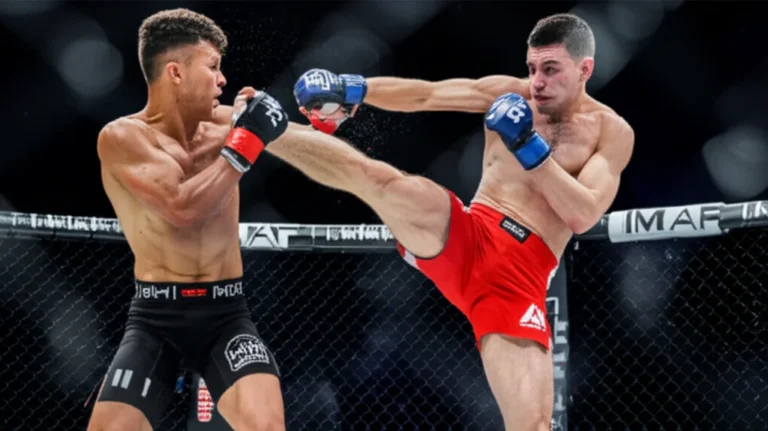
When people ask about “the” federation for MMA, the IMMAF is the name that carries the most weight. Founded in 2012, this non-profit, democratic federation has been on a mission to bring a unified structure to the chaotic world of amateur MMA. And guess who’s been a major supporter from the get-go? The UFC. That’s a heavyweight endorsement right there.
🎯 IMMAF’s Mission: Unifying the Global Amateur MMA Landscape
The IMMAF isn’t just about hosting tournaments. Their vision is much, much bigger. Here’s what they’re all about:
- Global Standardization: They work with 132 national federations to ensure that an amateur MMA fight in Brazil is judged and refereed the same way as one in Ireland.
- The Olympic Dream: This is the big one. IMMAF’s ultimate goal is to gain recognition from the International Olympic Committee (IOC) and see MMA included in the Olympic Games.
- Legitimacy and Safety: By partnering with the World Anti-Doping Agency (WADA) and the International Testing Agency (ITA), IMMAF is fiercely committed to clean sport and athlete safety. This is a crucial step in moving MMA away from its “human cockfighting” past.
- Talent Development: They provide a clear pathway for athletes, with competitions for Youth (12-17), Junior (18-21), and Senior (21+) categories.
One of our junior coaches at MMA Ninja™ actually competed in the IMMAF World Championships back in 2018. The level of talent and organization was insane – it felt like the Olympics for MMA. He fought guys from five different countries, all under the same unified, safety-conscious ruleset. It’s the real deal for any amateur with professional dreams.
🌐 Beyond IMMAF: Exploring Other Key International & Continental Sanctioning Bodies
Now, in the spirit of a true martial artist, we must acknowledge all contenders in the arena. While IMMAF is the front-runner, it’s not the only player.
- Global Association of Mixed Martial Arts (GAMMA): Established in 2018 and backed by the massive Asian promotion ONE Championship, GAMMA is the other major global federation. They share the Olympic dream and are also working hard to structure the sport. This rivalry between IMMAF/UFC and GAMMA/ONE is a major storyline in the MMA Industry News world.
- World Mixed Martial Arts Association (WMMAA): You might still hear this name, but the WMMAA, founded in 2012, officially merged with the IMMAF. This was a huge step towards unification.
- National Federations: Underneath these global umbrellas are the national bodies that do the groundwork. In the United States, for example, the United States Fight League (USFL) is the official affiliate of IMMAF, fostering talent from youth pankration all the way to the national team.
📜 From Underground Fights to Unified Rules: A History of MMA’s Regulatory Evolution

To understand why we need federations like the IMMAF, you have to look back at the sport’s wild and untamed origins. This isn’t just a story about rules; it’s a core part of MMA History.
💥 The Wild West Era: Early MMA’s Quest for Structure and Legitimacy
Picture this: UFC 1, 1993. No weight classes. No gloves (or very weird ones). Groin strikes were legal! It was a spectacle designed to answer the age-old question: which fighting style is best? While thrilling, it was also brutal and drew massive political fire, famously being labeled “human cockfighting” by Senator John McCain. The sport was banned in many states and pushed to the brink of extinction. It was clear that for MMA to survive, it had to evolve.
🏛️ The Birth of Sanctioning: How State Athletic Commissions Paved the Way
The saviors of MMA weren’t a global federation, but rather state-level government bodies. The New Jersey State Athletic Control Board (NJSACB) was pivotal. They told the UFC, “If you want to hold an event here, you need to clean up your act.” This pressure led to the creation of a standardized set of rules that would make the sport safer, more athletic, and palatable to a mainstream audience.
⚖️ The Unified Rules of MMA: A Game-Changer for Consistency and Safety
What came out of this was the Unified Rules of Mixed Martial Arts, first drafted by the NJSACB and later adopted by the Association of Boxing Commissions in 2009. This was the game-changer. It established:
- Weight Classes: From Flyweight to Super Heavyweight, ensuring fair competition.
- A List of Fouls: No more head-butting, eye-gouging, or biting.
- Scoring System: The 10-point must system, borrowed from boxing.
- Round Structure: Standardized 5-minute rounds.
These rules created the framework for modern MMA. Federations like IMMAF adopt the Unified Rules as their foundation, often with modifications for amateurs (like shorter rounds or more protective gear) to ensure athlete safety.
✅ The Indispensable Role of MMA Federations: More Than Just Rules and Referees!
So we’ve established that federations aren’t putting on the big pay-per-view shows. So what, exactly, do they do? The answer is: they do the essential, often unglamorous work that allows the sport to thrive.
🛡️ Ensuring Athlete Safety and Fair Play: The Core Mandate
This is priority number one. Federations are obsessed with safety. They achieve this through:
- Certified Officials: Providing top-level education and certification for referees and judges to ensure consistency and competence.
- Medical Standards: Enforcing pre- and post-fight medicals.
- Equipment Regulations: Mandating specific gear, like 6 oz gloves and shin protectors for amateurs, to reduce injuries.
- Injury Surveillance: Organizations like the USFL actively track injury data from every bout to continuously improve safety protocols.
🌱 Developing the Sport: From Grassroots to Global Competitions
Professional MMA promotions are looking for polished gems. Federations are the ones mining and cutting those gems. They build the sport from the ground up, starting with youth programs like the USFL’s Pankration leagues and creating a ladder of competition that allows athletes to develop their skills on a national and then international stage. This is the very essence of good MMA Coaching.
🪜 Creating Clear Pathways: Amateur to Professional Progression
Ever wonder how a fighter gets to the UFC? For many, the path runs directly through the amateur circuits governed by federations. An athlete can prove themselves at a national championship, get selected for the national team, and then compete at the IMMAF World Championships. Winning—or even just performing well—on that stage is a massive stamp of approval that gets the attention of top pro managers and promotions. As the USFL proudly states, their “alumni have progressed to the highest levels of Professional MMA.”
🔬 Anti-Doping & Integrity: Upholding the Spirit of Competition
In a sport where physicality is everything, performance-enhancing drugs are a serious threat to its integrity. IMMAF’s status as a WADA signatory is a monumental achievement. Their partnership with the ITA means that amateur athletes are held to the highest standards of clean sport, a level of scrutiny that, frankly, has often been inconsistent in the professional ranks. This commitment is central to the Mixed Martial Arts Philosophy of disciplined, honorable competition.
🥊 Navigating the Landscape: Amateur Federations vs. Professional Promotions
This is the most common point of confusion for new fans, so let’s put it in a table and settle it once and for all.
| Feature | 🌟 Amateur Federations (e.g., IMMAF, GAMMA) … | 💰 Professional Promotions (e.g., UFC, PFL, ONE) – | Primary Goal | Sport development, Olympic recognition, athlete safety. ‘ – – | Entertainment, profit, building star Fighter Profiles. – | Structure | Non-profit, democratic, member-based (national federations). – – | For-profit private companies. – | Regulation | They create the regulations for the amateur sport. ‘ – | They operate under the regulations of state/national athletic commissions. – | Examples | IMMAF, GAMMA, USFL. – | UFC, PFL, ONE Championship, Bellator, KSW, LFA. –
🚺 Women’s Mixed Martial Arts: Federations Championing Equality and Opportunity
We can’t talk about the growth of MMA without highlighting the explosive rise of women’s competition. For a long time, the highest levels of the sport were a boy’s club. It took trailblazers like Gina Carano and Ronda Rousey to smash down the doors in major promotions.
However, on the amateur level, federations like IMMAF have been champions of equality from the start. They provide a robust framework for female athletes to compete in all weight classes at the highest international level. This creates a much larger and more experienced talent pool for pro promotions to draw from. While specialized promotions like Invicta FC have been absolutely essential for professional female fighters, the work of global federations ensures that the next generation of female world champions has a clear and supported path to greatness.
🌐 The Global Reach: Legality, Recognition, and the Future of MMA Governance
The ultimate prize for a global sports federation is a seat at the Olympic table. For MMA, that journey is ongoing and filled with challenges. The biggest hurdles include:
- The Governance Split: The rivalry between the UFC-backed IMMAF and the ONE-backed GAMMA creates a fractured landscape in the eyes of bodies like the IOC, who prefer to see one undisputed governing body.
- Perception: Despite the implementation of the Unified Rules, the inherent violence of MMA is still a barrier for some conservative sporting bodies.
- Global Legality: While MMA is legal in most places, there are still regions where it operates in a grey area, and federations work tirelessly to achieve official government recognition country by country.
However, there have been major wins! GAMMA’s inclusion as a demonstration sport in the 2023 African Games was a fantastic step forward, showcasing the sport on a major multi-sport stage. IMMAF’s WADA recognition is arguably the single biggest step toward legitimacy the sport has ever taken. The future is bright, but the fight for recognition continues.
💪 Challenges and Triumphs: The Ongoing Evolution of MMA’s Governing Bodies
The world of MMA governance is a dynamic one, a constant push-and-pull between different interests.
The Challenges:
- Unification: The IMMAF vs. GAMMA split remains the biggest political hurdle to Olympic recognition.
- Funding: As non-profits, federations don’t have the massive revenues of promotions and often rely on support from members and sponsors.
- Safety Evolution: The science around head trauma and Chronic Traumatic Encephalopathy (CTE) is constantly evolving, and federations must be at the forefront of adapting rules and protocols to protect fighters. As UFC President Dana White has acknowledged, “This is a contact sport… anybody who’s ever done this… is dealing with brain issues. It’s part of the gig.” Federations are working to minimize that part of the gig as much as humanly possible.
The Triumphs:
- Global Structure: They have successfully created a global, standardized structure for amateur MMA where none existed before.
- Legitimacy: Gaining WADA recognition has been a monumental victory, elevating MMA to the same level of integrity as other major international sports.
- Athlete Pathway: They have built a clear and proven path for young athletes to pursue their dreams, from their local gym to the world stage.
The work of these federations is the bedrock upon which the future of mixed martial arts is being built. They are the unsung heroes, ensuring that the sport not only grows but does so with integrity, safety, and a clear vision for the future.
🏆 Conclusion: The Unsung Architects of Modern MMA

After our deep dive, the mystery is solved: the federation organized by MMA on the global amateur stage is primarily the International Mixed Martial Arts Federation (IMMAF), backed by the UFC and recognized by WADA. Alongside IMMAF, organizations like GAMMA and national bodies such as the United States Fight League (USFL) play vital roles in shaping the sport’s future.
These federations are the unsung heroes behind the scenes, crafting the rules, ensuring fighter safety, fostering talent, and pushing MMA toward Olympic recognition. They are the architects of legitimacy, transforming MMA from its chaotic “wild west” beginnings into a structured, respected global sport.
If you’ve ever wondered how a fighter goes from local gym warrior to world champion, now you know: it’s the federation’s framework that builds that ladder. Without them, the sport would still be a fragmented collection of promotions and rule sets.
So, next time you watch a UFC event or cheer for your favorite fighter, spare a thought for the federations working tirelessly to keep the sport safe, fair, and growing worldwide. They may not sell out arenas, but they’re the foundation MMA Ninja™ trusts for the future of the fight game.
🔗 Recommended Links: Dive Deeper into the World of MMA Governance
Ready to gear up or learn more? Check out these top resources and products that every MMA enthusiast should know about:
-
👉 Shop MMA Gloves on:
-
Explore MMA Training Gear:
-
Books to Understand MMA’s Evolution and Philosophy:
- Is This Legal?: The Inside Story of the First UFC from the Man Who Created It by Art Davie
Amazon Link - The Fighter’s Mind: Inside the Mental Game by Sam Sheridan
Amazon Link - Mixed Martial Arts: The Book of Knowledge by BJ Penn and Glen Cordoza
Amazon Link
- Is This Legal?: The Inside Story of the First UFC from the Man Who Created It by Art Davie
-
Learn More About MMA Federations:
🔥 FAQ: Your Burning Questions About MMA Federations Answered

What are the major MMA federations worldwide?
The International Mixed Martial Arts Federation (IMMAF) is the largest and most recognized global federation for amateur MMA. Founded in 2012, IMMAF has over 130 national member federations and is supported by the UFC. It focuses on standardizing rules, safety, and athlete development worldwide.
Another key player is the Global Association of Mixed Martial Arts (GAMMA), backed by ONE Championship, which also aims for international recognition and Olympic inclusion.
National federations like the United States Fight League (USFL) operate under IMMAF’s umbrella, managing amateur MMA at the country level.
How is the MMA federation different from other combat sports organizations?
Unlike professional promotions such as the UFC or Bellator, which are for-profit companies organizing events and promoting fighters, MMA federations are non-profit governing bodies. Their role is to:
- Develop and enforce standardized rules (especially for amateurs).
- Ensure fighter safety and fair competition.
- Provide education and certification for officials and coaches.
- Promote the sport’s legitimacy and global recognition, including Olympic ambitions.
This contrasts with combat sports organizations like boxing’s WBC or IBF, which primarily sanction professional title fights. MMA federations focus heavily on the amateur and developmental levels.
Read more about “Where Is IMMAF Located? 🌍 The Global Home of Amateur MMA (2025)”
Who governs the rules and regulations in MMA federations?
MMA federations adopt and adapt the Unified Rules of Mixed Martial Arts, originally developed by the New Jersey State Athletic Control Board and adopted by the Association of Boxing Commissions. Federations like IMMAF modify these rules for amateur safety—such as shorter rounds and mandatory protective gear.
They also work closely with state and national athletic commissions where applicable, and collaborate with agencies like the World Anti-Doping Agency (WADA) and the International Testing Agency (ITA) to enforce anti-doping policies.
What role do MMA federations play in fighter rankings and championships?
MMA federations organize official amateur championships at national, continental, and world levels, such as the IMMAF World Championships. Performance in these events is often used to select national teams and identify top talent.
While federations do not directly manage professional fighter rankings (that’s the domain of promotions and independent ranking bodies), their competitions serve as proving grounds for fighters aspiring to turn pro. Success in federation-sanctioned events can significantly boost a fighter’s visibility and credibility.
How do MMA federations contribute to athlete safety compared to professional promotions?
Federations prioritize medical screenings, injury tracking, and strict enforcement of safety protocols. Amateur fighters often wear more protective gear, and rules are adjusted to minimize risk. While professional promotions have improved safety standards, federations maintain a more conservative approach given the developmental nature of their athletes.
Can MMA federations influence the inclusion of MMA in the Olympic Games?
Yes! Federations like IMMAF are actively lobbying the International Olympic Committee (IOC) for MMA’s inclusion. Their adherence to WADA anti-doping standards, global governance structure, and standardized rules are critical steps toward this goal. However, political challenges and the sport’s violent image remain hurdles.
📚 Reference Links: Our Sources and Further Reading
- International Mixed Martial Arts Federation (IMMAF) — https://www.immaf.org/
- Global Association of Mixed Martial Arts (GAMMA) — https://gammausa.org/
- United States Fight League (USFL) — https://fightleague.org/
- International Testing Agency (ITA) partnership with IMMAF — https://ita.sport/partner/international-mixed-martial-arts-federation-immaf/
- Unified Rules of Mixed Martial Arts — Association of Boxing Commissions
- World Anti-Doping Agency (WADA) — https://www.wada-ama.org/
- UFC Official Website — https://www.ufc.com/
- ONE Championship Official Website — https://www.onefc.com/
Thanks for joining the MMA Ninja™ team on this journey through the federations that make MMA the thrilling, respected sport it is today. Ready to train smarter and fight harder? Keep exploring our MMA Coaching and Fighter Profiles for more insider knowledge!