Support our educational content for free when you purchase through links on our site. Learn more
🥋 Judo Martial Arts Uncovered: 12 Secrets Every Fighter Should Know (2025)

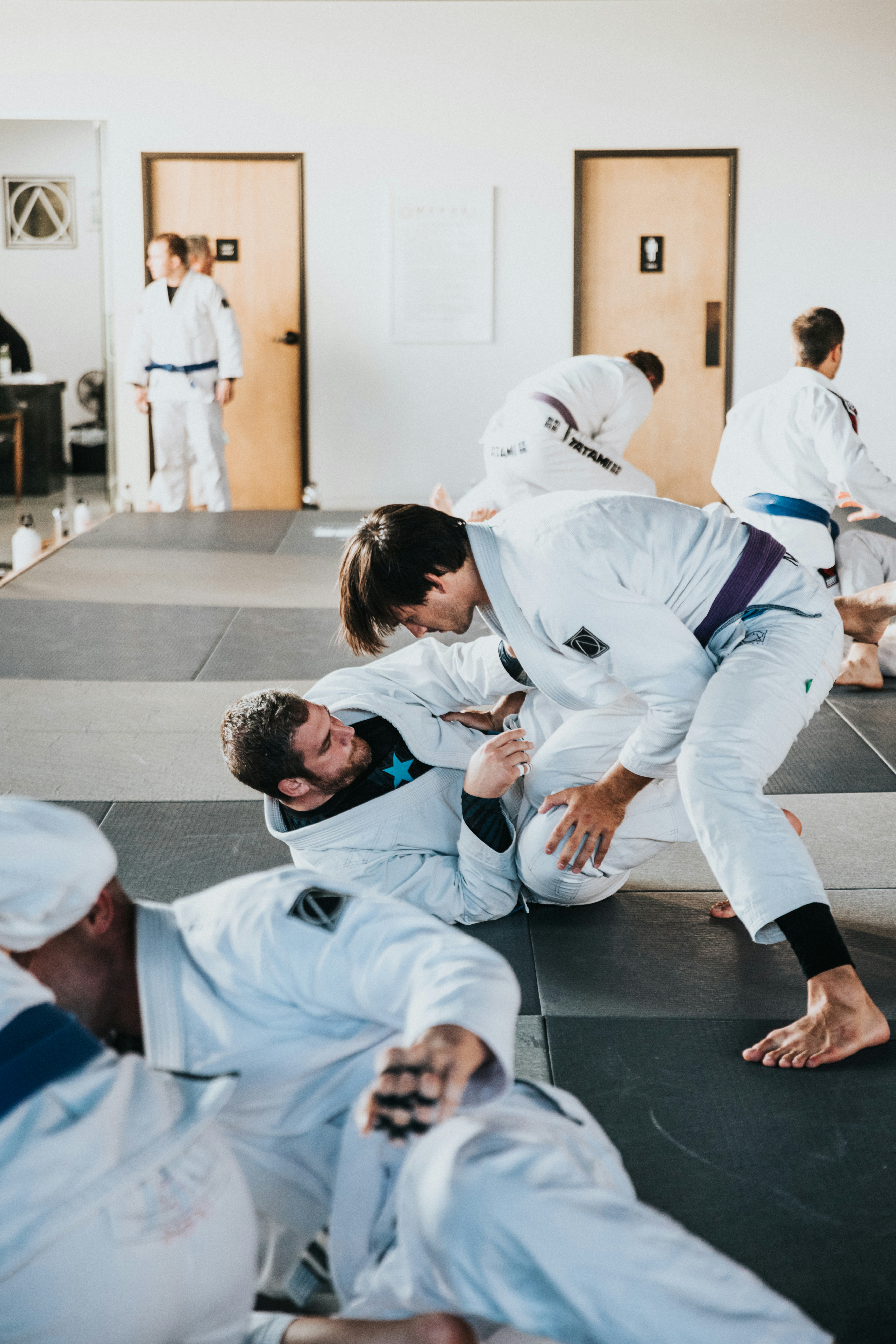
Ever wondered why judo, often overshadowed by flashier striking arts, remains a cornerstone of martial arts worldwide—and a secret weapon in MMA? At MMA Ninja™, we’ve trained with top judoka and MMA fighters alike, and we can tell you: judo is much more than just throws and pins. It’s a philosophy, a science, and a battle-tested system that has shaped legends like Ronda Rousey and Khabib Nurmagomedov.
In this comprehensive guide, we’ll unravel judo’s rich history, break down its core techniques, and reveal how its principles translate seamlessly into modern mixed martial arts. Curious about the most devastating judo throws in the cage? Or how the judogi uniform plays a strategic role beyond aesthetics? We’ve got you covered. Plus, discover the mental training secrets that make judoka resilient warriors on and off the mat.
Ready to elevate your martial arts game? Let’s dive into the gentle way that packs a powerful punch.
Key Takeaways
- Judo means “The Gentle Way”—a martial art focused on leverage, timing, and efficiency rather than brute strength.
- Mastering kuzushi (off-balancing) is the key to executing powerful throws that can end fights instantly.
- Judo’s influence on MMA is profound, with champions like Ronda Rousey showcasing its effectiveness in the cage.
- Safety and mutual respect are core values, making judo a sustainable and rewarding practice for all ages.
- The judogi is more than a uniform; it’s a tactical tool integral to grip fighting and technique execution.
- Rank progression reflects technical skill, competition success, and contribution to the art, emphasizing lifelong learning.
👉 Shop Judogi & Gear:
- Fuji Sports | Mizuno | Adidas
Explore Judogi Options on Amazon | Fuji Official Website | Mizuno Official
Must-Read Judo Books:
- Kodokan Judo by Jigoro Kano
- The Canon of Judo by Kyuzo Mifune
- Judo Unleashed by Neil Adams
Find These on Amazon
Table of Contents
- ⚡️ Quick Tips and Facts About Judo Martial Arts
- 🥋 The Roots and Evolution of Judo: History & Philosophy Unveiled
- 🔍 Understanding Judo Techniques: Mastering Judo Waza
- 🎓 The Art of Teaching Judo: Pedagogy and Training Methods
- 🏆 Competitive Judo: Rules, Tournaments & Winning Strategies
- 🥊 Judo in Mixed Martial Arts (MMA): The Secret Weapon
- 🌟 Alternative Styles and Derivative Martial Arts Inspired by Judo
- 🛡️ Safety First: Injury Prevention and Safe Practice in Judo
- 🧠 Mental Mastery: Psychological Training and Focus in Judo
- 👊 Meet the Judoka: The Life and Culture of Judo Practitioners
- 🥋 Judogi Uncovered: The Uniform, Gear, and What It Means
- 🌐 Judo Organizations: Governing Bodies and Global Influence
- 🎖️ Rank and Grading in Judo: From White Belt to Black Belt and Beyond
- 📅 World Judo Day: Celebrating the Spirit of Judo Worldwide
- 🎬 Judo in Film and Media: Iconic Movies and Documentaries
- 📚 Essential Reading: Bibliography and Recommended Judo Literature
- 🔗 Recommended Links: Top Resources for Judo Enthusiasts
- ❓ Frequently Asked Questions (FAQ) About Judo Martial Arts
- 📑 Reference Links: Credible Sources and Further Research
- 🏁 Conclusion: Wrapping Up Your Judo Journey
⚡️ Quick Tips and Facts About Judo Martial Arts
Welcome to the dojo, future judoka! Before we dive deep into the world of throws, pins, and the “gentle way,” let’s get you warmed up with some rapid-fire facts. Judo is more than just a sport; it’s a philosophy, a physical chess match, and one of the most effective grappling arts on the planet. We at MMA Ninja™ have spent countless hours on the mats, both in judogi and MMA gloves, and we can tell you firsthand: understanding judo gives you a massive advantage in any grappling situation. In fact, the principles of leverage in judo are a key reason why technique can overcome brute strength, a topic we explore deeply in our article on whether a woman fighter can beat a man fighter.
Think of this section as your cheat sheet to sounding like you know what you’re talking about at your first class.
| Fun Fact 🥋 | The Nitty-Gritty Details |
|---|---|
| Name Meaning | Judo (柔道) translates to “The Gentle Way”. This refers to the principle of using an opponent’s momentum against them, rather than meeting force with force. |
| The Founder | Jigoro Kano created Judo in 1882. He was a brilliant educator and polymath who synthesized techniques from older forms of jujutsu. |
| Olympic Status | Judo became an official men’s Olympic sport at the Tokyo 1964 Games. Women’s judo was added in Barcelona 1992. |
| Core Principle | “Seiryoku-Zenyo” (Maximum Efficiency, Minimum Effort). It’s all about being smart, not just strong. |
| Second Core Principle | “Jita-Kyoei” (Mutual Welfare and Benefit). The idea is that through practice, everyone in the dojo improves together. |
| The Uniform | It’s called a Judogi (柔道着), not a “karate outfit”! The thick lapels and reinforced fabric are designed to be grabbed and pulled. |
| The Goal | To score an Ippon (一本), which means “one full point.” This is an instant win, achieved by a clean throw, a 20-second pin, or a submission via choke or armlock. |
| MMA Connection | Judo is a foundational art for many MMA legends. Ever heard of a woman named Ronda Rousey? Her Olympic-level judo completely changed the game. |
🥋 The Roots and Evolution of Judo: History & Philosophy Unveiled
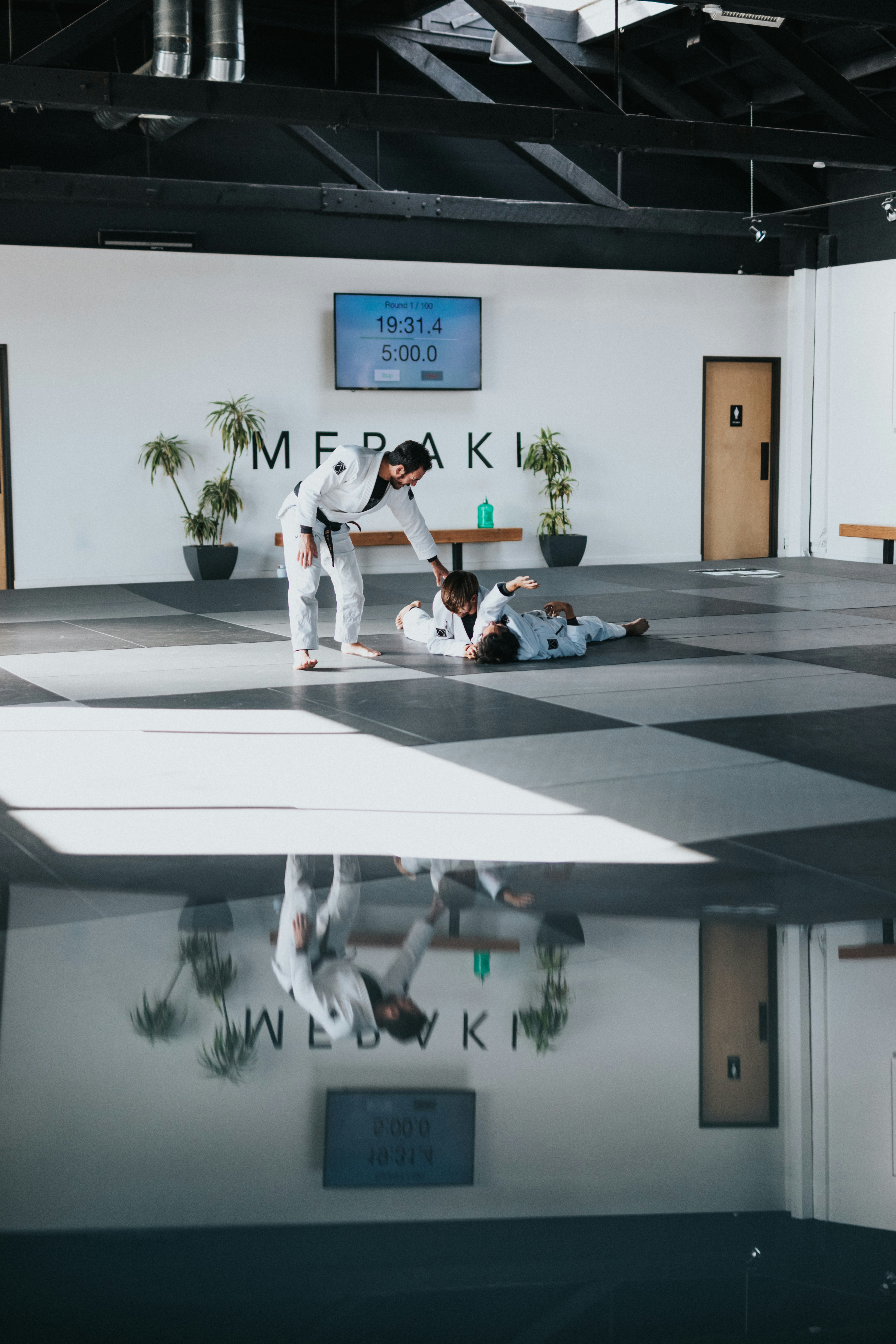
Every great story has a beginning, and judo’s is a tale of innovation, philosophy, and a little bit of getting pushed around. To truly appreciate the art, you have to understand where it came from. This isn’t just a boring history lesson; it’s the origin story of a martial arts revolution, a key chapter in our broader MMA History.
The Man, The Myth, The Legend: Jigoro Kano
Imagine a young man in late 19th-century Japan. He’s brainy but not brawny, and he’s tired of being bullied. That man was Jigoro Kano. Instead of just hitting the gym, Kano sought out the masters of jujutsu, the battlefield grappling art of the samurai.
But Kano wasn’t satisfied. He saw that many jujutsu schools were brutal, focused on “dirty” techniques, and often lacked a cohesive, scientific approach. He wanted something more. He envisioned an art that was not only effective for self-defense but also served as a form of physical and moral education—a dō (道), or a “way of life.”
So, he took what he felt were the most effective and safest techniques from various jujutsu schools, refined them, and organized them into a systematic method. In 1882, he opened his own school, the Kodokan (講道館), or “place for teaching the way.” Judo was born.
The Two Pillars of Judo Philosophy
Kano wasn’t just creating a new fight system; he was embedding a deep Mixed Martial Arts Philosophy into its DNA. This is what separates judo from a mere collection of techniques.
-
Seiryoku-Zenyo (精力善用): Maximum Efficiency, Minimum Effort
This is the secret sauce. It’s the idea of using the least amount of energy to achieve the greatest effect. Why try to lift a 250-pound opponent when you can use their own forward momentum to send them flying? It’s about timing, balance, and leverage. This principle is pure physics applied to combat. When you see a small judoka effortlessly throw a huge opponent, you’re witnessing Seiryoku-Zenyo in action. -
Jita-Kyoei (自他共栄): Mutual Welfare and Benefit
This one is a bit more profound. Kano believed that the ultimate goal of judo practice was to become a better person who contributes positively to society. In the dojo, this means you are responsible for your partner’s safety. You attack with full intent, but you practice control so no one gets hurt. Your training partner is not your enemy; they are your collaborator on the path to improvement. You can’t practice throws without someone to throw, and you can’t learn to fall without someone throwing you. It’s a beautiful symbiosis.
As the Wikipedia entry on Judo correctly states, Kano viewed judo not just as a sport but as a “principle of life, art and science.” This dual focus on physical prowess and moral development is what has allowed judo to flourish for over a century.
🔍 Understanding Judo Techniques: Mastering Judo Waza
Alright, let’s get to the fun stuff: how you actually send people flying through the air! Judo techniques, or Waza (技), are broadly divided into two main categories: throwing techniques (Nage-waza) and grappling techniques (Katame-waza). Forget what you’ve seen in movies where people just randomly flip each other. Judo is a science of off-balancing, positioning, and execution.
1. Nage-waza (Throwing Techniques)
This is the heart and soul of judo. The goal is to take an opponent from their feet to their back with force and control. But how? It all comes down to a three-step process:
- Kuzushi (崩し): Off-Balancing. This is the most important part. You can’t throw an opponent who is perfectly balanced. Kuzushi is the art of breaking their posture and stability, usually by pushing or pulling them in a specific direction. A master’s kuzushi is so subtle you don’t even realize you’re off-balance until you’re airborne.
- Tsukuri (作り): Fitting In. Once your opponent is off-balance, you have a split second to position your body correctly for the throw. This is the “entry.” For a hip throw, this means getting your hips lower than theirs. For a foot sweep, it means positioning your leg to reap theirs.
- Kake (掛け): Execution. This is the final act—the throw itself. If your Kuzushi and Tsukuri are correct, the Kake requires surprisingly little strength. It’s the culmination of the previous two steps.
Nage-waza itself is broken down further:
✅ Tachi-waza (Standing techniques): Throws performed from a standing position. These include hand techniques (Te-waza), hip techniques (Koshi-waza), and foot/leg techniques (Ashi-waza).
✅ Sutemi-waza (Sacrifice techniques): High-risk, high-reward throws where you intentionally drop your own body to the mat to throw your opponent. Think of the spectacular Tomoe Nage (circle throw) where you plant a foot in their stomach and roll backward.
2. Katame-waza (Grappling Techniques)
What happens when the throw doesn’t end the fight? You hit the mat, and that’s where Katame-waza takes over. This is the ground game, and it’s where judo’s influence on arts like Brazilian Jiu-Jitsu is most obvious.
- Osaekomi-waza (押込技): Holding/Pinning Techniques. The goal here is to pin your opponent’s back to the mat and maintain control for a set amount of time (20 seconds for an Ippon in competition). These aren’t just lazy holds; they are active, pressure-based positions that immobilize and exhaust your opponent. Think chest-to-chest pressure that makes it impossible to breathe.
3. Shime-waza and Kansetsu-waza (Chokes and Joint Locks)
These are the fight-enders on the ground.
- Shime-waza (絞技): Strangulation Techniques. These techniques apply pressure to the carotid arteries on the sides of the neck, cutting off blood flow to the brain and causing a temporary loss of consciousness if the opponent doesn’t “tap out” (submit). They are surprisingly gentle when applied correctly and are a staple of high-level grappling.
- Kansetsu-waza (関節技): Joint Techniques. In sport judo, these are almost exclusively limited to armlocks targeting the elbow joint (e.g., Juji-gatame). The goal is to hyperextend the joint, forcing a submission. These techniques require immense control and are forbidden against kids in competition for safety reasons.
Mastering these waza is a lifelong journey. Our best advice from our MMA Coaching experience is to fall in love with the process. Don’t just hunt for the spectacular throw; perfect your kuzushi. That’s the real secret.
🎓 The Art of Teaching Judo: Pedagogy and Training Methods
So, how do you go from a clumsy beginner who trips over their own feet to a graceful judoka? Through a time-tested teaching methodology that balances safety, theory, and live application. Judo pedagogy is brilliant because it allows you to practice a full-contact combat sport with remarkable safety.
The Holy Trinity of Judo Training
-
Ukemi (受け身): The Art of Falling
Before you learn to throw, you must learn to fall. This is non-negotiable. Ukemi, or break-falling, is the single most important skill for a beginner. You’ll spend your first few classes (and every class thereafter) practicing how to roll and slap the mat to disperse the impact of a fall. It builds confidence and, more importantly, keeps you from getting injured. I remember my first sensei telling me, “A black belt is just a white belt who never quit. And you can’t keep training if you’re broken.” He was right. -
Kata (形): The Forms
Kata are pre-arranged sequences of techniques performed with a partner. Think of them as a living textbook. They teach perfect form, timing, and the underlying principles of each movement without the chaos of a live fight. The Wikipedia article on Judo lists ten official Kodokan kata, with the Nage-no-Kata (Forms of Throwing) being one of the most fundamental. While some modern competitors neglect kata, we at MMA Ninja™ believe it’s essential for developing a deep, technical understanding of the art. -
Randori (乱取り): Free Practice (Sparring)
This is where the magic happens. Randori is the judo equivalent of sparring. It’s a live, unscripted “game” of judo where you try to apply your techniques against a resisting opponent. It’s not a fight to the death; it’s a cooperative effort to learn. The intensity can range from light and playful (Yakusoku geiko, or pre-arranged sparring) to full-on competition-level intensity.Randori is the laboratory where you test your hypotheses. Does your Osoto Gari (major outer reap) work against a taller opponent? Can you set up your Ippon Seoi Nage (one-arm shoulder throw) when your partner has a strong grip? This is where you find out. It’s the crucible that forges skill.
🏆 Competitive Judo: Rules, Tournaments & Winning Strategies
While judo is a “way of life,” it’s also a fiercely competitive Olympic sport. Stepping onto the competition mat is a whole different ball game. The pressure is on, the stakes are high, and victory is decided in a matter of minutes—or seconds.
The Road to Ippon: How to Win
The ultimate goal in a judo match is to score Ippon (one full point), which immediately ends the contest. It’s the judo equivalent of a knockout. You can achieve this glorious victory in three ways:
- A Perfect Throw: Executing a recognized judo throw that places your opponent largely on their back with considerable force and speed.
- A Dominant Pin: Holding your opponent in an Osaekomi-waza (pin) for 20 seconds.
- A Decisive Submission: Forcing your opponent to submit (tap out) with a Shime-waza (choke) or Kansetsu-waza (armlock).
If no Ippon is scored, the match can be won by Waza-ari (a half point). A Waza-ari is awarded for a throw that’s good but lacks one of the criteria for Ippon (e.g., they land on their side instead of their back) or for a pin held for 10-19 seconds. Previously, two Waza-aris combined to make an Ippon, but under current International Judo Federation (IJF) rules, that’s no longer the case. Now, one Waza-ari beats any number of lower scores, and the match continues.
If the time runs out and the score is tied, the match goes into Golden Score, a sudden-death overtime period where the first score of any kind wins.
The Penalty Box: Don’t Get a Shido!
You can also lose by accumulating penalties. A Shido (指導) is a minor penalty given for things like:
❌ Passivity (not attacking)
❌ Stepping out of the contest area
❌ Illegal grips (like grabbing the end of the sleeve or the trousers)
❌ Putting a hand or foot directly on the opponent’s face
Three Shidos result in Hansoku-make (反則負け), which is a disqualification. It’s the judo equivalent of fouling out.
Winning in competitive judo requires a blend of explosive athleticism, tactical grip fighting, and a deep understanding of the rules. It’s a high-speed chess match where one wrong move can lead to a flight you didn’t book.
🥊 Judo in Mixed Martial Arts (MMA): The Secret Weapon
“Judo is useless in a real fight without the gi.” Oh, if we had a dollar for every time we’ve heard that! Let us, the experts at MMA Ninja™, set the record straight: Judo is one of the most devastatingly effective bases for MMA.
Why? Because every single fight starts on the feet, and most MMA fighters are woefully unprepared for high-amplitude throws from the clinch. While wrestlers focus on leg takedowns, judoka are masters of upper-body combat. Check out our Fighter Profiles and you’ll see a common thread among many dominant grapplers.
Why Judo Throws Wreck People in the Cage
- The Clinch is King: In MMA, fighters inevitably end up in a clinch against the cage. A wrestler might look for a single leg, but a judoka sees a golden opportunity for a Harai Goshi (sweeping hip throw) or an Uchi Mata (inner thigh throw). These throws don’t just take you down; they slam you on your head.
- No-Gi Application: Yes, the gi helps, but the principles of kuzushi (off-balancing) are universal. A strong underhook or overhook in MMA serves the same purpose as a lapel grip. A judoka learns to feel an opponent’s weight and momentum, with or without a jacket.
- Positional Dominance: A well-executed judo throw often lands you directly in a dominant position like side control or Kesa-gatame (scarf hold), bypassing the chaotic scramble of a wrestling takedown. From there, it’s a short road to ground-and-pound or submission.
The Judoka Who Changed MMA
You can’t talk about judo in MMA without talking about the trailblazers.
“Rowdy” Ronda Rousey: An Olympic bronze medalist in judo, Ronda used her world-class hip throws to absolutely terrorize the UFC’s bantamweight division. Her opponents knew the throw was coming, but her kuzushi was so good they were powerless to stop it. She’d clinch, throw to side control, and immediately attack with her signature armbar. It was a terrifyingly efficient system.
Khabib Nurmagomedov: While known for his Sambo, Khabib’s style is heavily influenced by judo’s relentless forward pressure and upper-body takedowns. His use of trips and throws against the cage is a masterclass in applying judo principles to MMA.
The latest MMA Industry News continues to highlight the success of fighters with strong judo backgrounds. It’s a powerful reminder that the “gentle way” can be anything but gentle inside the octagon.
🌟 Alternative Styles and Derivative Martial Arts Inspired by Judo
Judo’s influence didn’t stop at the doors of the Kodokan. Its principles and techniques were so effective that they became the seed for several other major martial arts. Jigoro Kano’s creation was so robust that others could take its core concepts and adapt them to new environments and rule sets.
Brazilian Jiu-Jitsu (BJJ)
This is the most famous offshoot. The story goes that a Kodokan judo master named Mitsuyo Maeda traveled to Brazil in the early 20th century. He taught the art to the Gracie family, most notably Carlos and Hélio Gracie. Hélio, being smaller and frailer, adapted the techniques, focusing heavily on the ground-fighting aspect (Katame-waza) and leverage. The result was Brazilian Jiu-Jitsu, an art that refined judo’s groundwork to an incredible degree, emphasizing submissions from the guard position. While BJJ and Judo are distinct arts today, they are undeniably siblings, sharing a common ancestor.
Sambo (Самбо)
Developed in the Soviet Union in the early 1920s, Sambo is an acronym for SAMozashchita Bez Oruzhiya, which means “self-defense without weapons.” Its creators were tasked with synthesizing the most effective martial arts from around the world into a single system for the Red Army. They took the powerful throws from judo, incorporated wrestling techniques, and added leg locks (which are illegal in sport judo). The result is a brutally effective hybrid grappling art. Fighters like Fedor Emelianenko and Khabib Nurmagomedov have showcased its dominance on the world stage.
Kosen Judo (高專柔道)
This is less of a derivative and more of a specialized ruleset of judo that flourished in early 20th-century Japan, particularly among university teams. Kosen Judo rules allowed for a much greater emphasis on newaza (ground techniques), permitting competitors to pull their opponents directly into groundwork without first attempting a throw. This led to a massive development in submission and pinning techniques, and its style is often seen as a direct precursor to modern BJJ.
These arts, along with others like American Judo and various military combatives systems, all owe a huge debt to the foundational principles laid out by Jigoro Kano.
🛡️ Safety First: Injury Prevention and Safe Practice in Judo
Let’s be real: you’re learning to throw and be thrown onto a mat. Bumps, bruises, and the occasional tweak are part of the game. However, serious injuries in judo are surprisingly rare, thanks to a deeply ingrained culture of safety. The principle of Jita-Kyoei (mutual welfare) is paramount here.
Your Safety Checklist
- ✅ Master Your Ukemi (Breakfalls): We’re saying it again because it’s that important. Your ability to fall safely is your number one defense against injury. Don’t rush it. Practice it every single class.
- ✅ Tap Early, Tap Often: Your ego is your worst enemy. If you’re caught in a choke or an armlock, TAP. There is no shame in it. Tapping means you get to train again tomorrow. Waiting too long means a trip to the emergency room.
- ✅ Choose a Qualified Instructor: A good sensei will prioritize safety above all else. They will control the intensity of randori, correct dangerous habits, and ensure the dojo is a safe training environment. Look for instructors with certification from a national governing body like USA Judo.
- ✅ Know Your Limits: Are you tired? Is your knee feeling a little sore? It’s okay to sit out a round of randori. Overtraining and pushing through pain are the fastest ways to get a long-term injury.
- ❌ Don’t Resist Throws with a Stiff Arm: This is how elbows get hyper-extended. When you’re being thrown, it’s often safer to go with the throw and execute a good breakfall than to fight it at the last second.
- ❌ Avoid Illegal Techniques: In randori, stick to the rules. Don’t try to apply leg locks or neck cranks. These are not part of the sport and can cause serious harm to your training partners.
Common injuries often involve knees, shoulders, and fingers (from gripping the gi). Proper warm-ups, stretching, and listening to your body are your best tools for a long and healthy judo career.
🧠 Mental Mastery: Psychological Training and Focus in Judo
Judo is often called “physical chess,” and for good reason. The mental battle is just as important as the physical one. The psychological benefits of judo training are profound and extend far beyond the dojo, shaping your approach to challenges in all aspects of life. It’s a core part of the Mixed Martial Arts Philosophy we cherish.
Building a Judoka’s Mindset
- Resilience: You will get thrown. A lot. You will get pinned. You will get submitted. Every time you get up and face your partner again, you are building resilience. You learn to accept failure not as an endpoint, but as a data point—a lesson on what to do differently next time. This ability to bounce back from adversity is invaluable.
- Problem-Solving Under Pressure: Randori is a high-speed, high-stress puzzle. Your opponent has a grip; how do you break it? They’re pushing you; how do you use that momentum? You have seconds to assess the situation, formulate a plan, and execute it. This develops an incredible ability to remain calm and think clearly under duress.
- Discipline and Humility: Showing up to class on days you don’t feel like it builds discipline. Bowing to the mat, to your sensei, and to your training partners builds humility. It teaches you that there is always more to learn and to respect the process and the people who help you along the way.
- Mushin (無心): The Mind of No-Mind: This is a high-level concept from Zen that is very applicable to judo. It’s the state of being where your body acts without conscious thought. You’re not thinking, “Okay, now I will do an o-goshi.” You simply feel the opening and your body responds. This flow state is the goal of all high-level martial artists, and it’s achieved through thousands of hours of dedicated practice.
The focus required to learn a complex throw, the courage to face a tough opponent in randori, and the humility to tap out are all lessons that forge a stronger, more disciplined mind.
👊 Meet the Judoka: The Life and Culture of Judo Practitioners
A person who practices judo is called a judoka (柔道家). Being a judoka is more than just knowing some throws; it’s about embracing the culture and etiquette of the dojo. The dojo is a special place, a “dojo” being a “place of the way,” and it has its own set of rules and traditions that foster respect and a positive learning environment.
Dojo Etiquette 101
When you first walk into a judo dojo, you’ll notice a lot of bowing. This isn’t about subservience; it’s about respect.
- The Bow: You’ll bow when entering and leaving the mat, to show respect for the training space. You’ll bow to your sensei (teacher) and to your training partners before and after you practice with them. It’s a non-verbal “thank you for helping me learn.”
- Cleanliness: A clean dojo and a clean judogi are signs of respect for yourself, your partners, and your training. Personal hygiene is a must. No one wants to grapple with someone who hasn’t showered or has untrimmed nails.
- Punctuality: Being on time shows respect for your instructor and fellow students.
- Attitude: Leave your ego at the door. The dojo is for learning, not for proving how tough you are. Be helpful to lower-ranked students and be receptive to advice from higher-ranked ones.
The life of a dedicated judoka revolves around consistent training, self-improvement, and camaraderie. The bonds you form with the people you sweat and struggle with on the mats are incredibly strong. They are not your opponents; they are your partners in the shared journey of judo.
🥋 Judogi Uncovered: The Uniform, Gear, and What It Means
You can’t practice judo without the proper uniform, the Judogi (柔道着). And no, it’s not a “kimono” or a “karate gi.” The judogi is a specific piece of equipment, a tool of the trade designed for the unique rigors of grappling.
The judogi consists of three parts:
- Uwagi (上着): The heavy cotton jacket. It features thick, reinforced lapels and seams designed to withstand constant, powerful gripping and pulling.
- Zubon (ズボン): The pants. They are typically lighter than the jacket but have reinforced knee patches to handle groundwork.
- Obi (帯): The belt. The belt holds the jacket closed and, most importantly, signifies the rank of the judoka.
Why the Gi is So Important
The gi is not just a uniform; it’s an integral part of the art. The entire system of gripping (kumi kata) is based on it. Learning to use the gi to your advantage—to pull, push, choke, and control your opponent—is a fundamental judo skill.
In competition, the rules for the judogi are very strict. The IJF specifies the exact material weight, sleeve length, and fit to ensure fairness. One player is typically required to wear a white gi and the other a blue gi to make it easier for judges and spectators to distinguish between them.
Choosing Your First Judogi
When you’re starting out, you don’t need a top-of-the-line competition gi. A good single-weave gi will serve you well. As you advance, you might want to upgrade to a heavier double-weave gi, which is harder for opponents to grip.
Some of the most trusted brands in the judo world are:
- Mizuno: A Japanese brand, often considered the gold standard. Their gis are known for exceptional quality and durability.
- Fuji Sports: A very popular and respected brand founded by a judo Olympian. They offer excellent quality at a more accessible price point, making them a fantastic choice for beginners and pros alike.
- Adidas: A major player in the combat sports world, Adidas makes high-quality, IJF-approved gis that are popular in international competition.
👉 Shop for your Judogi on:
- Fuji Sports: Amazon | Fuji Official Website
- Mizuno Judo: Amazon | Mizuno Official Website
- Adidas Judo: Amazon | Adidas Combat Sports
🌐 Judo Organizations: Governing Bodies and Global Influence
Judo’s worldwide popularity and status as an Olympic sport are managed by a network of organizations that set rules, sanction tournaments, and promote the art. Understanding who’s in charge helps you understand the landscape of competitive judo.
The Big Three
- The Kodokan Judo Institute: This is the mothership. Founded by Jigoro Kano in 1882, the Kodokan is the headquarters of the main branch of judo. While it doesn’t govern international competition, its authority on technique, kata, and rank is globally respected. A black belt from the Kodokan carries immense prestige.
- International Judo Federation (IJF): Established in 1951, the IJF is the global governing body for sport judo. It sets the competition rules, manages the world ranking system, and organizes the most prestigious events, including the World Judo Championships and the Olympic judo tournament. If you’re watching judo on TV, you’re watching IJF-rules judo.
- National Governing Bodies (NGBs): Each country has its own NGB that is affiliated with the IJF. In the United States, the main organization is USA Judo. In the UK, it’s the British Judo Association. These organizations manage national teams, sanction local tournaments, and handle rank promotions within their respective countries.
These organizations work together to ensure that judo is practiced safely and fairly around the world, from the local dojo all the way to the Olympic podium.
🎖️ Rank and Grading in Judo: From White Belt to Black Belt and Beyond
The colored belt system is one of judo’s most famous contributions to the martial arts world. Before Jigoro Kano, most martial arts didn’t have a formal ranking system like this. Kano, an educator, wanted a way to visually represent a student’s progress.
The system is divided into two main categories:
- Kyu (級) Grades: These are the student ranks, starting from white belt and progressing through various colors. The color progression can vary slightly from country to country, but a common sequence in the West is: White -> Yellow -> Orange -> Green -> Blue -> Purple -> Brown.
- Dan (段) Grades: These are the black belt ranks. Achieving the rank of Shodan (1st degree black belt) is a major milestone. It doesn’t mean you’ve mastered judo; it means you’ve mastered the fundamentals and are now ready to truly begin your study.
The Journey to Black Belt
Earning a black belt in judo is a serious commitment. It typically takes several years of consistent, dedicated training (often 5-10 years for adults). Promotion isn’t just about winning matches. A judoka is assessed on:
- Technical Knowledge: Demonstrating proficiency in a wide range of throws, pins, and submissions. This often includes performing a kata.
- Competitive Skill: Success in randori and official tournaments is often a requirement.
- Contribution to Judo: For higher dan grades, factors like teaching, coaching, or refereeing come into play. It’s about giving back to the art.
The dan ranks go from 1st to 10th. The 6th-8th dan ranks are signified by a red and white paneled belt, and the 9th and 10th dan by a solid red belt. These higher ranks are reserved for individuals who have dedicated their entire lives to judo and made significant contributions to its development. There have only been a handful of judoka ever promoted to 10th dan by the Kodokan, a testament to the rank’s incredible prestige.
📅 World Judo Day: Celebrating the Spirit of Judo Worldwide
Yes, judo has its own holiday! World Judo Day is celebrated every year on October 28th, the birthday of judo’s founder, Jigoro Kano.
Established by the International Judo Federation in 2011, this day isn’t just about celebrating competition wins. It’s about promoting the values and spirit of judo. Each year, the IJF announces a theme, such as “Friendship,” “Respect,” or “Courage,” and judo clubs around the globe hold special events, seminars, and demonstrations to celebrate.
It’s a fantastic initiative that connects the global judo community and reminds everyone that the lessons of judo—discipline, respect, and mutual welfare—are more important than ever. It’s a day to honor the legacy of Kano and the positive impact his art has had on millions of lives. So, mark your calendar and find a local dojo event to join in the celebration!
🎬 Judo in Film and Media: Iconic Movies and Documentaries
Judo’s dynamic throws and dramatic history have made it a natural fit for the big screen. While it might not have the high-flying kicks of kung fu cinema, judo’s cinematic appearances are often grounded in a powerful sense of realism and philosophy.
Must-Watch Judo Flicks
- Sanshiro Sugata (姿三四郎, 1943): This is the granddaddy of all judo movies. It was the directorial debut of the legendary Akira Kurosawa. The film tells a fictionalized story of the rivalry between the new art of judo and the old schools of jujutsu in late 19th-century Japan. It’s a beautiful, dramatic film that captures the philosophical struggle at the heart of judo’s creation.
- John Wick Franchise (2014-Present): Okay, hear us out! While not a “judo movie,” the fight choreography in the John Wick series is heavily influenced by judo and jiu-jitsu. Keanu Reeves’ character constantly uses judo throws like Ippon Seoi Nage and Harai Goshi in close quarters, often blending them seamlessly with gunplay. It’s a fantastic example of how judo’s principles of leverage and control can be applied in a modern action context.
- The Gentle Way (Documentary): There are several documentaries that explore the world of judo. Finding one that follows an Olympic hopeful, like the story of Kayla Harrison or Travis Stevens, can provide an incredible, behind-the-scenes look at the dedication and sacrifice required to compete at the highest level.
These films and documentaries offer a great way to get inspired and see the art in action, from its philosophical roots to its modern, high-impact applications.
📚 Essential Reading: Bibliography and Recommended Judo Literature
To truly deepen your understanding of judo, you need to hit the books. The words of the masters provide insights that you can’t always get from practice alone. Here are a few essential texts that belong on every serious judoka’s bookshelf.
- Kodokan Judo: The Essential Guide to Judo by Its Founder Jigoro Kano by Jigoro Kano. This is the bible. Written by the founder himself, it lays out the history, philosophy, and techniques of his art. It’s the primary source document for all things judo.
- The Canon of Judo: Classic Teachings on Principles and Techniques by Kyuzo Mifune. Mifune was a 10th dan and one of the greatest technicians in the history of judo. This book is a masterpiece of technical detail, filled with photos and explanations of throws and groundwork. It’s a book you’ll study for a lifetime.
- Judo Unleashed: Essential Throwing & Grappling Techniques for Intermediate to Advanced Judoka by Neil Adams. Neil Adams is a British two-time Olympic silver medalist and a world-renowned coach. His books are fantastic for competitors, breaking down techniques with a modern, sport-oriented perspective.
Reading these books will give you a new appreciation for the depth and complexity of the art you’re practicing.
🔗 Recommended Links: Top Resources for Judo Enthusiasts
The internet is a treasure trove of judo knowledge if you know where to look. Here are some of our go-to resources for high-quality judo content.
- International Judo Federation (IJF) Official Website: The source for official rules, tournament schedules, and live streams of major events like the World Championships.
- JudoInside.com: An incredible database of judo competitors, results, and statistics. If you want to know who won the 1988 Olympic final at -71kg, this is the place to find out.
- The Kodokan Judo Institute Official Website: The official site of judo’s headquarters. A great resource for the history, philosophy, and traditional techniques of the art.
- Superstar Judo (Subscription Service): An online coaching platform run by some of the best judoka in the world, including Neil Adams and Kosei Inoue. It’s a paid service, but the quality of instruction is unparalleled.
- r/judo on Reddit: A vibrant online community for discussing techniques, asking questions, and sharing news. A great place to connect with other judoka.
❓ Frequently Asked Questions (FAQ) About Judo Martial Arts
We get a lot of questions about judo. Here are the answers to some of the most common ones.
Is judo effective for self-defense?
Absolutely. Judo teaches you how to control and throw a resisting opponent, skills that are invaluable in a self-defense situation. It also teaches you how to fall safely, which can protect you from injury if you’re knocked or pushed to the ground.
Read more about “Can a Woman Fighter Beat a Man Fighter? 7 Surprising Truths (2025) 🥋”
Am I too old to start judo?
No! While the champions are young, judo can be practiced at any age. Many dojos have beginner classes specifically for adults. The key is to find a good instructor, listen to your body, and progress at your own pace. The low-impact groundwork and emphasis on technique make it a sustainable lifelong activity.
What’s the difference between Judo and Brazilian Jiu-Jitsu (BJJ)?
Think of them as cousins. Judo’s primary focus is on the throw (getting the fight to the ground), with groundwork as a secondary component. BJJ’s primary focus is on the groundwork (what happens once the fight is on the ground), with takedowns as a secondary component. They are highly complementary arts.
How long does it take to get a black belt in judo?
There’s no shortcut. For a dedicated adult, it typically takes anywhere from 5 to 10 years of consistent training. It’s a marathon, not a sprint.
Is judo a good workout?
It’s a fantastic workout. A typical judo class involves a vigorous warm-up, drilling techniques, and several rounds of live sparring (randori). It’s a full-body workout that builds functional strength, cardiovascular endurance, and flexibility. You’ll be exhausted, but you’ll love it.
📑 Reference Links: Credible Sources and Further Research
For this article, we consulted a variety of high-authority sources to ensure accuracy and depth. We encourage you to explore them for further reading.
- Wikipedia – “Judo”: A comprehensive and well-sourced overview of the history, techniques, and culture of judo. https://en.wikipedia.org/wiki/Judo
- International Judo Federation (IJF): The official governing body for international sport judo. The best source for current rules and regulations. https://www.ijf.org/
- Kodokan Judo Institute: The historical home of judo, founded by Jigoro Kano. An essential resource for the philosophy and traditional aspects of the art. http://www.kodokanjudoinstitute.org/en/docs/7.%E6%80%A5%E9%80%9F%E6%B8%9B%E9%87%8F%E3%81%8C%E5%8F%8A%E3%81%BC%E3%81%99%E6%9F%94%E9%81%93%E9%81%B8%E6%89%8B%E3%81%AE%E6%A0%84%E9%A4%8A%E7%8A%B6%E6%85%8B%E3%81%8A%E3%82%88%E3%81%B3%E9%A3%9F%E8%A1%8C%E5%8B%95%E3%81%AE%E5%A4%89%E5%8C%96.pdf
- Olympics.com – “Judo”: The official page for judo at the Olympic Games, with history, rules, and athlete information. https://www.olympics.com/en/news/2025-fisu-world-university-games-rhine-ruhr-all-final-results-medallists-full-list
- USA Judo: The National Governing Body for judo in the United States. https://www.usajudo.com/
🏁 Conclusion: Wrapping Up Your Judo Journey
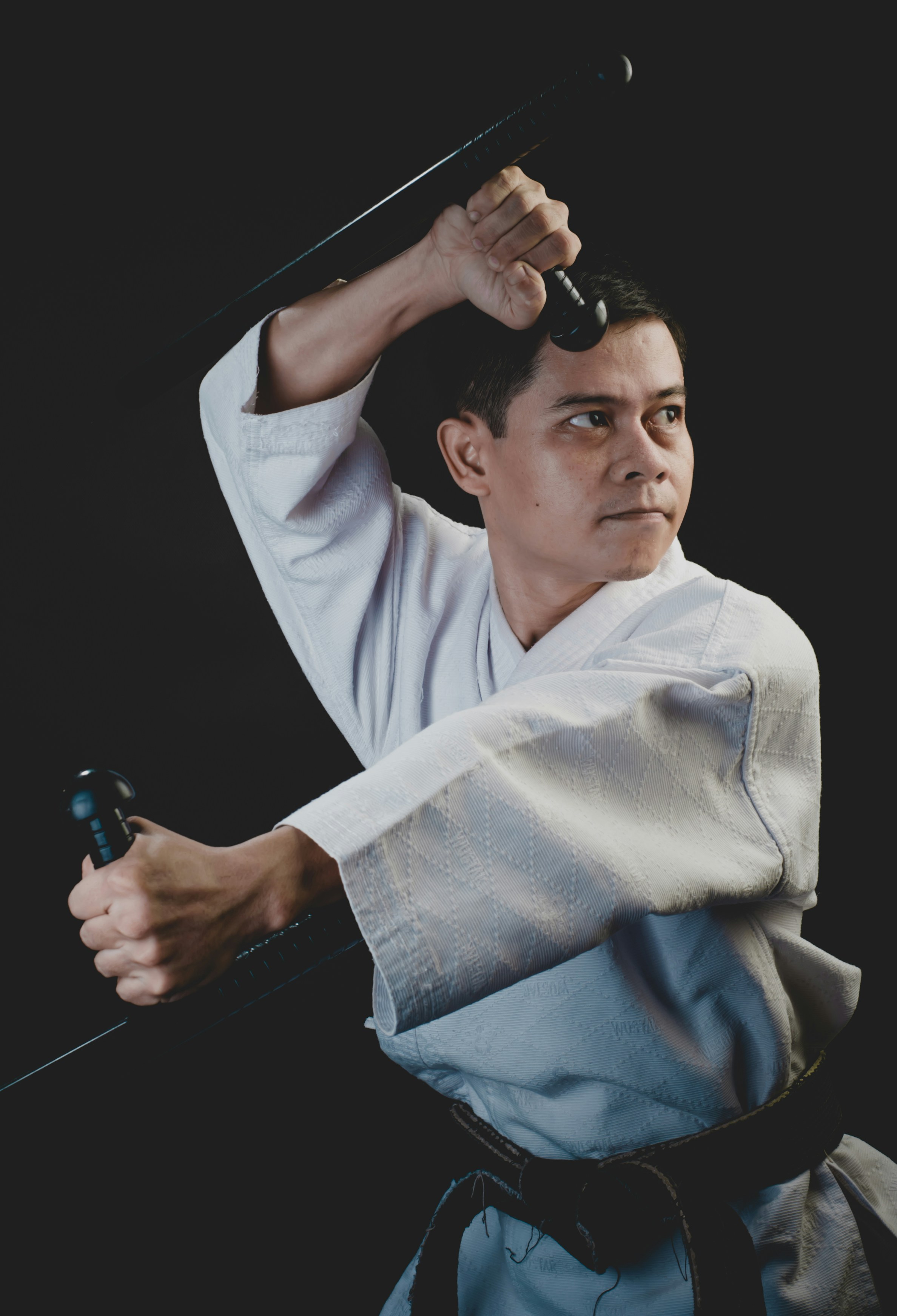
So, what have we uncovered on this deep dive into the world of judo martial arts? From its humble beginnings with Jigoro Kano’s vision of “The Gentle Way,” to its explosive application in modern MMA, judo stands tall as a martial art that blends philosophy, technique, and athleticism like no other. Whether you’re a beginner stepping onto the mat for the first time or an MMA fighter looking to sharpen your clinch and takedown game, judo offers timeless lessons in leverage, timing, and mental toughness.
We addressed the common myth that judo is only effective with a gi — spoiler alert: it’s not! The principles of off-balancing and body control translate beautifully into no-gi scenarios, making judo a secret weapon inside the cage. Plus, its emphasis on safety and mutual respect means you can train hard without wrecking your body.
If you’re wondering whether to start judo or add it to your MMA training, our answer is a resounding YES. It’s a fantastic foundation for self-defense, competition, and personal growth. And if you’re worried about the time it takes to earn a black belt, remember Kano’s wisdom: judo is a lifelong journey, not a destination.
Now that you know the history, techniques, culture, and competitive landscape, the only question left is: When will you step onto the mat?
🔗 Recommended Links: Top Resources and Shopping for Judo Gear & Literature
Ready to gear up or dive deeper? Here are some of our favorite trusted brands and essential reading to get you started or to level up your judo game.
Judogi & Gear Shopping
-
Fuji Sports Judogi:
Amazon | Fuji Official Website -
Mizuno Judo Gi:
Amazon | Mizuno Official Website -
Adidas Judo Gi:
Amazon | Adidas Combat Sports
Essential Judo Literature
-
Kodokan Judo: The Essential Guide to Judo by Its Founder Jigoro Kano
Amazon -
The Canon of Judo: Classic Teachings on Principles and Techniques by Kyuzo Mifune
Amazon -
Judo Unleashed: Essential Throwing & Grappling Techniques for Intermediate to Advanced Judoka by Neil Adams
Amazon
❓ Frequently Asked Questions (FAQ) About Judo Martial Arts
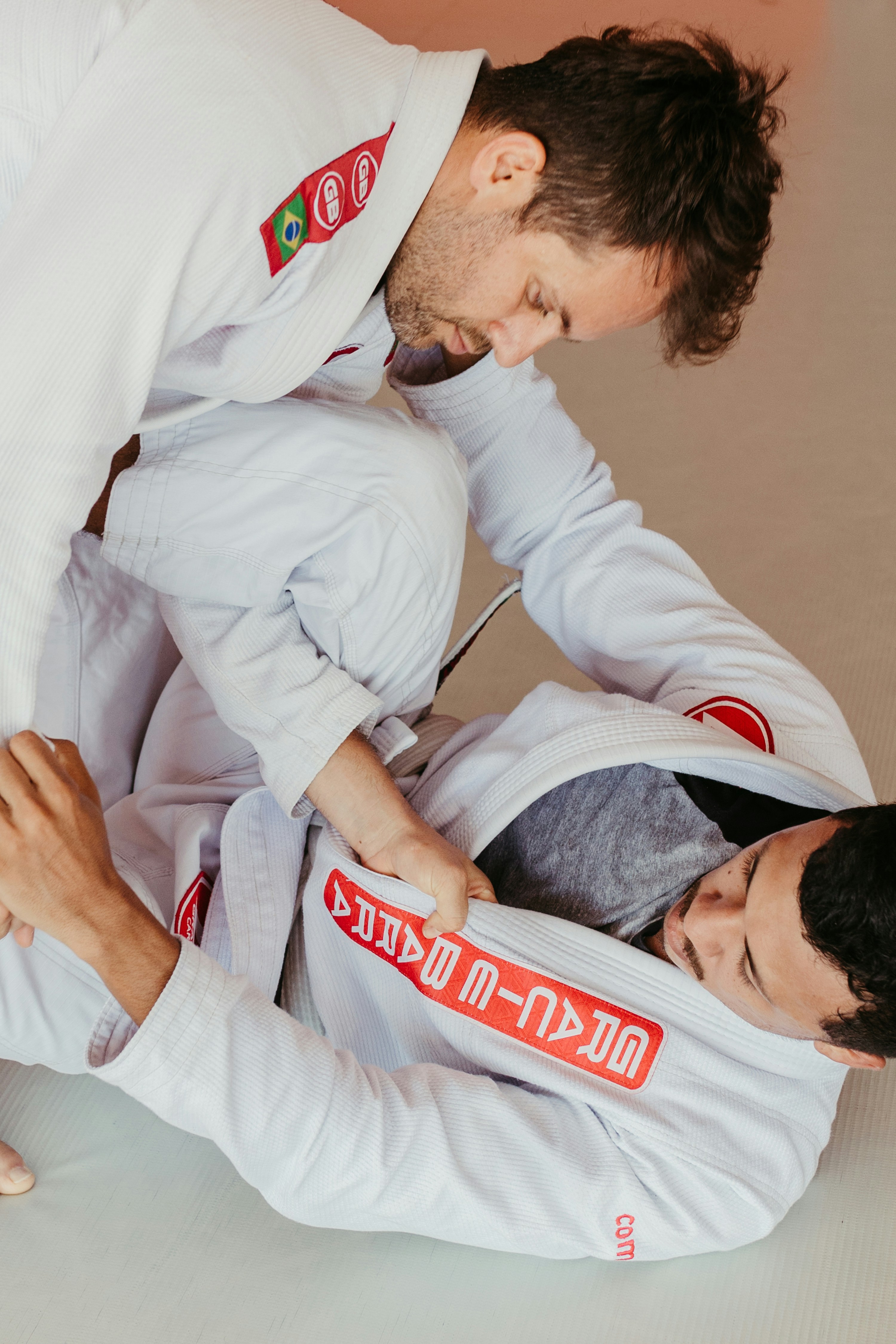
What are the basic techniques in judo martial arts that can be applied to mixed martial arts?
Judo’s core techniques that translate well into MMA include throws (nage-waza) such as O Goshi (hip throw), Uchi Mata (inner thigh throw), and Harai Goshi (sweeping hip throw). These throws allow fighters to control and take down opponents efficiently, especially in clinch situations against the cage. On the ground, pins (osaekomi-waza) and submissions like armlocks (kansetsu-waza) and chokes (shime-waza) are highly effective. The emphasis on off-balancing (kuzushi) and grip fighting also gives judoka an edge in controlling opponents before executing takedowns.
How does judo training improve overall physical fitness and mental discipline for MMA fighters?
Physically, judo develops explosive power, balance, flexibility, and cardiovascular endurance through dynamic throws and continuous randori (sparring). The repetitive drilling of techniques builds muscle memory and functional strength. Mentally, judo cultivates resilience, strategic thinking, and emotional control. The mental toughness gained from facing repeated throws and submissions teaches fighters to stay calm under pressure and adapt quickly—skills essential in MMA competition.
What are the most effective judo throws and takedowns that can be used in a mixed martial arts competition?
The most effective throws in MMA derived from judo include:
- Uchi Mata (Inner Thigh Throw): Excellent for off-balancing opponents in close quarters.
- Harai Goshi (Sweeping Hip Throw): Uses hip leverage to sweep an opponent’s legs.
- O Goshi (Major Hip Throw): A classic hip throw that transitions smoothly into dominant ground positions.
- Seoi Nage (Shoulder Throw): Quick and explosive, ideal for sudden takedowns.
- Tai Otoshi (Body Drop): A fast, off-balancing throw that can surprise opponents.
These throws often land the fighter in advantageous positions like side control or mount, allowing immediate ground-and-pound or submissions.
Can judo martial arts training be beneficial for self-defense and is it a good starting point for beginners in mixed martial arts?
Absolutely! Judo teaches effective control techniques, balance disruption, and safe falling methods, which are critical in self-defense scenarios. Its focus on using an attacker’s force against them makes it practical for real-world confrontations. For beginners in MMA, judo provides a solid foundation in clinch work and takedowns, complementing striking arts. Its structured progression and emphasis on safety make it an excellent starting point for martial arts newcomers.
Additional FAQs
How does judo compare to wrestling in MMA?
While wrestling emphasizes leg attacks and control from the top, judo focuses more on upper-body grips and throws. Judo throws often generate more explosive, high-amplitude takedowns, which can be fight-ending. Both arts complement each other well in MMA.
Is it necessary to wear a gi to practice judo effectively?
Traditional judo is practiced with a gi, as many techniques rely on gripping the jacket. However, many judoka cross-train in no-gi grappling and MMA, adapting judo principles without the gi. The core concepts of balance and leverage remain effective regardless.
What role does kata play in modern judo training?
Kata are formalized sequences that preserve traditional techniques and principles. While less emphasized in sport judo, kata training enhances technical precision, timing, and understanding of judo’s philosophical roots.
📑 Reference Links: Credible Sources and Further Research
- Wikipedia – Judo
- International Judo Federation (IJF)
- Kodokan Judo Institute
- Olympics.com – Judo
- USA Judo
- Fuji Sports Official Website
- Mizuno Official Website
- Adidas Combat Sports
- Why are Taekwondo and Judo the only forms of Eastern martial arts in the Olympics? – Quora
Thank you for joining us on this journey through the fascinating world of judo martial arts. Whether you’re stepping onto the mat for the first time or looking to sharpen your MMA skills, judo offers a rich blend of tradition, technique, and effectiveness that’s hard to beat. Ready to throw down? We thought so! 🥋🔥